
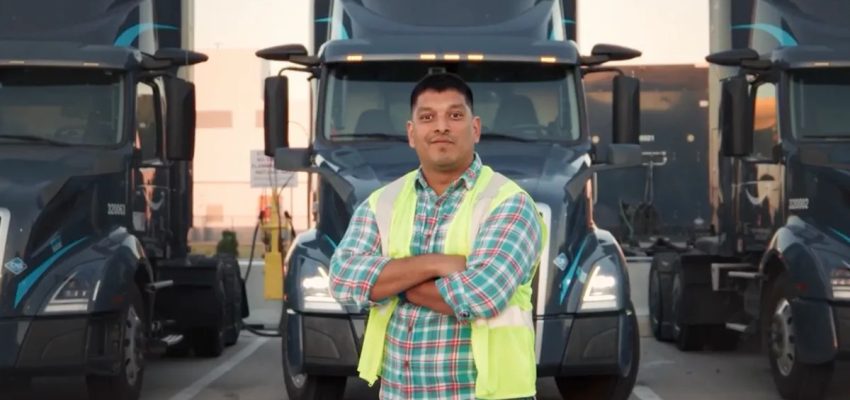

The digital age has fundamentally reshaped consumer expectations, ushering in an era where instant gratification and seamless delivery are the norm. This relentless surge in e-commerce, while undeniably convenient for consumers, has placed immense pressure on the global transportation industry. Traditional logistics models have often struggled to keep pace, grappling with issues ranging from driver shortages to infrastructure strain. In this dynamic landscape, innovation is not just an advantage; it’s a necessity. Enter Amazon, a company synonymous with disrupting industries through technology and strategic vision. Recognizing a critical gap in its ‘middle-mile’ logistics—the movement of goods between fulfillment centers and delivery stations—Amazon engineered a groundbreaking solution: the Amazon Freight Partners program. This initiative isn’t merely about moving packages; it’s about redefining career paths, empowering entrepreneurs, and integrating advanced operational strategies into the very fabric of freight transportation. As an AI specialist and tech enthusiast, I find Amazon’s approach fascinating, embodying a blend of human enterprise and sophisticated logistical engineering.
The program emerged as a direct response to a burgeoning demand that traditional freight carriers were increasingly finding challenging to meet. E-commerce grew by an astounding 16.1% globally in 2023, with projections continuing an upward trajectory. This exponential growth translates into billions of packages needing to be moved efficiently and reliably, a task that underscores the vital role of the trucking industry. However, the industry has long faced a looming crisis: a severe shortage of qualified CDL-A drivers, coupled with an aging workforce and concerns over working conditions. Amazon, understanding that its continued success hinges on a robust and scalable logistics network, sought to build a more resilient and attractive ecosystem for both aspiring business owners and experienced drivers. The Amazon Freight Partners program stands as a testament to Amazon’s commitment not only to operational excellence but also to fostering entrepreneurial spirit within its expansive supply chain.
Amazon Freight Partners: A Strategic Leap in Logistics
The concept of the ‘middle mile’ in logistics is often overlooked but incredibly crucial. It’s the connective tissue between the initial sorting and the final doorstep delivery—a complex network of routes and transfers that ensures packages move efficiently across vast geographical areas. As Amazon’s operational footprint expanded globally, the need for a highly optimized, reliable, and scalable middle-mile solution became paramount. This isn’t just about owning trucks; it’s about owning the entire operational framework that supports their movement. The traditional reliance on third-party carriers, while functional, lacked the integrated control and real-time adaptability that Amazon’s scale demanded. The company recognized that to truly master its logistics, it needed to cultivate a dedicated fleet that aligned perfectly with its rigorous service standards and technological infrastructure.
The Amazon Freight Partners program addresses this by offering a unique proposition: it allows individuals to launch their own independent trucking businesses, operating exclusively within Amazon’s middle-mile network. This isn’t a franchising model in the traditional sense, but rather a partnership where Amazon provides a consistent volume of freight, access to its advanced technology and planning tools, and comprehensive support to help partners succeed. This includes assistance with vehicle acquisition, insurance, and even business coaching. For Amazon, this translates into a more dedicated and integrated fleet, better able to meet fluctuating demands, optimize routes, and maintain the stringent performance metrics the company is known for. For the partners, it means a stable stream of work from one of the world’s largest companies, significantly reducing the risks often associated with starting a new transportation venture. It’s a symbiotic relationship designed to enhance efficiency and reliability across Amazon’s vast supply chain, directly contributing to the seamless delivery experience customers expect.
Empowering Entrepreneurs and Professional Drivers
One of the most compelling aspects of the Amazon Freight Partners program is its dual focus on empowerment. It’s designed to appeal to two distinct yet equally vital groups: visionary entrepreneurs aspiring to build their own businesses, and seasoned CDL-A drivers seeking to advance their careers beyond the traditional confines of trucking. For the entrepreneur, the program offers a compelling entry point into the highly competitive logistics industry with a significant advantage: a ready-made client. Amazon provides comprehensive training, technology integration, and operational support, effectively lowering the barrier to entry for aspiring business owners. Partners are equipped with modern Amazon-branded trailers and receive consistent freight volume, which is a game-changer in an industry often characterized by volatile demand. They learn how to manage a fleet, optimize routes, handle finances, and lead a team of drivers, transforming them from individuals with a vision into robust business operators.
For the professional CDL-A driver, the program offers a distinct evolution of their career. Many traditional trucking jobs involve long hauls, extended periods away from home, and variable schedules. Working for an Amazon Freight Partners company often means more predictable routes, consistent work, and the opportunity to operate modern, well-maintained equipment. These companies typically offer competitive compensation, benefits, and a structured work environment that can significantly improve a driver’s quality of life. Furthermore, for ambitious drivers, joining an AFP company isn’t just a job; it’s a potential pathway to growth. They can gain experience in a technologically advanced logistics ecosystem, potentially moving into leadership roles, becoming trainers, or even aspiring to become AFP owners themselves. This redefined career trajectory not only addresses the industry’s driver shortage by making the profession more attractive but also fosters a new generation of skilled and motivated logistics professionals. It’s a deliberate effort by Amazon to professionalize and stabilize a sector that has historically faced significant challenges in recruitment and retention, offering a compelling alternative to traditional owner-operator or direct employment models.
The Tech-Driven Evolution of Transportation Logistics
While the Amazon Freight Partners program focuses on human enterprise, its underlying success is inextricably linked to Amazon’s unparalleled prowess in technology and artificial intelligence. As an AI specialist, I see this as a prime example of how intelligent systems can augment human capabilities and revolutionize traditional industries. Amazon’s logistics network, one of the most sophisticated in the world, is powered by a complex web of algorithms, data analytics, and machine learning models that work tirelessly behind the scenes. These technologies are the silent architects of efficiency, enabling AFP businesses to thrive in a competitive environment.
Consider the role of route optimization. Traditional route planning can be a manual, time-consuming process. However, Amazon leverages AI to analyze vast datasets—traffic patterns, weather conditions, delivery deadlines, vehicle capacities, and even real-time road closures—to generate the most efficient and cost-effective routes for AFP trucks. This not only saves fuel and time but also reduces emissions, contributing to sustainability efforts. Predictive analytics plays another crucial role, forecasting demand for freight based on historical data, sales trends, and even external factors like holidays or promotional events. This allows Amazon to allocate freight volume to its partners strategically, ensuring consistent work and minimizing idle time for trucks and drivers. This foresight is invaluable for AFP businesses, enabling them to plan staffing and fleet utilization more effectively.
Furthermore, IoT (Internet of Things) devices integrated into trucks provide real-time data on vehicle performance, driver behavior, and cargo status. This data feeds back into Amazon’s analytical systems, allowing for proactive maintenance scheduling, improved safety protocols, and enhanced operational visibility. AI-powered fleet management systems monitor everything from fuel consumption to tire pressure, ensuring that the vehicles operated by Amazon Freight Partners are always in optimal condition, reducing breakdowns and improving overall reliability. Even the scheduling of drivers and the management of their hours-of-service regulations are likely streamlined through intelligent systems, ensuring compliance and promoting driver well-being.
This integration of advanced technology isn’t just about making operations smoother; it’s about creating a fundamentally smarter logistics ecosystem. It transforms what was once a purely manual, experience-driven industry into a data-driven, optimized, and highly responsive network. For the entrepreneurs and drivers participating in the Amazon Freight Partners program, this means operating at the cutting edge of logistics, benefiting from efficiencies and insights that would be unattainable for independent operators without Amazon’s technological backing. It underscores a broader trend in supply chain management: the future isn’t just about moving goods; it’s about intelligently orchestrating their movement through a seamless blend of human effort and artificial intelligence.
The emergence of the Amazon Freight Partners program is more than just a logistical expansion; it represents a significant paradigm shift in how the transportation industry addresses its most pressing challenges. By fostering entrepreneurship and offering a compelling career path for CDL-A drivers, Amazon is not only bolstering its own extensive supply chain but also injecting vitality and innovation into a sector ripe for modernization. It’s a testament to the power of a strategic vision that looks beyond immediate needs to create sustainable, mutually beneficial ecosystems.
As e-commerce continues its relentless growth, the demand for efficient and reliable freight transportation will only intensify. Programs like Amazon Freight Partners demonstrate how large corporations, when leveraging their technological prowess and operational scale, can forge new models that benefit multiple stakeholders. This innovative approach offers a glimpse into the future of logistics—a future where human ingenuity is amplified by artificial intelligence, where entrepreneurship thrives on robust support systems, and where the movement of goods is as fluid and dynamic as the digital economy it serves. It’s a powerful example of how purposeful innovation can redefine industries, one partnership and one package at a time.










