

The journey of motherhood is inherently challenging, a complex tapestry woven with boundless love, unwavering dedication, and often, significant sacrifice. For single mothers, this journey is frequently compounded by additional layers of economic hardship, time scarcity, and societal pressures. Yet, within these formidable challenges lies an immense reservoir of resilience and ambition. It is precisely this spirit that programs designed to support and uplift single mothers tap into, creating pathways to education, career advancement, and a future brimming with possibility.
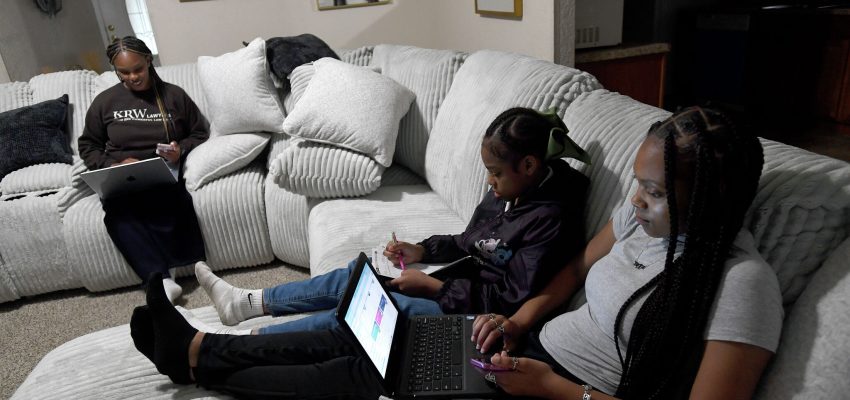
Consider Bryslyn Johnson, a beacon of determination whose story echoes the quiet struggles and profound triumphs of countless single mothers worldwide. Finishing her degree, she’s not merely acquiring qualifications for a new career; she’s meticulously crafting a legacy, one of inspiration and aspiration, for her daughters. Her journey, significantly bolstered by the support of initiatives like Single Moms EmpowerED, underscores a vital truth: investing in single mothers is not just an act of charity, but a strategic investment in the fabric of society itself. This article delves into the critical role of such empowerment programs, exploring how they dismantle barriers, foster growth, and ignite a ripple effect of positive change that extends far beyond the individual.
### Empowering Single Mothers: Breaking Barriers and Building Futures
The narrative of the single mother often focuses on deficits rather than strengths. Globally, single-parent households, predominantly led by women, face disproportionately higher rates of poverty. In the United States, for instance, single-mother families are nearly five times more likely to live in poverty than married-couple families, according to data from the U.S. Census Bureau. This stark reality is a confluence of factors: the gender pay gap, the high cost of childcare, limited access to affordable higher education, and systemic biases in hiring and workplace flexibility. These intertwined challenges create a formidable barrier, making the pursuit of education or a stable, well-paying career seem like an insurmountable task.
This is where the transformative power of initiatives specifically designed for **Empowering Single Mothers** comes into sharp focus. Programs like Single Moms EmpowerED provide a holistic ecosystem of support that addresses not just financial needs, but also the academic, emotional, and logistical hurdles unique to single parenthood. They understand that a mother cannot focus on her studies if she’s worried about who will care for her children, or how she will afford textbooks and tuition. By offering a multi-pronged approach, these programs enable mothers to bridge the gap between their current circumstances and their future aspirations.
Key components of such comprehensive support often include:
* **Financial Assistance:** Scholarships, grants, and stipends specifically tailored to cover tuition, fees, books, and even living expenses, directly alleviate one of the most significant burdens.
* **Childcare Support:** Access to affordable, reliable, and high-quality childcare is non-negotiable. Many programs either provide on-site childcare or subsidies, allowing mothers to attend classes, study, and work without compromising their children’s well-being.
* **Academic and Career Counseling:** Personalized guidance helps mothers choose appropriate fields of study, navigate college admissions, and develop strategies for academic success. Beyond graduation, career development services — including resume writing, interview preparation, and job placement assistance — are crucial for translating degrees into meaningful employment.
* **Mentorship and Peer Networks:** Connecting with mentors and fellow single mothers creates a vital support system, combating isolation and fostering a sense of community. Sharing experiences, advice, and encouragement can be just as impactful as financial aid.
* **Emotional and Wellness Support:** Recognizing the immense stress mothers face, some programs offer counseling services, workshops on stress management, and resources for mental health, acknowledging that a mother’s well-being is foundational to her success and that of her children.
By systematically dismantling these barriers, these programs don’t just offer a lifeline; they offer a launchpad. They enable women like Bryslyn to not only dream bigger but to actually achieve those dreams, setting a powerful precedent for their families and communities.
### The Multifaceted Challenges of Single Parenthood and the Power of Support Programs
The stereotype of the struggling single mother often overlooks the incredible strength and ingenuity required to manage a household, raise children, and navigate a career or educational path on a single income. The average age of a single mother in the U.S. is around 30, and many are juggling part-time jobs while attempting to earn degrees or certifications that will lead to greater financial stability. This balancing act is not merely about managing a busy schedule; it’s about making impossible choices daily – between paying for childcare or textbooks, between working extra shifts or attending an evening class, between self-care and attending to every need of their children.
The emotional toll of this relentless pressure cannot be overstated. Feelings of isolation, guilt, and inadequacy are common. The sheer mental load of being the sole provider, protector, and primary caregiver can lead to burnout and impact mental health. This is precisely why the “EmpowerED” aspect of programs like Single Moms EmpowerED is so critical. It’s not just about financial or logistical aid; it’s about validating their experiences, affirming their worth, and providing the tools to rebuild self-esteem and confidence. The community aspect, where mothers can share their struggles and successes with peers who truly understand, fosters a sense of belonging and collective strength.
Moreover, the impact of a mother’s educational attainment on her children’s future is profound and well-documented. Studies consistently show a strong correlation between parental education levels and improved academic outcomes for children, including higher graduation rates and greater likelihood of pursuing higher education themselves. When a mother achieves her degree, she doesn’t just secure her own future; she reshapes her children’s trajectory, opening doors to opportunities that might have otherwise remained closed. Bryslyn Johnson’s pursuit of her degree is not just for her own career advancement; it’s a powerful, living lesson for her daughters, teaching them the value of perseverance, education, and the pursuit of one’s aspirations regardless of life’s circumstances. She is illustrating that limitations are not destiny and that through hard work and strategic support, significant achievements are possible.
### From Aspiration to Achievement: The Ripple Effect of Empowerment
The transformation witnessed in mothers who participate in these programs is often dramatic and far-reaching. Beyond the immediate achievement of a degree or a new job, there’s a fundamental shift in their perspective and capabilities. They gain financial literacy, learning to manage their resources more effectively. They develop stronger self-advocacy skills, navigating bureaucratic systems with greater confidence. Most importantly, they become powerful role models for their children, demonstrating resilience, dedication, and the tangible rewards of sustained effort.
The ripple effect of **Empowering Single Mothers** extends beyond the immediate family unit into the broader community. When single mothers achieve economic stability, they contribute more to the local economy through increased spending power and reduced reliance on public assistance. They become active, engaged citizens, often giving back to the very communities and programs that supported them. Their success helps to diversify the workforce, bringing unique perspectives and experiences that enrich professional environments. Furthermore, by breaking cycles of generational poverty, these programs contribute to the overall health and stability of society for decades to come.
The success stories, like Bryslyn’s, are not isolated incidents but rather illustrations of a scalable solution to a pervasive societal challenge. Each mother who completes her degree, secures a better job, or gains financial independence contributes to a larger narrative of progress. They embody the principle that with targeted support and belief in human potential, even the most challenging circumstances can be overcome. These programs do more than just help individuals; they elevate entire communities by fostering an environment where education, ambition, and stability are within reach for everyone, irrespective of their starting point.
In conclusion, the journey of **Empowering Single Mothers** is a testament to the enduring human spirit and the profound impact of well-structured support systems. It acknowledges the unique challenges faced by these women while celebrating their unwavering strength and commitment to their families. Programs like Single Moms EmpowerED are not just providing temporary relief; they are architects of enduring change, equipping mothers with the tools, resources, and confidence to build brighter futures for themselves and their children.
The narrative of Bryslyn Johnson is a powerful reminder that when we invest in single mothers, we are investing in the bedrock of our society. We are fostering a generation of children who see education as a gateway to opportunity, and we are strengthening communities with empowered, economically stable women. The call to action is clear: continued support, expansion, and advocacy for such vital programs are not merely beneficial, but essential for a more equitable, prosperous, and resilient future for all.










