
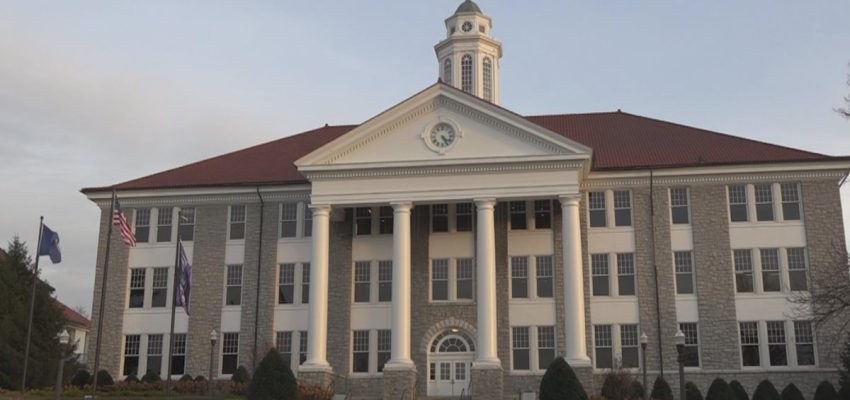

The relentless march of artificial intelligence continues to reshape industries, economies, and societies worldwide. While the narrative often centers on the bustling tech hubs of Silicon Valley, London, or Beijing, a profound shift is quietly taking root in unexpected corners. The digital revolution, once perceived as an urban phenomenon, is now extending its reach, creating unprecedented opportunities in areas traditionally overlooked. It is in this spirit of inclusive innovation that initiatives like the one spearheaded by James Madison University (JMU) are not just commendable, but utterly essential.
As an AI specialist and someone deeply passionate about technology’s potential to uplift communities, I’ve closely watched the evolution of strategies aimed at democratizing access to cutting-edge skills. The announcement of JMU’s partnership with CGI, a global IT and business consulting powerhouse, to launch its Bridge2AI program, marks a pivotal moment. This initiative is designed to cultivate sophisticated AI career pathways within rural communities, challenging the prevailing notion that high-tech jobs are exclusive to metropolitan areas. It’s an affirmation that talent knows no geographical bounds and that with the right infrastructure and vision, even the most traditional landscapes can become fertile ground for the future of AI.
AI Career Pathways: A New Horizon for Rural Development
For too long, the economic landscape of rural America has been characterized by reliance on traditional industries like agriculture, manufacturing, and natural resources. While these sectors remain vital, their susceptibility to economic shifts and technological advancements elsewhere often leaves rural communities vulnerable to job losses and limited growth. The result is a persistent challenge of brain drain, where younger generations and skilled professionals migrate to urban centers in search of better opportunities, leaving a void in local talent pools.
This is where the concept of fostering robust AI career pathways emerges as a game-changer. By actively developing a skilled workforce capable of engaging with artificial intelligence, machine learning, and data science, rural areas can begin to diversify their economies, create new types of jobs, and retain their brightest minds. Imagine a scenario where a small farming town can leverage AI for precision agriculture, optimizing crop yields, managing resources more efficiently, and predicting market trends. Or a remote healthcare facility utilizing AI-powered diagnostics to provide advanced medical insights, reducing the need for patients to travel vast distances for specialist consultations. These aren’t futuristic pipe dreams; they are tangible applications that an AI-skilled workforce can implement today.
James Madison University, situated in Virginia’s scenic Shenandoah Valley, is uniquely positioned to lead such an effort. As a public research university with a strong commitment to community engagement and regional development, JMU understands the needs and potential of its surrounding rural areas. Its mission extends beyond academic excellence to active participation in addressing societal challenges. The partnership with CGI amplifies this potential significantly. CGI, with its global footprint and deep expertise in government, healthcare, and commercial sectors, brings not only financial backing but also invaluable industry insights, mentorship opportunities, and a direct pipeline to real-world projects. This collaboration represents a potent fusion of academic rigor and practical industry application, creating a robust ecosystem for fostering future AI professionals.
This initiative also aligns with broader national efforts to bridge the digital divide and ensure equitable access to technology and its benefits. Government programs focusing on expanding broadband internet access in rural areas, coupled with initiatives like JMU’s Bridge2AI, are foundational to creating the infrastructure – both digital and human – necessary for rural prosperity in the 21st century. It’s about empowering communities to not just consume technology, but to actively create and innovate with it, transforming local economies from within.
The Bridge2AI Program: Structure, Vision, and Transformative Impact
The Bridge2AI program is more than just a training course; it’s a comprehensive fellowship designed to cultivate a new generation of AI professionals. The program is preparing to welcome its first cohort of fellows, a diverse group likely comprising recent graduates, individuals looking to pivot their careers, and local residents eager to acquire high-demand digital skills. The structured curriculum will dive deep into foundational AI concepts, including machine learning algorithms, data analysis, ethical AI development, natural language processing, and computer vision. Crucially, it won’t be solely theoretical. The program emphasizes hands-on experience, ensuring fellows gain practical skills directly applicable to real-world scenarios.
A significant component of the Bridge2AI fellowship will involve practical application, likely through internships or capstone projects with local businesses, non-profits, or government agencies. This experiential learning is vital. Fellows might work on developing AI solutions for optimizing supply chains for a regional agricultural cooperative, creating predictive maintenance models for local infrastructure, or assisting public health departments with data-driven insights. Such projects not only provide invaluable experience for the fellows but also introduce AI solutions directly into the community, demonstrating its immediate value and fostering local adoption.
The vision behind Bridge2AI extends beyond individual skill acquisition. It aims to create a self-sustaining ecosystem of AI talent and innovation within rural regions. By providing accessible pathways to advanced tech careers, the program seeks to reverse the brain drain and instead foster ‘brain gain,’ encouraging skilled professionals to remain in or return to their hometowns. This localized talent pool can then catalyze the creation of new startups, attract tech-oriented businesses, and transform existing industries, injecting new dynamism into the regional economy.
Moreover, the program’s focus on mentorship, drawing on the expertise of both JMU faculty and CGI professionals, will provide fellows with guidance that extends beyond technical skills. They will learn about project management, client relations, and the nuanced ethical considerations inherent in AI deployment. This holistic approach ensures that graduates are not just technically proficient but also well-rounded professionals ready to lead and innovate responsibly. The long-term impact could be transformative: not just job creation, but the emergence of vibrant tech clusters in unexpected places, driving economic growth and improving the quality of life through AI-powered solutions in areas like smart rural infrastructure, accessible telehealth, and sustainable resource management.
Navigating Challenges and Forging the Future of Rural AI
While the promise of **AI career pathways** in rural communities is immense, it’s important to acknowledge the inherent challenges. One of the primary hurdles remains consistent: equitable access to high-speed broadband internet. While significant strides are being made, consistent and reliable internet access is the bedrock upon which any digital skill development program must be built. Without it, the ability to access online learning resources, collaborate remotely, and deploy cloud-based AI solutions becomes severely limited.
Another challenge lies in shifting cultural perceptions and building awareness. For many in traditional rural areas, AI might still seem like a distant, abstract concept with little relevance to their daily lives or local industries. Overcoming this requires not just training programs but active community engagement, demonstrating tangible benefits and showcasing successful local applications. The Bridge2AI program, by embedding its fellows into local projects, plays a crucial role in demystifying AI and illustrating its practical value firsthand.
Funding for local startups and small businesses looking to adopt AI is another critical factor. While training individuals is vital, creating an environment where these individuals can apply their skills locally, whether by founding new ventures or integrating AI into existing ones, requires access to capital and supportive entrepreneurial ecosystems. JMU and CGI’s initiative, through its network, can potentially link fellows to resources and mentorship that extends into business development and venture creation.
Furthermore, the ethical implications of AI deployment, particularly in new contexts, cannot be overlooked. Issues such as data privacy, algorithmic bias, and the potential for job displacement need careful consideration. A program like Bridge2AI must instill a strong ethical framework in its fellows, preparing them to develop and implement AI solutions responsibly and with a deep understanding of their societal impact. This includes focusing on AI applications that augment human capabilities rather than simply replacing jobs, and ensuring that data used for AI training is representative and handled securely.
The initiative at James Madison University is not just about producing a cohort of AI specialists; it’s about modeling a blueprint for distributed innovation. If successful, it could inspire similar collaborations between educational institutions, industry partners, and local governments across the nation. Imagine a future where every rural region has access to the tools and talent needed to leverage AI for its unique challenges and opportunities. This requires sustained investment, continuous adaptation of curricula to evolving tech landscapes, and a commitment to nurturing local talent long-term. By strategically addressing these challenges, JMU and CGI are not just building a program; they are laying the groundwork for a more resilient, innovative, and equitable future for rural America.
The first cohort of Bridge2AI fellows represents more than just individuals embarking on new career paths; they are pioneers. Their success will not only transform their own lives but will serve as a beacon for what is possible when vision, collaboration, and a commitment to inclusive growth converge. The ripple effects of this program could extend far beyond the Shenandoah Valley, proving that the digital frontier is not limited to urban skylines, but can thrive wherever human ingenuity is cultivated.
In conclusion, the collaboration between James Madison University and CGI to establish the Bridge2AI program is a profound testament to the power of strategic partnerships in addressing critical societal needs. By intentionally creating **AI career pathways** in rural communities, this initiative is directly confronting the digital divide, fostering economic diversification, and empowering individuals with the skills necessary to thrive in an AI-driven world. It’s an inspiring example of how thoughtful, localized interventions can have far-reaching impacts, driving innovation and prosperity in regions often left behind in the tech boom.
From my perspective as an AI specialist, initiatives like Bridge2AI are not just about job creation; they are about building a more equitable future where the benefits of advanced technology are accessible to all, regardless of geography. This program is a vital step towards ensuring that the transformative potential of artificial intelligence serves to uplift every corner of society, fostering resilience, innovation, and a vibrant future for rural America. We must continue to support and replicate such models, investing in human potential and leveraging technology to build stronger, smarter, and more inclusive communities for generations to come.










