

In an era defined by unprecedented technological acceleration, the global conversation around artificial intelligence often oscillates between awe and apprehension. AI is not merely a tool; it’s a transformative force reshaping industries, redefining job roles, and demanding a fundamental shift in how we approach education and skill development. As an AI specialist and fervent tech enthusiast, I’ve witnessed firsthand the profound impact these advancements are having on our societies and economies. The critical question facing educators, policymakers, and employers today is not if AI will change the world, but how we can proactively prepare the next generation to thrive within it.
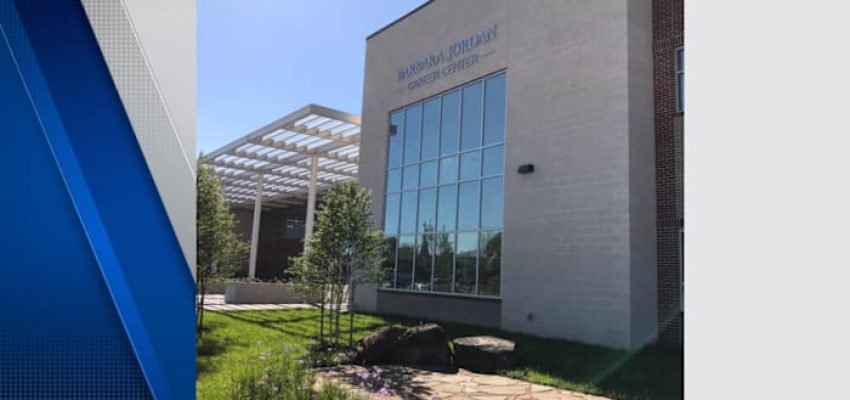
Amidst this rapid evolution, a growing number of educational institutions are recognizing the imperative to adapt their curricula to meet the demands of an AI-driven future. They are stepping up to the challenge, designing programs that equip students with the necessary aptitudes to navigate an increasingly complex and automated world. One such visionary approach comes from the Houston Independent School District (HISD), which is making significant strides by expanding its career and technical education (CTE) offerings. Starting next school year, HISD plans to add 16 high-demand career programs at the Barbara Jordan Career Center. This initiative is far more than a local development; it serves as a powerful microcosm of the global effort to strategically cultivate the skills and mindsets essential for tomorrow’s professionals. It underscores a crucial understanding: preparing our youth for success means equipping them not just with knowledge, but with practical, future-proofed capabilities that enable them to innovate, adapt, and lead in an AI-augmented landscape. The implications of such foresight extend beyond individual student success, impacting regional economic vitality and national competitiveness in the global tech race.
Future Workforce: Preparing for an AI-Augmented Reality
The concept of the Future Workforce is intrinsically linked to the relentless pace of technological innovation, particularly in artificial intelligence. What constitutes a ‘high-demand’ career today is constantly being redefined by AI’s capabilities and its integration into virtually every sector. From healthcare diagnostics to advanced manufacturing, logistics, and creative industries, AI is automating routine tasks, enhancing productivity, and creating entirely new job categories that demand a novel blend of technical proficiency and distinctly human skills. Therefore, educational institutions face the monumental task of forecasting these demands and designing programs that provide relevant, cutting-edge training.
The Houston ISD’s expansion of its CTE programs at the Barbara Jordan Career Center is a prime example of an educational system proactively addressing this challenge. By adding 16 high-demand programs, HISD is directly targeting sectors where AI is already making a significant impact or is poised to do so. Consider programs in areas such as advanced manufacturing, where robotics and AI-powered automation are standard; or in healthcare technology, where AI assists in medical imaging analysis and personalized treatment plans. Even traditional trades are being infused with smart technologies, requiring technicians who can work with AI-powered diagnostic tools and automated systems. These are not merely vocational skills; they are foundational competencies for interacting with and leveraging AI effectively. The goal is to move beyond simply training for current jobs and instead prepare students for careers that may not even exist yet, emphasizing adaptability and continuous learning.
According to reports from institutions like the World Economic Forum, millions of jobs are expected to be displaced by automation and AI in the coming years, while an even greater number of new roles will emerge. This shift necessitates a significant investment in reskilling and upskilling initiatives. Programs focused on data science, cybersecurity, cloud computing, and AI ethics are becoming indispensable. Moreover, the definition of ‘high-demand’ now includes not just technical prowess but also a deep understanding of how to collaborate with AI systems, ensuring human oversight and ethical considerations. The **Future Workforce** will be characterized by its ability to augment AI, not compete with it, leveraging human creativity, critical thinking, and emotional intelligence to solve complex problems that AI alone cannot address. This proactive educational strategy is vital for ensuring that the next generation of professionals is not only employed but meaningfully contributing to society and economic growth in an increasingly intelligent world.
Bridging the Skills Gap in an AI-Driven Economy
The persistent skills gap remains one of the most pressing challenges in an economy increasingly shaped by artificial intelligence. While AI automates repetitive tasks, it simultaneously elevates the demand for advanced cognitive skills, digital literacy, and interpersonal capabilities. Educational initiatives, such as the expanded offerings at the Barbara Jordan Career Center, play a pivotal role in bridging this gap by focusing on competencies that are both technically relevant and uniquely human. The 16 high-demand programs likely encompass a spectrum of fields where the convergence of technology and human expertise is critical. For instance, consider cybersecurity – a field where AI assists in threat detection but human analysts are crucial for strategic defense and incident response. Or advanced manufacturing, where skilled technicians are needed to program, maintain, and innovate alongside robotic systems.
Effective CTE programs for the AI era go beyond teaching how to use specific software or operate machinery. They integrate principles of computational thinking, problem-solving, and critical analysis, enabling students to understand the ‘why’ behind the technology, not just the ‘how.’ This includes fundamental coding skills, an understanding of data analytics, and an awareness of AI’s ethical implications. For example, a program in medical coding might now include modules on AI tools that assist with diagnosis, requiring students to understand the ethical considerations of AI in patient care. Similarly, an automotive technology program might delve into electric vehicle diagnostics and autonomous driving systems, demanding a new level of digital literacy and an appreciation for complex sensor data. These are the skills that empower individuals to be creators and innovators in the AI landscape, rather than merely consumers of technology.
The importance of soft skills cannot be overstated in this context. While AI excels at logic and data processing, human attributes such as creativity, collaboration, communication, and emotional intelligence become even more valuable. These are the skills that foster innovation, drive teamwork, and enable individuals to adapt to rapidly changing work environments. Programs that incorporate project-based learning, teamwork exercises, and real-world simulations are crucial for cultivating these attributes. By combining robust technical training with essential human-centric skills, educational centers are not just preparing students for jobs; they are molding versatile professionals capable of thriving in a dynamic, AI-augmented **Future Workforce**. This holistic approach ensures that students are not only technically proficient but also emotionally intelligent and ethically aware citizens ready to shape the future responsibly.
Cultivating Human Potential: Beyond Technical Proficiency
While technical proficiency is undoubtedly crucial for the Future Workforce, the long-term sustainability of human careers in an AI-driven world hinges on cultivating our uniquely human potential. Artificial intelligence, for all its power, lacks genuine creativity, empathy, moral reasoning, and the ability to navigate truly ambiguous or novel situations without pre-programmed parameters. Therefore, the most impactful educational strategies will emphasize the development of these intrinsic human qualities, ensuring that individuals are positioned to complement, rather than be replaced by, intelligent machines.
Programs like those being expanded at the Barbara Jordan Career Center, when designed with this broader perspective, can become powerful incubators for these essential human skills. Imagine a student in a digital media program not just learning animation software, but being challenged to craft compelling narratives and evoke emotion through their art – a task AI can assist with, but not originate with authentic human insight. Or a student in a healthcare program learning not only about medical technology but also about patient communication, empathy, and ethical decision-making in complex scenarios. These are the areas where human value truly shines. The emphasis shifts from rote memorization and procedural tasks, which AI can easily replicate, to fostering critical thinking, complex problem-solving, and the ability to ask the right questions – skills that remain firmly in the human domain.
Furthermore, an essential aspect of preparing the Future Workforce is instilling a mindset of lifelong learning. The pace of AI development means that what is cutting-edge today may be obsolete tomorrow. Educational institutions must equip students with the meta-skill of ‘learnability’ – the capacity and desire to continuously acquire new knowledge and adapt to evolving technologies and job roles. This involves teaching students how to research effectively, discern credible information, and self-direct their learning journeys. It transforms education from a finite process into a continuous, empowering journey. By integrating interdisciplinary approaches and emphasizing project-based learning that mirrors real-world challenges, these programs foster resilience, adaptability, and an entrepreneurial spirit. Ultimately, the goal is to develop well-rounded individuals who are not only technically capable but also ethically grounded, critically thoughtful, and creatively engaged, ready to lead and innovate in partnership with AI for the betterment of society.
Conclusion
The expansion of high-demand career programs at institutions like the Barbara Jordan Career Center by HISD is more than just a local educational update; it is a clear signal of a much broader, urgent imperative. As AI continues to redefine the contours of our global economy and daily lives, the strategic preparation of our youth for the **Future Workforce** becomes paramount. This involves moving beyond traditional academic paradigms to embrace vocational and technical education that is deeply informed by technological trends, fostering both cutting-edge technical skills and invaluable human competencies such as critical thinking, creativity, and ethical reasoning. Such initiatives are crucial for building a resilient, adaptable, and innovative society ready to harness AI’s potential while mitigating its challenges.
As an AI specialist, I firmly believe that the future is not about humans competing with AI, but rather about humans collaborating with it to achieve unprecedented feats. The responsibility lies with us – educators, industry leaders, and policymakers – to ensure that the next generation is not merely prepared for this future, but empowered to actively shape it. By investing in comprehensive, forward-thinking educational programs, we are not just training individuals for jobs; we are cultivating the innovators, problem-solvers, and ethical leaders who will drive progress in an increasingly intelligent world, proving that human potential, when properly nurtured, remains our most powerful asset.










