
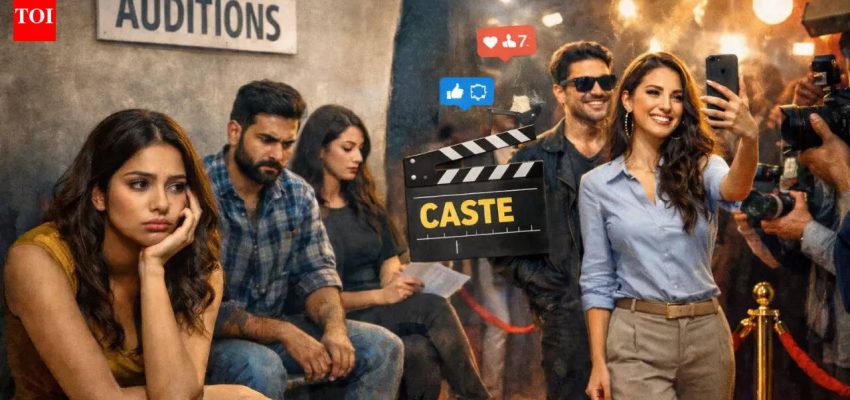

In an era increasingly dominated by digital metrics, a seismic shift is underway in industries far beyond the confines of tech startups and e-commerce. Even the venerable world of cinema, long considered a bastion of artistic merit and traditional craftsmanship, finds itself navigating the choppy waters of online popularity. Actor Shiva Shah Ra’s recent candid remarks about Instagram follower counts becoming a deciding factor in casting decisions have reignited a passionate, industry-wide debate. It’s a discussion that cuts to the heart of what we value in talent, authenticity, and the very future of storytelling. As an AI specialist and tech enthusiast, I find this convergence fascinating: where human creativity meets algorithmic validation, and where the raw potential of an artist must now often contend with the quantifiable appeal of their digital footprint. Is the red carpet truly rolling out for the most followed, or is there still space for raw, unadulterated talent to shine?
For decades, the path to cinematic stardom was a well-trodden, albeit arduous, one: acting school, regional theater, bit parts, relentless auditions, and a dash of good fortune. Talent was honed, skills were developed, and a unique voice was painstakingly discovered. Now, however, the digital age has introduced a powerful, disruptive element into this equation. The question isn’t just about whether an actor can deliver a convincing performance, but whether they can also deliver an audience. This paradigm shift forces us to re-evaluate the very essence of ‘star power’ and how it’s cultivated in the 21st century. What started as a platform for personal expression and connection has evolved into a formidable, almost obligatory, professional tool, transforming how individuals are perceived and, more critically, selected for roles that once hinged solely on their craft.
Social Media Influence in Casting: A New Metric for Stardom?
The notion that follower counts could dictate film careers isn’t entirely new, but its increasing prevalence is undeniable. For studios and production houses, the logic is deceptively simple and, from a business perspective, incredibly compelling: an actor with a massive online following comes with a pre-built audience. This immediately translates into a powerful marketing tool, a ready-made channel to promote a film, and a potentially significant boost to box office numbers or streaming viewership. In a highly competitive and often financially precarious industry, anything that reduces risk and guarantees a return on investment becomes a critical consideration. Why spend millions on marketing campaigns when your lead actor can reach tens of millions with a single Instagram post? This pragmatic approach to talent selection underscores a fundamental tension between art and commerce.
Consider the contemporary film ecosystem. Blockbusters require astronomical budgets, and even independent features rely on securing distribution and audience engagement. Every element, therefore, is scrutinized for its commercial viability. When casting, a director might see raw talent, but producers and executives see data. They look at engagement rates, demographic reach, geographical spread of followers, and even the sentiment around an actor’s online persona. This data-driven approach is a direct consequence of the digital revolution, which has made almost every aspect of consumer behavior measurable. The global reach of platforms like Instagram, with billions of users, presents an undeniable opportunity for cross-promotion and audience capture that was unimaginable just two decades ago. The conversation about social media influence in casting is therefore not just about actors’ popularity, but about the economics of an entire industry trying to adapt to new market realities.
Moreover, the rise of the ‘influencer’ culture has blurred the lines between performer, celebrity, and marketer. Actors are now expected to be more than just interpreters of roles; they are often brand ambassadors, lifestyle gurus, and content creators. Their personal brands, meticulously curated online, become an extension of their professional identity. This isn’t just a trend in Hollywood or Bollywood; film industries globally, from Nollywood to European arthouse cinema, are grappling with this new reality. Emerging markets, in particular, where digital adoption is high and traditional media structures might be less entrenched, often see an even faster integration of social media metrics into casting processes. This shift also encourages actors to actively cultivate their online presence, often at the expense of time that might otherwise be spent honing their craft or exploring diverse roles that don’t necessarily align with their ‘brand.’
Beyond the Numbers: The Artistic Cost and Authenticity Dilemma
While the business case for considering online reach in casting seems clear, the artistic and ethical implications are far more complex and troubling. The most significant concern is the potential erosion of artistic merit. If follower counts become a primary determinant, does it mean that truly gifted, nuanced actors who prefer to maintain a low online profile will be overlooked in favor of those who are simply better at self-promotion? This could lead to a homogenous pool of talent, prioritizing charisma and photogenicity over profound acting ability, unique interpretations, or the capacity to embody complex characters.
The pressure on actors themselves is immense. Many feel compelled to maintain a constant online presence, sharing personal moments, engaging with fans, and even participating in viral trends, all in an effort to boost their numbers. This performative aspect of social media can be exhausting and, more importantly, distracting from the deep, introspective work required for method acting or character development. It creates a ‘catch-22’ for aspiring artists: to get cast, you need followers; to get followers, you need visibility, which often comes from being cast. This cycle can be particularly detrimental to actors from marginalized communities or those who do not fit conventional beauty standards, as their path to building a significant online following might be inherently steeper, despite their undeniable talent. The authenticity of performances also comes into question when an actor’s primary focus might be on maintaining a public image rather than delving fully into the fictional world of their character. The art of disappearing into a role, a hallmark of great acting, becomes challenging when one is constantly ‘on’ for their digital audience.
Moreover, the quest for viral fame can inadvertently encourage superficiality. Content that garners the most likes and shares is often light, entertaining, and easily digestible, rather than thought-provoking or challenging. If actors feel pressured to conform to these trends to grow their following, it could subtly influence their career choices, pushing them towards roles and projects that align with their ‘brand’ rather than those that challenge them artistically. This phenomenon, where an actor’s personal brand overshadows their professional portfolio, risks turning the craft of acting into a popularity contest, diminishing the very essence of dramatic art. The debate about social media influence in casting highlights a fundamental tension between the commercial imperative and the artistic integrity of filmmaking.
The Algorithmic Gaze: AI, Data, and the Future of Talent Discovery
As an AI specialist, I look at the current trends in casting and see echoes of a larger, evolving landscape where data and algorithms are increasingly influencing human decisions. The reliance on social media metrics is, in essence, an early form of data-driven talent scouting. What happens when this process becomes even more sophisticated, powered by artificial intelligence?
Imagine a future where AI systems don’t just count followers but analyze a vast array of data points: an actor’s past performances, their vocal nuances, emotional range demonstrated in self-tapes, audience sentiment from reviews, even their physiological responses to different scripts. AI could potentially identify subtle patterns and correlations that human casting directors might miss, perhaps even predicting which actor would best resonate with a specific demographic for a particular role. Such systems could, in theory, offer unprecedented efficiency and precision, optimizing casting decisions for both artistic impact and commercial success.
However, this future also brings a new set of ethical considerations. AI models are only as good as the data they are trained on, and if that data inherently contains biases (e.g., disproportionately rewarding actors who fit certain stereotypes or who are already famous), then AI-driven casting could perpetuate and even amplify those biases. The danger here is the creation of ‘echo chambers’ of talent, where algorithms favor what has worked in the past, potentially stifling innovation and diversity. There’s also the question of ‘interpretability’ – can we truly understand *why* an AI chose one actor over another? What if its logic is sound from a data perspective but misses the human spark, the intangible magic that truly defines a captivating performance?
Moreover, the ethical implications of using AI to analyze an actor’s every digital move, from their public posts to potentially more private data, raise significant privacy concerns. How much of an individual’s digital persona is fair game for algorithmic scrutiny in their professional pursuit? As the debate around social media influence in casting continues, we must also proactively consider the role AI will play. Will it become a tool to uncover truly hidden gems, identifying talent that transcends superficial metrics, or will it further entrench a system where actors are reduced to mere data points in a complex algorithmic equation?
The ideal scenario would be an AI that acts as an intelligent assistant, augmenting human intuition rather than replacing it. An AI could sift through vast numbers of auditions, flag potential candidates based on objective criteria, and even suggest diverse, unconventional choices that might not immediately come to mind. But the ultimate decision, the human touch that recognizes true artistry and emotional depth, must remain firmly in the hands of creative professionals. The integration of technology in such a profoundly human endeavor requires careful thought, robust ethical frameworks, and a constant re-evaluation of our values as an industry.
The ongoing discourse sparked by remarks like Shiva Shah Ra’s serves as a crucial reminder: the film industry is at a crossroads. The undeniable power of social media to amplify voices and connect artists with audiences offers immense opportunities. Yet, the increasing reliance on quantifiable metrics like follower counts for casting decisions presents a clear and present danger to artistic integrity and the fundamental pursuit of genuine talent. It risks transforming the rich, multifaceted craft of acting into a popularity contest, where digital showmanship might overshadow profound skill and dedication.
As we look to the future, especially with the accelerating integration of AI into various aspects of creative industries, the challenge will be to find a harmonious balance. We must harness the analytical power of data and algorithms to identify potential, streamline processes, and broaden horizons, without allowing them to dictate artistic choices or diminish the value of human intuition and authentic talent. The screen, after all, is a canvas for human stories, and the most compelling narratives are those brought to life by actors chosen for their craft, not just their digital reach. It’s imperative that the industry, from casting directors to studio executives, fosters an environment where talent, hard work, and artistic integrity remain the ultimate currencies, ensuring that the magic of cinema continues to be driven by passion, not just algorithms or follower counts.










