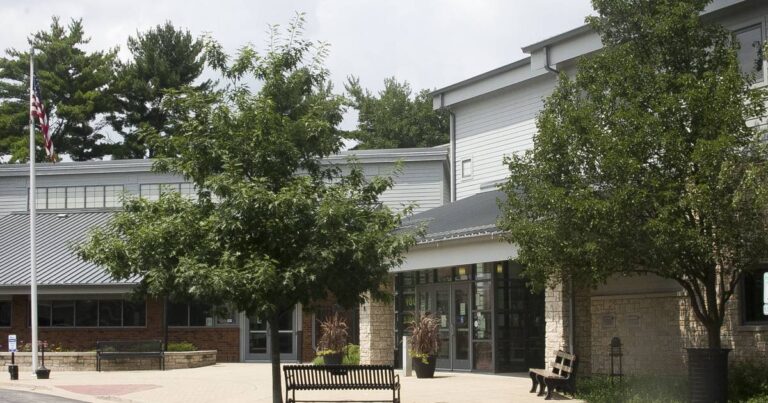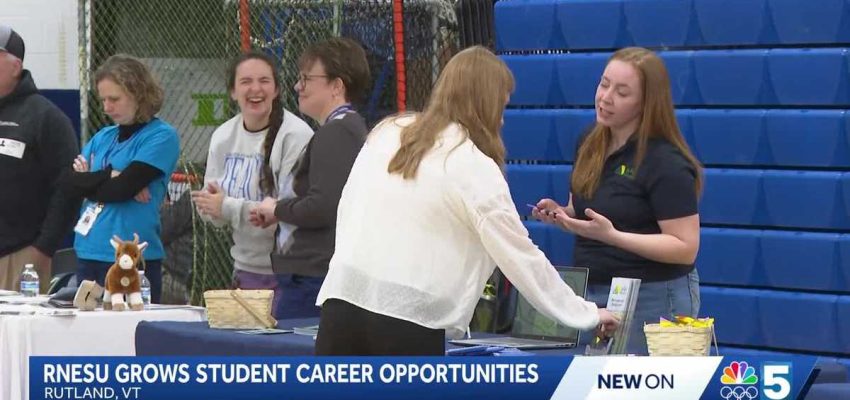

In an age defined by relentless technological advancement, especially the accelerating pace of artificial intelligence, the landscape of work is undergoing a profound transformation. What does this mean for the next generation, still navigating the pathways of their foundational education? It means that preparing students for their futures demands more than traditional academic instruction; it calls for a proactive, comprehensive approach to career readiness. It is with immense interest and optimism that I observe initiatives that address this crucial need head-on, like the recent development in the Rutland Northeast Supervisory Union (RNeSU) in Southern Vermont.
The news that RNeSU has been selected for a national program, enabling them to significantly expand their career education resources through a partnership with Transcend Education, is not just a local story. It’s a beacon for how school districts across the nation can adapt and thrive in preparing young minds for a world that is evolving at an unprecedented speed. This collaboration promises to expose students to a much broader spectrum of career pathways, fostering informed decisions and cultivating essential skills that transcend any single industry. As an AI specialist and someone deeply invested in the future of education, I believe this model of forward-thinking educational design is precisely what we need to empower the innovators, problem-solvers, and leaders of tomorrow.
Career Education: A New Imperative for a Dynamic World
The concept of career education has evolved dramatically over the past few decades. Gone are the days when a high school guidance counselor simply offered a limited set of college brochures or vocational school pamphlets. Today, the world of work is a complex tapestry woven with emerging technologies, interdisciplinary roles, and an ever-increasing demand for adaptability and critical thinking. For districts like RNeSU, recognizing this shift and proactively seeking partnerships to address it is a testament to visionary leadership. Their selection for a national program underscores a commitment to providing students with opportunities that extend far beyond the classroom walls, connecting academic learning directly to real-world applications and future professional pursuits.
Transcend Education, a prominent national nonprofit organization, plays a pivotal role in this transformation. Known for its work in designing and supporting innovative learning environments, Transcend typically collaborates with school systems to create student-centered, equity-focused educational models. Their expertise lies in helping districts reimagine what education can be, fostering environments where students are not just recipients of knowledge but active participants in their own learning journeys and future planning. This partnership means RNeSU students will likely benefit from cutting-edge pedagogical approaches, access to diverse industry insights, and structured programs designed to broaden their horizons. It’s about moving beyond theoretical knowledge to practical understanding, offering a glimpse into what various professional lives truly entail.
The traditional approach often leaves students feeling adrift, making significant life choices with limited information. Many enter higher education or the workforce without a clear sense of their passions, aptitudes, or the vast array of possibilities available. This leads to higher rates of college dropouts, job dissatisfaction, and a significant mismatch between available talent and industry needs. By contrast, a robust career education program, especially one enhanced by external partnerships, aims to mitigate these challenges. It introduces students to a variety of sectors—from advanced manufacturing and renewable energy to healthcare, technology, and entrepreneurship—before they ever have to make definitive choices. This early exposure isn’t just about showing them what jobs exist; it’s about helping them understand the skills required, the daily realities of different professions, and how their interests might align with future opportunities.
Moreover, the modern emphasis on career education extends beyond specific job titles to cultivating transferable skills. In a world where some estimates suggest that many jobs of the future haven’t even been invented yet, the ability to think critically, collaborate effectively, communicate clearly, and adapt to new technologies becomes paramount. These are the meta-skills that safeguard against technological displacement and empower individuals to pivot and thrive in dynamic environments. Programs facilitated by Transcend Education often prioritize project-based learning, mentorships, internships, and opportunities for students to engage directly with professionals in various fields. This hands-on experience not only makes learning more engaging but also provides invaluable context, allowing students to see the relevance of their academic studies and explore potential career paths in a low-stakes environment. For a district like RNeSU, this isn’t just an enhancement; it’s a strategic investment in the long-term success and resilience of its student population and the broader community.
Navigating Future Pathways: A Holistic Approach to Readiness
The expansion of career education resources at RNeSU, supported by Transcend Education, represents a holistic shift in how we prepare students for adulthood. It acknowledges that education must be integrated with real-world application, fostering both academic excellence and practical readiness. This isn’t merely about vocational training, though that remains a vital component; it’s about creating a comprehensive ecosystem of learning that bridges the gap between school and the professional world. Imagine a student in Southern Vermont, perhaps initially unaware of the vast opportunities beyond their immediate vicinity, suddenly exposed to virtual reality tours of cutting-edge robotics labs, mentorship programs with local tech entrepreneurs, or hands-on workshops in sustainable agriculture. This kind of intentional exposure is transformative.
The impact of such a program can be profound, not just for individual students but for the community itself. By cultivating a skilled and informed local workforce, districts can help retain talent, stimulate economic development, and foster innovation within their regions. For instance, Vermont has a growing emphasis on green energy and sustainable practices; robust career education can channel student interest into these vital sectors, creating a pipeline of talent that meets local economic needs. This strategic alignment between educational offerings and regional industry demands is a cornerstone of effective modern career readiness. It means students graduate not just with diplomas, but with portfolios of experience, professional networks, and a clear vision for their next steps, whether that involves higher education, military service, or direct entry into a chosen profession.
Furthermore, an enhanced career education framework often champions equity. Historically, access to diverse career pathways has been unequal, often dictated by socioeconomic status or geographic location. Partnerships with organizations like Transcend Education typically focus on dismantling these barriers, ensuring that all students, regardless of background, have equitable access to resources, mentors, and opportunities. This might involve transportation for site visits, scholarships for specialized training, or targeted outreach to underserved populations. The goal is to democratize career exploration, ensuring that every student has the chance to discover their potential and pursue their ambitions, free from arbitrary limitations. In doing so, districts like RNeSU are not just educating individuals; they are building a more inclusive and robust future for their entire community.
Empowering the Next Generation of Innovators and Leaders
The long-term impact of comprehensive career education initiatives cannot be overstated. When students are empowered to explore a multitude of career pathways early on, they develop a sense of agency and purpose. They become more engaged in their studies because they can see the direct relevance to their future aspirations. This engagement can lead to higher academic achievement, increased graduation rates, and a more successful transition into post-secondary life. For example, knowing that their mathematics skills are crucial for a career in data science or that their communication abilities are vital for project management can ignite a passion for learning that traditional methods sometimes struggle to achieve.
As we look towards a future increasingly shaped by artificial intelligence and automation, the importance of adaptable human skills becomes even more apparent. While AI excels at repetitive, analytical tasks, uniquely human attributes such as creativity, critical thinking, empathy, and complex problem-solving remain irreplaceable. Effective career education programs are increasingly designed to cultivate these very skills, alongside exposure to emerging technologies. Students might learn to collaborate with AI tools rather than compete against them, understanding how to leverage technology to augment human capabilities. This forward-thinking approach ensures that students are not just prepared for the jobs of today, but for the evolving demands of tomorrow’s workforce.
What RNeSU is undertaking with Transcend Education serves as an inspiring example for other school districts. It highlights the critical need to continuously re-evaluate and enhance our educational offerings to meet the needs of a rapidly changing world. By focusing on diverse career exposures, practical skill development, and fostering an environment of continuous learning and adaptability, they are doing more than just expanding resources; they are fundamentally reshaping the educational experience. They are empowering students to become active architects of their own futures, equipped with the knowledge, skills, and confidence to thrive in any profession they choose, in any future scenario that unfolds.
The commitment shown by RNeSU, through its partnership with Transcend Education, to elevate its career education resources is a powerful statement about investing in the next generation. It’s a recognition that true preparation for life in the 21st century extends far beyond textbooks and standardized tests. It encompasses practical skills, real-world experiences, and the development of a resilient, adaptable mindset essential for navigating an increasingly complex global landscape.
As technology continues its relentless march forward, and new industries emerge while others transform, the bedrock of a successful society will be its educated, adaptable, and informed citizens. Initiatives like the one in Southern Vermont are not just about local progress; they are blueprints for a future where every student is given the tools and opportunities to thrive, not just survive, in a world full of exciting, yet unpredictable, possibilities. It’s about empowering them to embrace innovation, pursue their passions, and ultimately, build a better future for themselves and their communities.