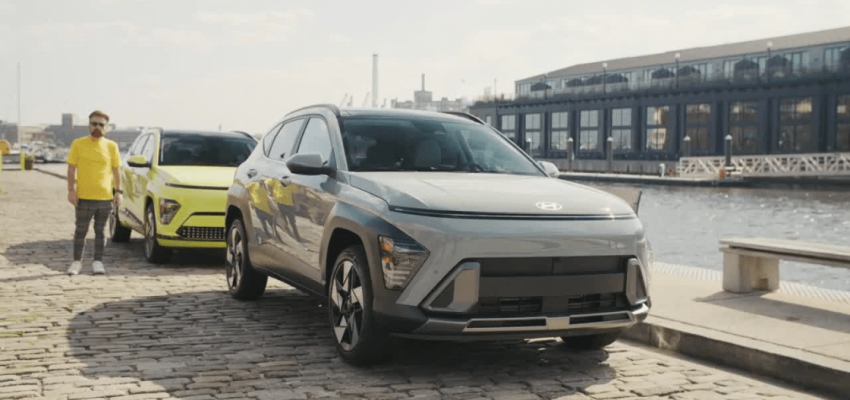

The automotive industry, once synonymous with mechanical prowess and assembly lines, is now a vibrant frontier of innovation, driven by artificial intelligence, electrification, and advanced robotics. The vehicles of tomorrow – intelligent, autonomous, and seamlessly connected – demand a workforce equipped with a sophisticated understanding of science, technology, engineering, and mathematics. It is within this context of rapid evolution that Hyundai, a global leader in mobility solutions, is making a profound investment, not just in its next generation of vehicles, but in the minds that will build them.
As an AI specialist and an avid observer of technological shifts, I find Hyundai’s commitment to expanding its **STEM education** efforts across the United States particularly compelling. This isn’t merely a corporate social responsibility initiative; it’s a strategic foresight, a recognition that the foundation for future automotive excellence is laid in classrooms and hands-on programs, long before students enter the professional world. From Pre-K through 12th grade, Hyundai is fostering an environment where curiosity thrives, problem-solving skills are honed, and the seeds of innovation are planted early. This proactive approach underscores a vital truth: the future of mobility, deeply intertwined with AI and cutting-edge engineering, hinges on a robust pipeline of talent cultivated from the earliest stages of learning.
STEM Education: Paving the Way for Future Automotive Innovation
At its core, **STEM education** is more than just teaching individual subjects; it’s about fostering a way of thinking – critical inquiry, problem-solving, and innovative design. Hyundai’s expanded programs emphasize hands-on learning, which is crucial for internalizing these concepts. Imagine a third-grader building a simple electric circuit or a high school student programming a miniature robot to navigate a simulated assembly line. These experiences, far from being abstract academic exercises, directly connect theoretical knowledge to real-world applications, sparking genuine interest and demonstrating the practical relevance of science, technology, engineering, and mathematics.
This early engagement is paramount. Research consistently shows that foundational exposure to STEM concepts in early childhood significantly impacts a student’s likelihood of pursuing related fields later in life. By partnering with various educational institutions and community organizations, Hyundai is creating accessible pathways for students from diverse backgrounds to explore these critical disciplines. These partnerships are instrumental in bridging gaps in educational resources, ensuring that opportunity is not limited by zip code. For instance, some programs might involve bringing mobile STEM labs to underserved communities, offering workshops on coding, renewable energy, or even the basic principles of vehicle dynamics. The goal is to demystify complex subjects and make them approachable and exciting for young learners, thereby nurturing a lifelong love for innovation and discovery.
Furthermore, the automotive industry today faces a significant skills gap. As vehicles become more software-defined and less purely mechanical, the demand for engineers with expertise in areas like artificial intelligence, machine learning, data science, cybersecurity, and advanced materials science is skyrocketing. By investing in comprehensive **STEM education** from Pre-K onward, Hyundai is playing the long game, cultivating a future workforce that is not only proficient in these emerging fields but also excited to contribute to the next generation of transportation. This holistic approach ensures that students develop not just technical skills but also the soft skills – teamwork, communication, and adaptability – that are equally vital in a rapidly evolving technological landscape.
The Evolving Automotive Landscape: AI, Electrification, and Beyond
The transformation within the automotive sector is nothing short of revolutionary. Electric vehicles (EVs) are transitioning from niche products to mainstream staples, requiring sophisticated battery management systems, charging infrastructure, and novel material science. Autonomous vehicles, while still in their nascent stages of widespread adoption, are pushing the boundaries of artificial intelligence, sensor technology, and real-time data processing. Every new model seems to integrate more computational power, more intricate software, and a greater reliance on AI algorithms, from predictive maintenance to advanced driver-assistance systems (ADAS).
Consider the implications for manufacturing and design. Modern vehicle production lines are increasingly automated, utilizing robotics for precision and efficiency. Designers are no longer just sculpting metal; they are crafting user interfaces, optimizing aerodynamic profiles using computational fluid dynamics, and integrating virtual reality for prototyping. The entire lifecycle of a vehicle, from conceptualization to recycling, is now deeply embedded in technological advancements that would have seemed like science fiction just a few decades ago. This paradigm shift demands a workforce that is not only adept at traditional engineering but also fluent in coding, data analytics, and artificial intelligence ethics.
Hyundai’s investment in **STEM education** directly addresses this evolving landscape. They are not merely teaching kids how cars work today; they are empowering them with the foundational knowledge and critical thinking skills to invent the cars of tomorrow. Imagine students learning about machine vision through interactive projects, understanding neural networks by training simple AI models, or exploring sustainable energy solutions by designing miniature EV prototypes. These experiences are not just enriching; they are directly preparing students for roles in areas such as AI-driven vehicle perception, energy storage optimization, connected vehicle architecture, and human-machine interaction design – roles that are critical to Hyundai’s strategic vision for future mobility.
Nurturing Innovation and Diversity: Hyundai’s Vision for the Future Workforce
Beyond the immediate skills required for the automotive sector, Hyundai’s **STEM education** initiatives contribute to a broader societal good: fostering innovation and promoting diversity within technical fields. A diverse workforce brings a wider range of perspectives, experiences, and problem-solving approaches, which is essential for breakthroughs in complex areas like AI development and ethical autonomous driving. By engaging students from diverse backgrounds at an early age, these programs help dismantle traditional barriers and encourage underrepresented groups to pursue careers in STEM.
Moreover, the nature of these hands-on programs often involves collaborative projects, teaching students the invaluable skill of teamwork. In the real world, innovation rarely happens in isolation. Engineers, designers, data scientists, and AI specialists must work together seamlessly to bring complex products to market. These educational initiatives, by promoting collaborative learning, are effectively simulating the professional environments of the future, preparing students not just with technical knowledge but also with crucial interpersonal skills.
Hyundai’s commitment also extends to providing teachers with resources and training, ensuring that educators are equipped with the latest pedagogical tools and knowledge to deliver effective STEM instruction. This holistic approach recognizes that investing in students requires equally strong investments in the educators who guide them. By empowering teachers, Hyundai amplifies the reach and impact of its programs, creating a sustainable model for future talent development across the country. It’s a testament to the idea that corporate engagement in education can create a positive ripple effect, benefiting not just the company but the entire ecosystem of future innovators.
Ultimately, Hyundai’s expanded **STEM education** efforts are a beacon of forward-thinking strategy. They exemplify a clear understanding that the future of mobility is not just about manufacturing better vehicles, but about cultivating the human potential to imagine, design, and build them. As our world becomes increasingly interconnected and driven by intelligent systems, the ability to think critically, solve complex problems, and innovate across scientific and technological domains will be the most valuable currency. By investing in these foundational skills now, Hyundai is not just securing its own future; it is helping to shape a more technologically advanced and resilient society.
As we look ahead to a future defined by smart cities, autonomous fleets, and personalized mobility experiences, the groundwork being laid today in classrooms and workshops across the United States is more critical than ever. Companies like Hyundai, by championing comprehensive **STEM education**, are demonstrating a profound understanding of this long-term vision. They are nurturing the bright minds that will ultimately drive the next wave of automotive innovation, ensuring that the intersection of technology, humanity, and mobility continues to evolve in exciting and impactful ways for generations to come.