
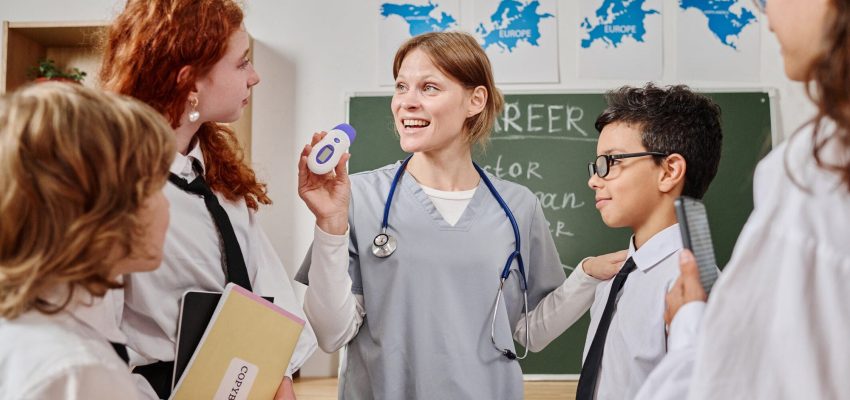

In an era defined by rapid technological advancement and an increasingly complex global health landscape, the demand for skilled, compassionate healthcare professionals has never been more critical. Yet, many high school students, standing on the precipice of their future, often lack a clear understanding of the diverse and rewarding opportunities available within the medical field. Bridging this crucial knowledge gap is paramount, not just for individual students, but for the health and vitality of entire communities.
The city of Detroit, a beacon of resilience and innovation, is once again at the forefront of pioneering solutions. Through initiatives like TalentEd’s ‘Pathways in Practice’ program, the region is taking proactive steps to cultivate its next generation of healthcare leaders. Imagine a classroom where theoretical textbooks give way to real-world insights, where medical professionals step out of clinics and into high schools, bringing the pulse of healthcare directly to eager young minds. This transformative approach is precisely what makes programs like TalentEd’s so vital, effectively illuminating the myriad of Detroit healthcare career pathways for hundreds of students across the region.
### Detroit Healthcare Career Pathways: Bridging the Gap Between Ambition and Opportunity
TalentEd’s ‘Pathways in Practice’ program stands as a testament to the power of direct engagement and experiential learning. Envisioning a future where every student has the opportunity to explore their potential, this initiative, notably ramping up for 2026, strategically links hundreds of high school students with seasoned healthcare workers. These are not merely informational sessions; they are immersive experiences designed to provide a tangible connection to the medical world. Experts — ranging from registered nurses and emergency medical technicians to radiologists, physical therapists, and even healthcare administrators — visit classrooms, transforming them into temporary learning labs. Students aren’t just hearing about careers; they’re experiencing them firsthand through carefully curated, hands-on activities.
Consider a scenario where a nurse demonstrates basic wound care techniques, allowing students to practice on realistic mannequins. Or perhaps a medical technician explains the mechanics of diagnostic imaging, showing actual X-rays or ultrasounds and discussing their role in patient diagnosis. These interactions demystify complex medical procedures and vocations, making them accessible and exciting. Such engagements are far more impactful than traditional career fairs, offering a deeper dive into the day-to-day realities and challenges of various medical professions. They highlight not only the clinical aspects but also the critical soft skills required: empathy, communication, problem-solving, and teamwork. By bringing these professionals directly into the educational environment, the ‘Pathways in Practice’ program effectively illuminates the diverse and often overlooked Detroit healthcare career pathways that extend beyond the well-known roles of doctors and surgeons. It showcases the vast ecosystem of support roles that are equally vital to a functioning healthcare system, from lab technicians to medical coders and health information specialists.
The program’s success lies in its ability to foster genuine interaction. Students have the invaluable opportunity to ask questions, voice concerns, and receive personalized advice from individuals who are actively shaping the healthcare landscape. This mentorship, even if brief, can be profoundly influential, helping students to align their interests with viable career paths and inspiring them to pursue further education and training. For many, these visits serve as the first concrete steps towards understanding what it truly means to be a healthcare professional, providing clarity and purpose in their academic journey.
### Addressing the Critical Need for a Robust Healthcare Workforce
The importance of programs like TalentEd’s cannot be overstated, especially when viewed against the backdrop of a nationwide healthcare workforce shortage. Projections consistently indicate a growing deficit across numerous healthcare professions, from primary care physicians and specialist nurses to mental health professionals and allied health workers. This shortage is exacerbated in urban centers like Detroit, where healthcare disparities can be more pronounced, and the need for a robust, accessible healthcare system is critical for public well-being and economic stability.
Detroit, like many large cities, faces unique challenges in healthcare provision, often grappling with an aging population, chronic disease burdens, and a demand for culturally competent care. Developing local talent pipelines is not just beneficial; it’s essential for creating a sustainable healthcare ecosystem. By investing in programs that expose high school students to Detroit healthcare career pathways, the community is proactively addressing future workforce needs. This approach cultivates a diverse, skilled labor pool that is rooted in the community it serves, fostering a deeper understanding of local health challenges and a greater commitment to improving outcomes.
Moreover, a strong healthcare sector is a significant economic driver. It creates high-paying jobs, attracts investment, and contributes to the overall prosperity of the region. By nurturing an interest in healthcare from a young age, TalentEd is helping to secure Detroit’s economic future while simultaneously building a more resilient health infrastructure. It’s an investment in human capital that yields dividends for individuals, families, and the wider metropolitan area, positioning Detroit as a leader in innovative workforce development strategies.
### Fostering Future Leaders Through Experiential Learning
The impact of experiential learning on student development is well-documented. It transforms abstract concepts into tangible realities, igniting curiosity and fostering a deeper understanding that transcends rote memorization. For high school students, especially those from underserved communities, direct exposure to professionals in fields they might never have considered can be a game-changer. It breaks down perceived barriers, demystifies complex professions, and instills a sense of possibility.
Through ‘Pathways in Practice,’ students gain invaluable insights into the daily routines, ethical dilemmas, and profound rewards that come with a career in healthcare. They learn about the latest medical technologies, the importance of continuous learning, and the collaborative nature of patient care. This early exposure helps them make informed decisions about their academic trajectories, guiding their course selections in high school and their choices for higher education. It’s not just about finding a job; it’s about discovering a vocation and preparing for a fulfilling professional life.
The program also instills a sense of community responsibility. Students witness firsthand how healthcare professionals contribute to the well-being of others, inspiring them to consider how they, too, can make a difference. This cultivation of future leaders is vital. These students, armed with newfound knowledge and inspiration, are more likely to pursue advanced degrees, return to their communities, and contribute meaningfully to addressing local health challenges. The vision for 2026 is clear: to not just fill vacancies but to cultivate passionate, skilled individuals who will elevate the standard of care and innovation within the Detroit healthcare career pathways for decades to come.
In essence, TalentEd’s ‘Pathways in Practice’ is more than just a program; it’s a strategic investment in the human potential of Detroit. It recognizes that the future of healthcare depends not only on scientific breakthroughs but also on the dedicated individuals who deliver care, conduct research, and manage complex health systems. By bringing the world of healthcare directly into high school classrooms, this initiative is empowering students with the knowledge, inspiration, and connections they need to embark on meaningful and impactful careers.
The transformative power of early exposure and mentorship cannot be overstated. As the healthcare landscape continues to evolve, programs like ‘Pathways in Practice’ will be indispensable in nurturing a new generation of professionals equipped to meet future challenges with skill, empathy, and innovation. The efforts in Detroit serve as an inspiring blueprint, demonstrating how targeted educational outreach can effectively shape the workforce of tomorrow, ensuring a healthier and more prosperous future for all.










