

As an AI specialist and someone deeply invested in the intersection of technology and human potential, I often ponder the evolving landscape of education and its crucial role in preparing the next generation. We live in an era defined by rapid technological shifts, where artificial intelligence is not just a buzzword but an integral force reshaping industries, job roles, and societal structures. In this dynamic environment, traditional educational models sometimes struggle to keep pace, leaving a gap between classroom learning and the demands of the modern workforce. This is why initiatives that bridge this divide are not just commendable; they are absolutely essential.
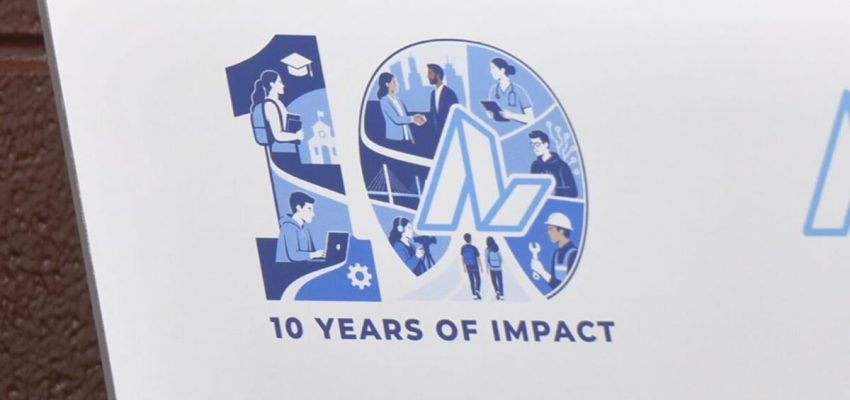
Today, I want to shine a light on one such exemplary program that has been quietly, yet powerfully, transforming lives and local economies for a decade: the **Academies of Louisville**. Marking its tenth anniversary, this program within Jefferson County Public Schools (JCPS) stands as a beacon of forward-thinking education, demonstrating a commitment to connecting students directly with meaningful career pathways, valuable college credits, and indispensable local employers. It’s a testament to how proactive educational strategies can empower young minds and build a resilient, future-ready workforce, even as the challenges and opportunities presented by AI continue to unfold.
Academies of Louisville: A Decade of Shaping Futures
The inception of the **Academies of Louisville** ten years ago was not merely an incremental change; it was a visionary re-imagining of high school education. Recognizing the need for students to gain tangible skills and clear career trajectories before graduation, JCPS embarked on a journey to create a more relevant, engaging, and outcomes-oriented learning experience. The core philosophy was simple yet profound: education should not be a disconnected abstract but a direct conduit to opportunity. By integrating career-themed pathways directly into the high school curriculum, the program aimed to answer the perennial student question, “Why am I learning this?” with clear, real-world applications.
Over the past decade, the impact of these career academies has been nothing short of transformative. Each academy operates as a school within a school, offering specialized learning environments that mirror real-world industries. Students choose from a diverse array of pathways, typically ranging from healthcare, information technology, advanced manufacturing, and engineering to media arts, culinary skills, and business. This choice allows for personalized learning experiences, fostering deeper engagement and a stronger sense of purpose. Crucially, these programs are designed not just to teach theory but to immerse students in practical application, often through hands-on projects, simulations, and real-world scenarios.
The success of the **Academies of Louisville** is multifaceted. On one hand, it addresses a critical need for vocational and technical skills in the local economy. Louisville, like many burgeoning urban centers, faces a demand for skilled labor across various sectors. By aligning academy pathways with regional economic needs, JCPS has created a pipeline of talent, ensuring that graduates are not only prepared for college but also for immediate entry into high-demand careers. Data consistently shows that students engaged in career-technical education programs demonstrate higher graduation rates, increased academic performance, and stronger post-secondary outcomes compared to their peers in traditional tracks.
Beyond direct career preparation, these educational pathways offer students the invaluable opportunity to earn college credits while still in high school. Through dual enrollment agreements with local community colleges and universities, students can gain a significant head start on their higher education, potentially saving thousands in tuition costs and shortening the time required to earn a degree. This dual benefit of career readiness and college preparedness underscores the program’s comprehensive approach to student empowerment. Furthermore, the strong emphasis on local employer partnerships means students gain access to internships, mentorships, and networking opportunities that are invaluable in launching a successful career. These relationships are the lifeblood of the academies, providing industry insights, resources, and critical work-based learning experiences that classroom instruction alone cannot replicate.
Bridging the Gap: Real-World Skills for the AI Era
As we navigate the complexities of the 21st century, particularly with the accelerating pace of AI integration across all sectors, the skills fostered by programs like the **Academies of Louisville** become even more critical. The future workforce will not only need technical proficiency but also a robust set of adaptable human skills – often referred to as ‘soft skills’ or ‘power skills’ – that complement rather than compete with artificial intelligence. These include critical thinking, complex problem-solving, creativity, collaboration, communication, and emotional intelligence. The very structure of these academies, emphasizing project-based learning and teamwork, naturally cultivates these attributes.
Consider a student in an advanced manufacturing academy. While they learn about robotics and automation – technologies heavily influenced by AI – they also develop problem-solving skills when troubleshooting equipment, collaborate with peers on a production line simulation, and communicate effectively when presenting project outcomes. These transferable skills are precisely what future employers will seek in an AI-augmented environment. Similarly, students in a healthcare pathway might utilize AI-powered diagnostic tools or data analytics platforms, but they will also hone empathy, ethical reasoning, and patient communication – skills AI cannot replicate.
The experiential learning model inherent in these career academies provides a crucial bridge between theoretical knowledge and practical application. In an AI era where information is abundant but wisdom is scarce, the ability to apply knowledge, adapt to new tools, and solve novel problems is paramount. By connecting students with local employers, the academies ensure that the curriculum remains relevant to industry standards, incorporating emerging technologies and best practices. This dynamic feedback loop is essential for staying ahead in a rapidly evolving technological landscape. For instance, as generative AI tools become more prevalent, industry partners can inform educators about the necessary proficiencies students will need to effectively utilize these tools ethically and productively in their respective fields.
The emphasis on professional skills, such as resume building, interview techniques, and workplace etiquette, further prepares students for success. These are foundational elements that remain crucial regardless of technological advancements. Moreover, exposure to diverse career paths and working professionals helps students develop a clearer understanding of their interests and aptitudes, making more informed decisions about their post-secondary education and career choices. This self-awareness and intentionality are vital in navigating a job market that demands continuous learning and career agility.
The Future of Education: Personalization, Adaptability, and AI Literacy
Looking ahead, the next decade for programs like the **Academies of Louisville** will undoubtedly be shaped by the continued integration of AI into both society and the learning process itself. The challenge and opportunity lie in leveraging AI to enhance, rather than replace, human-centric education. For instance, AI could revolutionize personalized learning within these academies, tailoring curriculum delivery, pacing, and resource recommendations to each student’s unique needs, learning style, and career aspirations. Adaptive assessment tools powered by AI could provide real-time feedback, allowing educators to intervene proactively and students to self-correct more efficiently.
Furthermore, developing AI literacy must become a central pillar of future-ready education. This doesn’t mean every student needs to become an AI engineer, but every student needs to understand how AI impacts their chosen field, how to interact with AI tools responsibly, and the ethical implications of these powerful technologies. The career academies are perfectly positioned to integrate this AI literacy organically within their specialized pathways. For example, a business academy might explore AI in marketing analytics, while an IT academy delves into machine learning algorithms, and a media arts academy discusses AI in content generation and intellectual property.
Adaptability will be the ultimate currency in the job market of tomorrow. The ability to learn new skills, unlearn outdated methods, and pivot careers will be essential. Education models must therefore prioritize teaching students *how* to learn, fostering a growth mindset and lifelong learning habits. The practical, problem-solving approach of the **Academies of Louisville** inherently cultivates this adaptability, but there’s always room to explicitly integrate modules on future-proofing skills and career resilience in an AI-driven world. This could involve exploring emerging job roles, understanding automation’s impact on tasks, and developing strategies for continuous professional development.
The role of educators in this evolving landscape is more crucial than ever. They are no longer just disseminators of information but facilitators of learning, mentors, and guides who help students navigate complex information ecosystems. Training educators to understand and utilize AI effectively in their teaching, and to foster AI literacy among students, will be key to the continued success and relevance of these academy models. It’s about building a robust educational ecosystem that prepares students not just for specific jobs, but for a future where change is the only constant.
As we celebrate ten years of the **Academies of Louisville**, it’s clear that this initiative is more than just a set of specialized programs; it’s a profound commitment to the future of education and workforce development. By deeply connecting students with careers, college credits, and invaluable local employer partnerships, JCPS has created a model that is both responsive to immediate economic needs and visionary in its preparation for an ever-evolving world.
The next decade will undoubtedly bring new technological advancements and societal shifts, with artificial intelligence at the forefront. However, by continuing to prioritize practical skills, critical thinking, adaptability, and human-centric approaches to technology, the **Academies of Louisville** will remain an indispensable asset, empowering students to thrive as engaged citizens and innovative professionals in the AI era and beyond. It’s a powerful reminder that investing in quality, relevant education is the most profound investment we can make in our collective future.










