
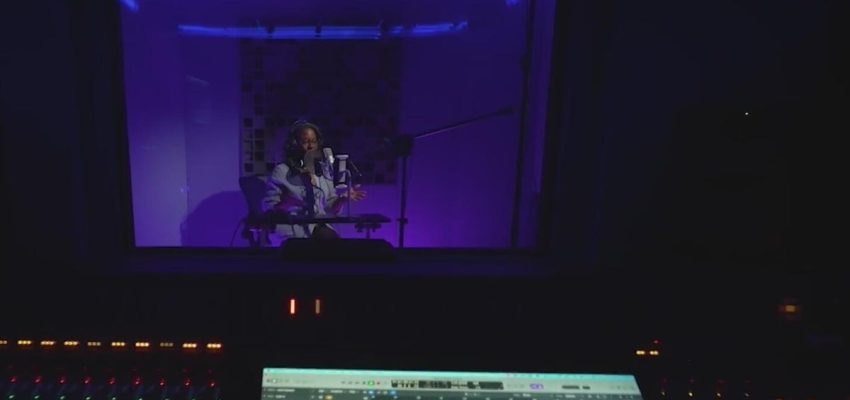

Detroit, a city synonymous with innovation, resilience, and a sound that revolutionized global music, is once again at the forefront of a transformative wave. Beyond its legendary musical heritage – the Motown sound, the pulsating rhythms of techno, the raw energy of rock – lies a thriving ecosystem of professionals who are redefining the boundaries of sound. As an AI specialist and tech enthusiast, I, André Lacerda, am particularly fascinated by how this city’s rich history is harmonizing with cutting-edge technology to sculpt the next generation of careers in audio and digital media.
The demand for immersive and high-quality audio experiences has never been greater. From blockbuster films and immersive video games to the booming podcast industry and the ever-expanding universe of virtual and augmented reality, sound is no longer an afterthought but a cornerstone of engaging content. And in the heart of the Midwest, a dedicated community of experts – the **Detroit audio engineers** – are not just meeting this demand; they are actively shaping the future, building pathways for aspiring creators and technologists.
### Detroit Audio Engineers: Orchestrating the Future of Sound
Detroit’s narrative is intrinsically woven with sound. The city’s unique socio-economic landscape and its vibrant cultural tapestry fostered an environment where music became an expression of identity, innovation, and perseverance. This legacy of creative output, honed in countless studios, basements, and community centers, instilled a profound understanding of sonic artistry and technical precision. Today, this foundational knowledge is being applied to an ever-widening array of digital mediums.
Modern audio engineering is far more expansive than simply recording and mixing music. While music production remains a vital component, the field now encompasses sound design for interactive experiences, forensic audio analysis, broadcast engineering, live sound reinforcement, and the intricate world of post-production for film and television. The professionals operating in this space are not just technicians; they are artists, problem-solvers, and collaborators who bridge the gap between creative vision and technical execution. They are the silent architects of the auditory worlds we inhabit daily, from the subtle nuances of a character’s voice in a video game to the perfectly balanced soundscape of a documentary.
What makes the movement in Detroit particularly compelling is its emphasis on mentorship and community. Drawing from the city’s inherent collaborative spirit, experienced audio professionals are actively investing in the next generation. This often takes the form of hands-on workshops, vocational training programs, and direct apprenticeships that provide practical skills alongside theoretical knowledge. Aspiring engineers learn not just how to operate complex digital audio workstations (DAWs) like Pro Tools, Logic Pro, or Ableton Live, but also the critical art of listening, the science of acoustics, and the business acumen required to thrive in a competitive industry. This holistic approach ensures that individuals entering the field are not just technically proficient but also creatively agile and professionally robust.
Furthermore, the city’s resurgence has attracted new investments in creative infrastructure. State-of-the-art recording studios, multimedia production houses, and collaborative co-working spaces equipped with cutting-edge audio technology are emerging, providing the necessary platforms for these professionals to innovate. This blend of historical legacy, community engagement, and modern infrastructure positions **Detroit audio engineers** at the vanguard of the audio revolution, demonstrating how deep roots can fuel future growth.
### The Evolving Landscape of Digital Media: A New Symphony of Skills
The lines between traditional audio production and broader digital media creation are increasingly blurred. In today’s interconnected world, content is consumed across multiple platforms, often requiring a seamless integration of audio, visual, and interactive elements. This convergence has necessitated a new breed of professionals – those who understand not only sound but also video production, motion graphics, web development, and user experience design. Audio engineers are evolving into versatile digital media specialists, expanding their skill sets to meet these interdisciplinary demands.
Consider the booming podcast industry. A successful podcast requires not just clear audio recording and masterful editing but also compelling storytelling, effective branding through visual assets, and strategic distribution across various platforms. Similarly, in the realm of video game development, sound designers work hand-in-hand with programmers, artists, and game designers to create immersive auditory environments that directly impact gameplay and player engagement. This necessitates an understanding of game engines (like Unity or Unreal Engine), scripting, and the iterative nature of software development.
This shift demands adaptability and a continuous learning mindset. Professionals in Detroit are embracing this challenge, often acquiring new competencies in areas like video editing (e.g., Adobe Premiere Pro, DaVinci Resolve), graphic design, and even basic coding. This makes them highly sought-after in a market that values multi-faceted talent. The ability to manage an entire media project, from initial concept and sound design to final video export and online publication, is becoming increasingly valuable. This “full-stack” approach to media production ensures that content creators can deliver cohesive and high-quality experiences across all touchpoints.
Moreover, the rise of virtual and augmented reality (VR/AR) presents an exciting new frontier for digital media professionals. Crafting spatial audio for VR environments, designing interactive soundscapes that respond to user movement, and ensuring auditory cues enhance the sense of presence are specialized skills that are in high demand. Detroit’s forward-thinking audio and media experts are exploring these emergent technologies, positioning the city as a hub for innovation in immersive experiences. This proactive approach to embracing new frontiers is a testament to the dynamic nature of digital media careers being forged in the city.
### Innovation and Accessibility: Lowering the Bar to Entry, Raising the Standard of Excellence
The democratization of technology has profoundly impacted the audio and digital media industries. What once required prohibitively expensive studios and specialized equipment can now, to a significant extent, be achieved with relatively affordable software and hardware. High-quality microphones, powerful computers, and sophisticated digital audio workstations are more accessible than ever before, enabling a wider range of individuals to experiment, learn, and create. This lowered barrier to entry is fostering an unprecedented surge in independent content creators and entrepreneurial ventures, transforming the landscape of media production.
However, while tools are accessible, true excellence still requires expertise, dedication, and a deep understanding of the craft. This is where the experienced **Detroit audio engineers** play a crucial role. They are not merely teaching how to use software; they are imparting the principles of good sound, the nuances of storytelling through audio, and the discipline required for professional-level output. They understand that while AI tools can assist, they don’t replace human creativity, critical listening, and artistic judgment.
Artificial intelligence, in particular, is becoming an intriguing co-pilot in this journey. AI-powered mastering services can provide a quick, professional polish to tracks. AI algorithms can assist with noise reduction, automatically transcribe audio, or even generate preliminary musical ideas or sound effects based on user inputs. Voice synthesis technology, powered by advanced AI, is opening new avenues for narration and character voices, particularly in areas like e-learning and accessibility. These tools allow engineers to automate mundane tasks, freeing up their time for more creative and complex problem-solving. It’s a testament to the adaptive nature of these professionals that they view AI not as a threat, but as an exciting extension of their capabilities, enabling them to work more efficiently and explore new creative territories.
Furthermore, the focus on vocational training and practical education in Detroit ensures that individuals from diverse backgrounds have the opportunity to enter these fields. Programs that emphasize hands-on experience, real-world projects, and direct industry connections are vital. This commitment to accessibility ensures a rich talent pool and contributes to a more inclusive and dynamic media industry. The entrepreneurial spirit thrives, with many graduates starting their own studios, production companies, or offering freelance services, contributing directly to the local economy and creative ecosystem.
In essence, Detroit is demonstrating how to blend its iconic past with a technologically advanced future. The city’s audio and digital media scene is a vibrant example of how heritage can inform innovation, how community can foster talent, and how human ingenuity, amplified by technology, can create entirely new professional horizons. The dedicated individuals leading this charge are not just building careers; they are crafting the sonic and visual fabric of tomorrow’s digital world.
As the world continues its rapid digitalization, the demand for skilled audio and digital media professionals will only intensify. Detroit, with its unique blend of historical resonance and forward-looking vision, is exceptionally positioned to meet this demand. The **Detroit audio engineers** and digital media specialists are not merely participants in this evolution; they are its driving force, demonstrating that the future of sound and storytelling is being built, one meticulously crafted waveform and pixel at a time, in the Motor City. Their work reminds us that while technology continually evolves, the human passion for creation and the power of community remain the most vital ingredients for true innovation.










