

In an era increasingly shaped by algorithms, artificial intelligence, and unprecedented technological acceleration, it’s easy to become captivated by the marvels of the digital. We discuss neural networks, quantum computing, and the potential of machines to innovate, automate, and even create. Yet, beneath this fascinating surface, the fundamental human drive to express, to learn, and to connect remains the most potent force for progress and joy. It is this intrinsic human spark, the raw, unyielding passion for creation, that truly propels our world forward, often finding its greatest strength not in sophisticated code, but in the simplest acts of support and community.
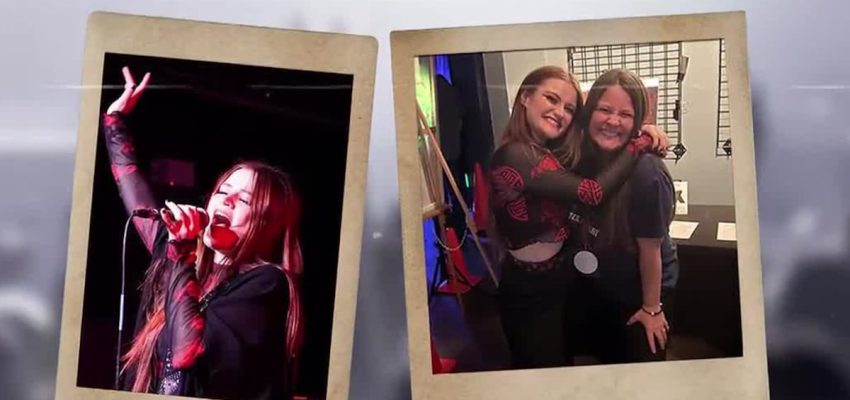
It’s within this context that I, as an AI specialist deeply invested in the future of human-technology interaction, find particular resonance in stories that highlight the enduring power of human initiative. Take, for instance, the genesis of ‘On Stage Now,’ a non-profit organization founded by Stephanie Seipel. Her journey began not with a grand technological vision, but with a mother’s earnest desire to support her youngest daughter, Paige, in pursuing her burgeoning passion for music. Stephanie encountered a familiar hurdle: the struggle to find accessible, high-quality resources to nurture Paige’s musical aspirations. This seemingly simple, deeply personal challenge sparked a realization that echoed far beyond her own family: countless aspiring artists faced similar barriers, hindered not by lack of talent, but by lack of opportunity and support structures. In a world awash with information, truly valuable, actionable resources can remain elusive, proving that even with all our digital advancements, the human element of discovery and facilitation remains paramount. This endeavor, born from a singular maternal insight, serves as a powerful reminder that while technology can offer immense leverage, the spark of human passion and the necessity of real-world support are irreplaceable catalysts for the growth of talent.
Empowering Creativity: A Universal Imperative in a Digital Age
The story of On Stage Now, though rooted in the specific realm of music, offers profound insights into a universal challenge: how do we effectively nurture talent and provide opportunities in an increasingly complex and often fragmented world? Stephanie Seipel’s experience with Paige illuminates a fundamental truth: passion, no matter how intense, often requires external scaffolding to truly flourish. The difficulty she faced in securing resources for her daughter is a microcosm of a broader societal issue. Whether it’s an aspiring musician, a budding scientist, or a young programmer eager to learn AI, the path from nascent interest to professional competence is often fraught with obstacles – financial constraints, lack of mentorship, insufficient access to tools, and the sheer challenge of navigating an overwhelming landscape.
In the digital age, this paradox is even more pronounced. On one hand, the internet offers an unprecedented wealth of information and tools. Online tutorials, digital audio workstations (DAWs), and global communities are readily available. Yet, this abundance can also lead to paralysis by analysis, making it harder for individuals to find personalized, structured pathways. The sheer volume of content can obscure quality resources, and the lack of face-to-face interaction can leave aspiring artists feeling isolated and unsupported. This is precisely where initiatives like On Stage Now step in, acting as vital bridges between raw talent and tangible opportunity.
On Stage Now, as Stephanie envisioned it, transcends merely providing instruments or lessons. It aims to create a holistic environment where young musicians can thrive. This includes offering free access to musical instruments, providing professional instruction, securing performance opportunities, and facilitating crucial networking within the music industry. Such initiatives are, in essence, building human-centric ecosystems for talent development. They understand that fostering talent requires more than just tools; it demands mentorship, community, validation, and a clear path forward. In the tech world, we often talk about “open-source” communities and the power of collaborative development. These are digital analogues of what On Stage Now achieves in the physical realm: creating a shared space where resources are pooled, knowledge is exchanged, and collective growth is prioritized. Imagine the impact if we could replicate this ethos, this spirit of truly empowering creativity, across all domains, using technology not just as an end, but as a magnificent amplifier.
From an AI perspective, we can analyze such a non-profit as a highly efficient, human-powered data-gathering and resource-allocation system. Stephanie, through her lived experience, identified a critical market gap. Her solution, while organic, addresses core challenges that data science could help quantify and optimize: identifying underserved populations, tracking success metrics, and personalizing resource recommendations. While On Stage Now might not explicitly use AI, its operational principles—matching needs with resources, fostering skill development, and creating networks—are ripe for technological augmentation. For instance, AI could help map available musical resources geographically, identify emerging talent patterns in online submissions, or even personalize learning paths based on a student’s progress and interests. The goal isn’t to replace the human touch, but to extend its reach and impact, ensuring that the next Paige doesn’t have to struggle alone.
The Symphony of Support: Orchestrating Opportunities with Human and Algorithmic Intelligence
The practical support offered by organizations like On Stage Now is multifaceted and critical. For an aspiring musician, access to instruments can be a significant barrier. Quality lessons from experienced instructors are often costly. Finding venues to perform and gain experience, or connecting with industry professionals, can feel insurmountable without guidance. On Stage Now meticulously addresses these pain points. They provide everything from guitars and keyboards to studio recording time, from one-on-one vocal coaching to workshops on music business essentials. This comprehensive approach recognizes that nurturing an artist means tending to their technical skills, their artistic expression, their stage presence, and their understanding of the professional landscape. It’s a holistic commitment to empowering creativity at every level.
The ‘human touch’ in these interactions is irreplaceable. A mentor’s encouragement, a peer’s collaboration, the shared energy of a live performance – these elements build resilience, confidence, and a sense of belonging that no algorithm can fully replicate. This is a crucial lesson for the tech industry as well: while AI can analyze data, automate tasks, and provide insights, the deepest forms of human connection and empathy remain our unique domain. The true power lies in the synergy between these two forces.
Consider how AI and advanced technology could elegantly complement these human-led efforts. For personalized music education, AI tutors could offer adaptive learning modules, identifying specific areas where a student needs improvement and providing tailored exercises. Imagine an AI-powered platform that analyzes a musician’s compositions, offering constructive feedback on melody, harmony, and rhythm, or even suggesting stylistic influences based on their nascent sound. In the realm of music production, AI tools are already democratizing access, allowing aspiring artists to master tracks with professional quality or even generate background arrangements, reducing reliance on expensive studios or engineers. AI could also play a significant role in talent discovery, sifting through countless online submissions to identify unique vocal qualities or innovative compositional styles that might otherwise get lost in the noise, much like an intelligent A&R scout. Predictive analytics could help non-profits optimize resource allocation, anticipating demand for specific instruments or lessons, and ensuring that funds are directed where they can have the greatest impact. Furthermore, AI-driven networking platforms could intelligently connect emerging artists with collaborators, mentors, and even potential audiences worldwide, breaking down geographical barriers that Stephanie Seipel likely encountered when seeking resources for Paige.
However, as an AI specialist, I must emphasize the ethical dimension. The goal is augmentation, not replacement. AI should empower artists, giving them more tools and greater reach, rather than diminishing the value of human intuition or artistic originality. The human artist must remain at the center, using AI as a brush, a chisel, or an amplifier, ensuring that technology serves human expression, not dictates it. This thoughtful integration is key to truly empowering creativity in a meaningful and sustainable way.
Beyond the Stage: Fostering Resilient Talent Ecosystems for the Future
The long-term impact of initiatives like On Stage Now extends far beyond the individual artist. By providing a stable foundation, they contribute to building a resilient and vibrant cultural ecosystem. When young talents are nurtured, they not only develop their own skills but also contribute to the collective creative pool, inspiring others, and potentially becoming mentors themselves in the future. This creates a virtuous cycle of talent development and community building. In any field, from music to cutting-edge AI research, the strength of an ecosystem is determined by its ability to support and reproduce talent.
Technology has an unparalleled capacity to scale these efforts, transforming local initiatives into global movements. Imagine online platforms that allow musicians from different continents to collaborate seamlessly, using AI-powered translation and synchronization tools. Virtual mentorship programs could connect experienced professionals with aspiring artists across geographical divides. Global reach for local initiatives means that a non-profit founded in one valley could inspire or even directly support artists worldwide, expanding its mission of empowering creativity to an unprecedented scale.
This concept of ‘talent pipelines’ is crucial for the future. Early intervention and sustained support, as championed by On Stage Now, are fundamental to cultivating innovation in any discipline. Whether it’s fostering musical prodigies or nurturing the next generation of AI engineers, the principles remain the same: identify potential, provide resources, offer guidance, and create an environment where experimentation and growth are encouraged. The future of work and creativity will increasingly be a hybrid model, where human intuition, critical thinking, and artistic flair are empowered and extended by intelligent tools. The ‘soft skills’ that On Stage Now inherently cultivates – resilience in the face of setbacks, the ability to collaborate, the unwavering pursuit of passion – are precisely the qualities that will differentiate humans in an increasingly automated world. These are the skills that AI cannot replicate, but can certainly benefit from, as humans continue to define the problems and ethical boundaries for technology.
For those of us in the technology and AI sectors, there’s a clear call to action. Supporting grassroots initiatives that cultivate human talent, creativity, and community is not just philanthropy; it’s an investment in the very human capital that drives innovation. By partnering with or drawing inspiration from organizations like On Stage Now, tech leaders and companies can explore how their platforms, data, and expertise can amplify these essential human-centric efforts. We have the tools to connect, to educate, and to empower like never before. The challenge, and the opportunity, lies in deploying these tools thoughtfully, ensuring they serve to uplift human potential rather than overshadow it.
The story of Stephanie Seipel and Paige, leading to the formation of On Stage Now, is a testament to the enduring power of human passion and the transformative impact of dedicated support. It reminds us that while our technological advancements push the boundaries of what’s possible, the fundamental drive for expression and creation remains deeply human. Initiatives that focus on truly empowering creativity are not just about helping individuals; they are about enriching our collective culture, fostering innovation, and building resilient communities that can thrive in any era.
As we continue to build more intelligent systems and explore the frontiers of AI, let us never lose sight of the human element. The most impactful technologies will always be those that amplify our inherent strengths, unlock new avenues for expression, and provide the scaffolding for human potential to reach its fullest height. By merging the compassionate foresight of individuals like Stephanie with the scalable power of technology, we can orchestrate a future where every aspiring talent, whether in music, art, science, or technology, has the resources and support to turn their passion into a reality, creating a richer, more vibrant world for us all.










