
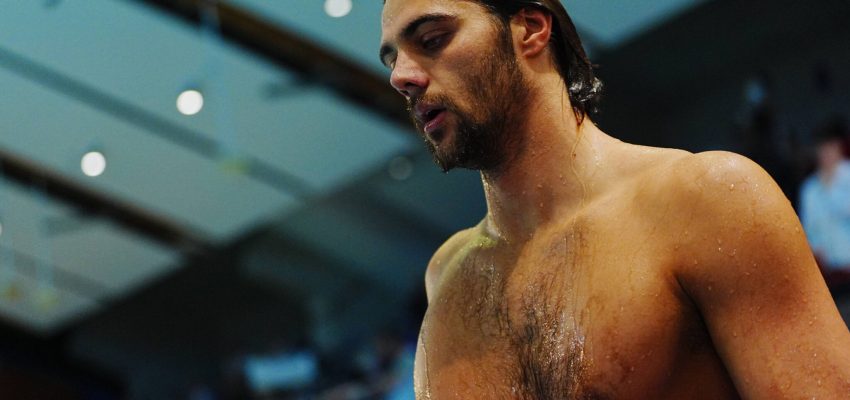

In the high-stakes world of elite sports, where every stroke, every jump, and every sprint is meticulously analyzed, athletes are often perceived as machines of peak performance. Yet, beneath the veneer of unwavering determination and physical prowess lies a profound human experience, replete with its own vulnerabilities, doubts, and internal battles. Recently, the swimming community was sent into a ripple of speculation and concern following a cryptic Instagram story posted by Italian superstar Thomas Ceccon. His message, a simple yet loaded question: “Last race of my career tomorrow?!” resonated far beyond the pool deck, reigniting vital discussions surrounding the very essence of **athlete motivation** and the immense pressures that accompany life at the pinnacle of sport.
Ceccon, a name synonymous with power and precision in the backstroke and freestyle disciplines, is no stranger to the spotlight. A multi-medalist at global championships, including a stunning world record in the 100m backstroke at the 2022 World Aquatics Championships in Budapest, his career has been a testament to relentless training and an unyielding competitive spirit. Such a pronouncement from an athlete seemingly in his prime, at just 23 years old, inevitably begs the question: What could possibly lead a champion to publicly contemplate such a drastic step? This incident offers a crucial window into the often-hidden struggles of elite performers and challenges us to look beyond the medals and records to the individual behind them.
Athlete Motivation: Beyond the Finish Line
The journey of an elite athlete is frequently romanticized, depicted as a linear ascent fueled by an innate passion for their sport. While intrinsic desire undoubtedly plays a foundational role, the reality is far more intricate. Athlete motivation is a dynamic and multifaceted construct, constantly influenced by a myriad of internal and external factors. Initially, the sheer joy of the sport, the camaraderie, and the pursuit of personal improvement are powerful drivers. However, as athletes climb the ranks, the stakes escalate dramatically. The pressure shifts from personal bests to national records, from local meets to Olympic finals, and from self-satisfaction to national expectations.
Consider the daily regimen of a swimmer like Thomas Ceccon. It involves waking before dawn for punishing practices, logging countless kilometers in the water, meticulously adhering to a strict diet, and enduring rigorous strength and conditioning sessions. This relentless grind is not merely physical; it is an immense mental and emotional toll. The constant demand for perfection, the sacrifice of a typical youth, the isolation that often accompanies intensive training camps, and the ever-present threat of injury can erode even the strongest resolve. For many, the sport becomes their identity, blurring the lines between who they are and what they do. This deep integration means that any questioning of their athletic path can feel like a questioning of their very self.
The concept of burnout is particularly relevant here. Sports psychologists widely recognize burnout as a state of physical and emotional exhaustion, often accompanied by a reduced sense of accomplishment and devaluation of the sport. It’s not simply feeling tired; it’s a profound loss of enthusiasm and meaning. While the original content hints at “recent comments about motivation” from Ceccon, the specific nature of those comments remains publicly elusive. However, it’s not uncommon for athletes to voice general frustrations about the repetitive nature of training, the pressure to maintain peak performance, or the personal sacrifices required. These subtle cues, when viewed in retrospect, can often foreshadow more public expressions of doubt, much like Ceccon’s Instagram story.
The global stage amplifies these challenges. At major international competitions, athletes carry the hopes of their nations. This external pressure, coupled with personal aspirations, can create an almost unbearable burden. Post-Olympic or World Championship periods are particularly susceptible to motivational dips. After dedicating years to a singular goal, achieving it (or falling short) can leave an emotional void, a feeling of ‘what’s next?’ Many athletes describe a profound sense of disorientation once the intensity of a major cycle concludes. The emotional come-down can be steep, leaving them vulnerable to self-doubt and existential questions about their future in the sport. Maintaining intrinsic **athlete motivation** through these troughs is a monumental task.
The Double-Edged Sword of Social Media and Public Scrutiny
In the digital age, athletes are more connected than ever to their fans, but this connection comes with its own set of challenges. Social media platforms, while offering a direct line for engagement and personal branding, also expose athletes to unprecedented levels of public scrutiny and expectation. A fleeting thought, a moment of vulnerability, or a spontaneous query can instantly become a global headline. Thomas Ceccon’s Instagram story is a prime example of this phenomenon. Posted perhaps in a moment of genuine contemplation or emotional fatigue, it immediately went viral, sparking a flurry of media reports and fan reactions.
This instantaneous amplification means that athletes must navigate their private thoughts and public personas with extreme caution. What might have once been a private conversation with a coach or a close family member now becomes a public declaration, open to interpretation, speculation, and often, unhelpful judgment. The ‘question mark’ in Ceccon’s post is particularly telling; it suggests uncertainty, a genuine internal debate, rather than a definitive statement. Yet, in the public sphere, a question can often be perceived as an imminent decision, adding layers of pressure on the athlete to provide immediate clarification or justify their emotions.
Moreover, the sheer volume of information and constant comparison with peers on social media can contribute to mental health struggles. Athletes are often under immense pressure to project an image of unwavering strength and success, making it difficult to openly express struggles or doubts without fear of appearing weak or uncommitted. The increasing dialogue around mental health in sports, championed by figures like Simone Biles, has been crucial in destigmatizing these conversations. However, the path to openly discussing vulnerability without career repercussions remains challenging for many.
Navigating the Crossroads: What Lies Ahead for Ceccon and Others?
Thomas Ceccon’s cryptic post serves as a poignant reminder that elite athletes, despite their extraordinary abilities, are fundamentally human. They experience the same doubts, pressures, and emotional fluctuations as anyone else, albeit under a magnified lens. His situation is not unique; history is replete with examples of athletes who have wrestled with similar crossroads. From Michael Phelps candidly discussing his struggles with depression after achieving unparalleled success, to tennis star Ashleigh Barty retiring at the peak of her career, citing a loss of motivation and a desire to pursue other passions, the narrative of a champion contemplating an exit is a recurring theme.
These moments are often pivotal. They can lead to a renewed sense of purpose after a period of rest and reflection, a strategic break to recalibrate and rediscover joy in the sport, or indeed, a genuine pivot towards a new chapter in life. For Ceccon, the coming days and weeks will likely bring further clarity. Whether his Instagram story was a transient expression of frustration, a test of public sentiment, or a sincere contemplation of retirement, it undoubtedly highlights the need for robust support systems for athletes – not just physically, but mentally and emotionally.
The ecosystem surrounding elite sports must evolve to prioritize the well-being of its athletes. This includes greater access to sports psychologists, flexible training schedules that allow for mental breaks, and cultures that encourage open dialogue about mental health without fear of stigma. Ultimately, the longevity and fulfillment of an athlete’s career are not solely measured by medals, but by their ability to navigate the complex journey with their physical and mental health intact. Thomas Ceccon’s brief, yet impactful, message forces us all to ponder the true cost of greatness and the profound depth of **athlete motivation** required to sustain it.
In conclusion, Thomas Ceccon’s enigmatic message transcends a simple social media post; it is a profound commentary on the human side of elite sports. It reminds us that behind every record-breaking performance and every glittering medal is an individual grappling with immense pressure, relentless demands, and the continuous internal battle to sustain passion. The discussion it has sparked is invaluable, shining a light on the often-overlooked mental and emotional resilience required to thrive in such a demanding environment.
As we await further news from Ceccon, his situation serves as a powerful call to action for the sports community: to foster environments where athletes feel empowered to voice their struggles, where their holistic well-being is prioritized, and where the conversation around **athlete motivation** extends far beyond the simplistic narratives of unwavering drive. Only then can we truly support these extraordinary individuals in navigating their careers, ensuring that their journey, however long or short, is one of sustained fulfillment, both in and out of the competitive arena.










