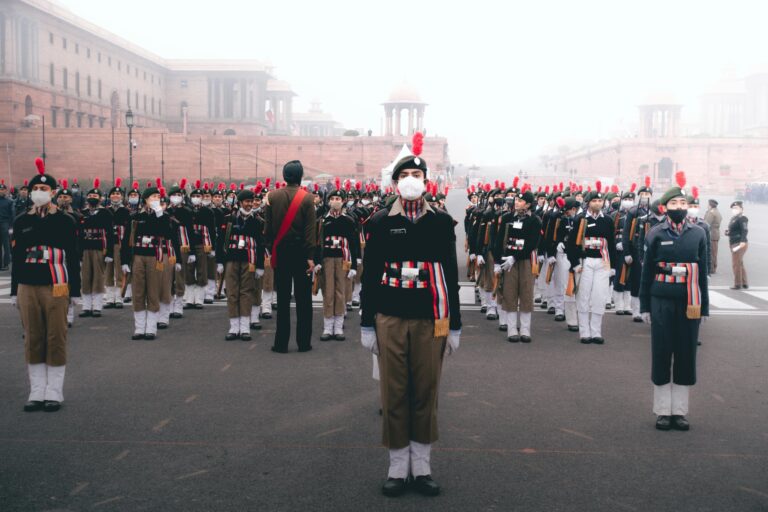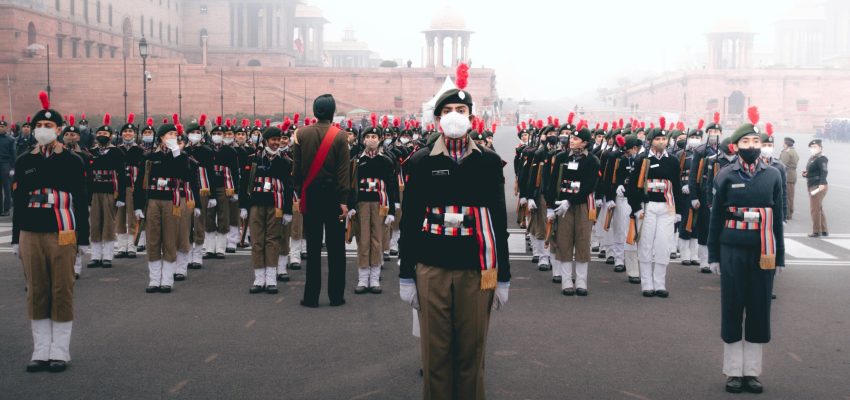

The image of a nation’s armed forces often conjures ideals of strength, discipline, and unwavering commitment to duty. In modern times, it also increasingly represents a microcosm of society’s progress, reflecting its values and commitment to equality. India, a vibrant democracy with a rapidly evolving social landscape, is no exception. Its armed forces are among the largest and most respected globally, yet beneath the surface of uniformed valor, a significant challenge persists: systemic discrimination against its female personnel.
A recent study has brought to light the pervasive nature of this discrimination, indicating that women serving in the Indian Armed Forces face deeply ingrained biases and obstacles at every stage of their military careers. This revelation, while perhaps not entirely surprising to those familiar with gender dynamics within traditional institutions, underscores a critical need for introspection and comprehensive reform. As an AI specialist and tech enthusiast, I’ve always been fascinated by systems – how they operate, where their inefficiencies lie, and how they can be optimized for better outcomes. The armed forces are, in essence, a complex system, and understanding the friction points for women in the Indian Armed Forces is crucial for its overall operational excellence and ethical integrity.
### Women in the Indian Armed Forces: Unveiling Systemic Challenges
The integration of women into the Indian Armed Forces has been a gradual process, marked by both progress and persistent resistance. Historically, women’s roles were largely confined to medical services. It wasn’t until the early 1990s that women were permitted to join as officers in non-medical branches, albeit initially on short service commissions. This was a pivotal moment, opening doors to streams like the Army Service Corps, Ordnance Corps, Education Corps, and later, the Corps of Military Police, the Indian Air Force, and the Indian Navy. However, the path forward has been anything but smooth, characterized by legal battles and sustained advocacy efforts.
The systemic discrimination identified in the recent study manifests across multiple critical junctures of a military career, beginning even before enlistment. Recruitment standards, often designed with male physiology and traditional combat roles in mind, can inadvertently (or overtly) create barriers for women. While physical standards are essential for military service, rigid adherence to benchmarks that do not account for biological differences, without a clear operational justification, can be discriminatory. Furthermore, subtle biases can creep into psychological assessments or interview processes, where preconceived notions about women’s suitability for command or high-stress environments may unconsciously influence decisions.
Once admitted, the training phase can also present disparities. While many efforts have been made to provide equitable training, access to certain specialized courses or facilities might still be restricted for women. Infrastructure, a seemingly minor detail, often plays a significant role; inadequate or gender-insensitive accommodation, sanitation, and changing facilities can create practical hurdles and reinforce a sense of being ‘othered’. These initial experiences shape a servicewoman’s perception of her place within the institution and can affect her confidence and long-term career aspirations. The journey of women in the Indian Armed Forces is, therefore, often one of continuous adaptation to a system not originally built for their complete inclusion.
### Navigating the Labyrinth of Military Service: Discrimination at Every Turn
The heart of systemic discrimination often lies in career progression, where subtle biases can have profound cumulative effects. One of the most significant hurdles has been the denial of permanent commissions (PC) and command appointments. For many years, women officers were largely relegated to short service commissions, meaning they had limited career tenure and were ineligible for pensions, effectively creating a glass ceiling that prevented them from rising to senior ranks or holding strategic command positions. This not only limited their professional growth but also stripped them of the security and benefits accorded to their male counterparts.
It took landmark rulings by the Supreme Court of India – notably in 2020 for the Army and 2021 for the Navy and Air Force – to mandate permanent commissions for women officers in all non-combat branches and to allow them to hold command positions. These judicial interventions were monumental, recognizing that excluding women from command roles on grounds of “physical attributes” or “social norms” was unconstitutional and discriminatory. While these rulings marked a significant victory, the implementation has been gradual, with reports suggesting continued resistance and delays in fully integrating women into these roles. The transition requires not just policy changes but also a profound cultural shift within the institution.
Beyond formal policies, discrimination often manifests in more subtle ways. Women officers might find themselves consistently passed over for challenging field postings or strategic assignments deemed crucial for career advancement, instead being shunted to ‘softer’ administrative roles. This indirectly affects their annual confidential reports (ACRs) and overall career trajectory, making it harder to compete for promotions or higher command. The challenges extend to work-life balance, where the military, like many traditional organizations, struggles to provide adequate support systems. Maternity leave, childcare facilities, and sympathetic posting policies are crucial for retaining talented women in the Indian Armed Forces, yet these are often insufficient or inconsistent, forcing many to make difficult choices between career and family.
Furthermore, the workplace environment itself can be fraught with challenges. Microaggressions, gender stereotypes, and a lack of mentorship from senior officers (who are predominantly male) can create an isolating atmosphere. The persistent issue of sexual harassment and assault, although a problem in militaries worldwide, is often exacerbated by rigid hierarchies and a culture of silence, making it difficult for women to report incidents without fear of professional repercussions. Addressing these issues requires robust complaint mechanisms, comprehensive sensitization training, and a strong commitment from leadership to foster an inclusive and respectful environment.
### Beyond the Barracks: Socio-Cultural Underpinnings and the Path Forward
The systemic discrimination against women in the Indian Armed Forces cannot be fully understood without acknowledging the broader socio-cultural context of India. The military, being a conservative institution, often reflects and amplifies the prevailing patriarchal norms of society. Traditional notions of masculinity and a ‘warrior ethos’ have historically shaped military identity, making the integration of women a complex process that challenges deep-seated beliefs about gender roles, strength, and leadership. While society is slowly evolving, these cultural biases can create an invisible barrier, influencing attitudes, decision-making, and interpersonal dynamics within the forces.
However, the tide is turning, not just in India but globally. Nations like the United States, the United Kingdom, Canada, Australia, and Israel have made significant strides in integrating women into combat roles and command positions, recognizing that diversity is not merely a matter of social justice but a strategic imperative. Diverse teams, including those with robust gender representation, have been shown to be more adaptable, innovative, and effective in complex operational environments. The inclusion of women brings new perspectives, enhances problem-solving capabilities, and broadens the military’s appeal to a wider talent pool, ultimately strengthening national security.
The path forward for the Indian Armed Forces requires a multi-pronged approach. Firstly, there must be a genuine, top-down commitment from leadership to enforce existing legal mandates and proactively dismantle discriminatory practices. This involves reviewing and revising all policies – from recruitment and training to promotions and postings – to ensure gender neutrality and equity. Infrastructure must be upgraded to be gender-sensitive, and support systems like comprehensive childcare and family-friendly policies need to be robustly implemented.
Secondly, a significant investment in cultural transformation is essential. This includes regular and mandatory gender sensitization training for all personnel, aimed at combating unconscious biases and fostering an inclusive mindset. Mentorship programs specifically designed for women can help bridge the gap created by a lack of female senior officers. Finally, robust and transparent mechanisms for addressing grievances, particularly those related to harassment and discrimination, are crucial to build trust and accountability. The continued importance of studies like the one referenced cannot be overstated; data-driven insights are indispensable for identifying specific areas of concern and measuring the efficacy of reform efforts.
In conclusion, the revelation of systemic discrimination against women in the Indian Armed Forces is a sobering reminder that even institutions dedicated to defending a nation’s ideals can harbor deep-seated inequalities. The challenges are complex, rooted in historical practices and socio-cultural norms, impacting every aspect of a woman’s military career from entry to progression and beyond. Addressing these issues is not just a matter of upholding constitutional rights and human dignity; it is a strategic imperative for India’s defense establishment.
The journey towards a truly inclusive and equitable military is ongoing, requiring sustained effort, visionary leadership, and a collective willingness to embrace change. By proactively dismantling barriers, fostering a culture of respect, and investing in the full potential of all its personnel, the Indian Armed Forces can not only enhance its operational effectiveness but also stand as a beacon of progressive values, embodying the strength and fairness it pledges to protect for the nation it serves. The future of warfare and national security demands adaptability, and true strength lies in leveraging the diverse talents of all citizens.