

In an era defined by rapid technological advancement, the landscape of creativity, education, and career development is continually being reshaped. For young people, the pathway to future success increasingly hinges not just on traditional academic knowledge, but on a robust foundation of digital literacy and an understanding of emerging technologies, particularly artificial intelligence. As an AI specialist and fervent advocate for technological accessibility, I often reflect on the foundational steps required to equip the next generation for a world where AI is not merely a tool, but an integral part of daily life and professional practice.
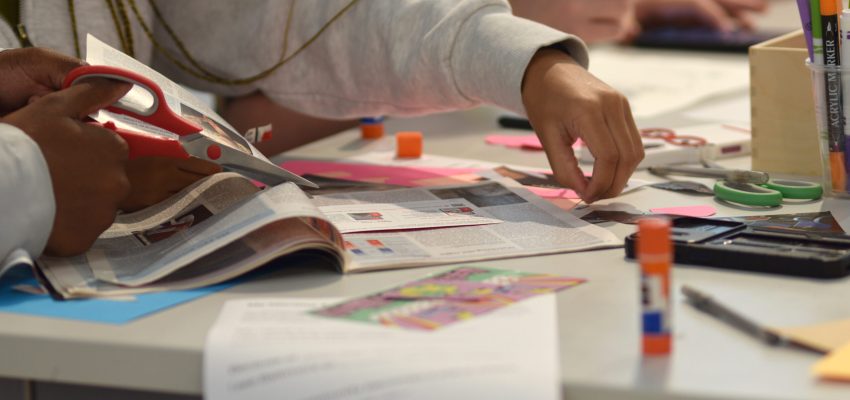
Consider the vital work being done in communities like Baltimore, where programs are actively engaging youth with essential resources. Initiatives like the YouthWorks program, for instance, offer young individuals access to a full photography studio, new computers, and a comprehensive array of art supplies at Wide Angle Youth Media. On the surface, this might seem like a traditional approach to fostering creativity and skill development. However, beneath the veneer of familiar tools lies a profound opportunity: to bridge the gap between conventional artistic expression and the cutting edge of digital innovation, preparing these young minds for an AI-powered future they are destined to inherit. This integrated approach is not just about teaching skills; it’s about cultivating a mindset of adaptability and innovation that is crucial for navigating tomorrow’s challenges.
### Youth Digital Empowerment: Bridging the Creative and Technological Divide
The provision of resources such as a fully equipped photography studio, state-of-the-art computers, and diverse art supplies by programs like YouthWorks through Wide Angle Youth Media represents far more than just a summer activity; it is a critical investment in **Youth Digital Empowerment**. In today’s digital economy, access to technology is no longer a luxury but a fundamental necessity. Many young people, particularly those from underserved communities, face significant barriers to accessing the very tools that define modern education and career pathways. By offering these resources, YouthWorks directly addresses the digital divide, providing a tangible pathway for students to engage with technology in a meaningful, hands-on way.
A photography studio, for example, is no longer solely about operating a camera and developing film. In the contemporary context, it is a gateway to understanding digital image processing, graphic design, visual storytelling, and even the nascent fields of computational photography and AI-assisted art. Modern photography workflows often involve sophisticated software for editing, compositing, and even generating elements. Learning these skills on ‘new computers’ means students are not just learning to click a shutter; they are learning digital asset management, software proficiency, and the principles of visual communication in a digital realm. Similarly, access to diverse art supplies, when paired with digital tools, fosters a hybrid creativity, allowing students to translate traditional artistic concepts into digital mediums and vice versa. This blend of analog and digital skills is increasingly valuable, as AI tools are often designed to augment, rather than replace, human creativity.
The implications of this empowerment extend beyond artistic expression. Proficiency with computers cultivates logical thinking, problem-solving abilities, and an understanding of digital ethics – all foundational components for future roles in any field, from engineering to entrepreneurship. For instance, the mere act of organizing digital files, troubleshooting software, or collaborating on digital projects builds a suite of soft skills that are highly transferable. When youth are given the opportunity to experiment, create, and even fail in a supportive technological environment, they develop resilience and an intrinsic motivation to learn and adapt. This direct, unfettered access is the bedrock upon which genuine digital fluency is built, giving these students a significant advantage as they step into an increasingly competitive and technologically driven world.
### Cultivating Future Innovators: AI at the Intersection of Art and Technology
The presence of ‘new computers’ and a photography studio in a youth program carries immense potential for introducing the next generation to the transformative power of artificial intelligence. While not explicitly stated as an AI program, the foundation laid by these tools naturally leads to exploring AI’s role in creative industries. Imagine a student in the photography studio, not just learning to edit photos manually, but experimenting with AI-powered tools for image enhancement, object removal, style transfer, or even generating unique backgrounds. These are not distant future applications; they are capabilities widely available today, democratizing complex creative tasks and allowing individuals to realize visions previously requiring extensive technical expertise.
AI is rapidly becoming an indispensable co-creator in artistic fields. Generative AI models, for instance, can assist in concept development, creating mood boards, or even generating initial drafts of visual content based on text prompts. Understanding how to interact with these models, often referred to as ‘prompt engineering,’ is a burgeoning skill that blends linguistic precision with artistic vision. For young people equipped with foundational digital and artistic skills, the transition to engaging with AI as a creative partner is seamless. They learn not just *what* AI can do, but *how* to direct it, critically evaluate its outputs, and ethically integrate it into their creative process.
Furthermore, the ‘new computers’ provided can serve as launchpads for understanding the very basics of AI. Even without delving into complex coding, students can engage with user-friendly interfaces that demonstrate machine learning principles—for example, training simple image recognition models or exploring data visualization tools. This kind of experiential learning demystifies AI, transforming it from an abstract, intimidating concept into a tangible, controllable tool. It encourages critical thinking about how AI processes information, identifies patterns, and makes decisions, preparing them not just to use AI, but to understand its implications and ethical considerations. The intersection of art and technology, empowered by AI, fosters a generation of innovators who can not only wield digital tools but also contribute to their development and responsible application. This prepares them for a future where adaptability and interdisciplinary skills are paramount, enabling them to shape the technological landscape rather than merely react to it.
### Beyond the Classroom: Sustaining Growth and Impact
For programs like YouthWorks to sustain their profound impact, especially in the rapidly evolving realm of AI, ongoing adaptation and strategic foresight are crucial. The initial investment in a photography studio and new computers is a powerful first step, but the true challenge lies in keeping pace with technological advancements and ensuring the curriculum remains relevant. This requires a dynamic approach to content delivery, continuous professional development for instructors, and an openness to integrate the latest software and hardware iterations. As AI technologies evolve daily, so too must the educational frameworks designed to prepare young people.
Community programs play an invaluable role in democratizing access to cutting-edge education. Public-private partnerships, for instance, can help secure funding for upgraded equipment, access to specialized AI software licenses, and expert mentorship from professionals in the tech industry. Such collaborations ensure that the benefits of **Youth Digital Empowerment** are not fleeting but enduring. Beyond technical skills, these programs foster essential life skills such as teamwork, communication, and project management – qualities that are highly valued in any AI-driven workplace. Students learn to present their work, collaborate on creative projects, and navigate the iterative process of creation and revision, mirroring real-world professional environments.
Ultimately, the long-term impact of programs that empower youth with technological and creative skills extends far beyond individual career pathways. It contributes to building more resilient, innovative, and equitable communities. By equipping young people with the tools to understand and harness AI, we are not just preparing them for jobs; we are empowering them to become active participants in shaping the future. They will be the ones creating the next generation of AI applications, addressing societal challenges, and driving economic growth. Fostering a critical understanding of AI also means instilling a sense of responsibility regarding its ethical implications, data privacy, and potential biases, ensuring that the technology is used for good. This holistic approach ensures that the investment in youth today yields dividends for society tomorrow, creating a future workforce that is not only skilled but also thoughtful and ethically aware.
In an increasingly interconnected world, where artificial intelligence continues to redefine possibilities across every sector, programs that provide tangible resources and foster digital literacy are more critical than ever. The work of initiatives like YouthWorks, in offering youth access to foundational tools and creative outlets, lays the essential groundwork for future innovation. It teaches them to see technology not as a barrier, but as a boundless canvas for their imagination.
As we look ahead, the imperative is clear: we must continue to invest in and champion programs that prioritize **Youth Digital Empowerment**. By nurturing curiosity, providing access to essential technology, and fostering creative exploration, we are not merely preparing young people for the jobs of tomorrow; we are empowering them to become the architects of an intelligent, innovative, and inclusive future. The intersection of creativity and artificial intelligence holds limitless potential, and it is through the hands and minds of our youth that this potential will truly be realized.










