
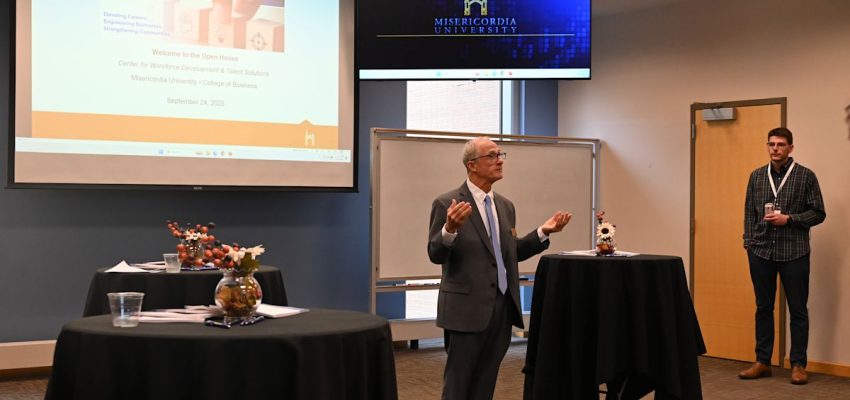

The landscape of work is undergoing a seismic shift. From the relentless march of automation to the emergence of entirely new industries, the skills required for success are constantly evolving. This dynamic environment presents both immense challenges and unparalleled opportunities. For individuals, it’s a call to continuous learning; for businesses, a demand for agile talent acquisition; and for educational institutions, a vital role in bridging the gap between current competencies and future needs. It is within this critical context that institutions like Misericordia University are stepping up, demonstrating a profound commitment to regional prosperity and individual empowerment. Their recent Workforce Development Open House wasn’t just an event; it was a beacon, showcasing a robust strategy for cultivating the talent essential for a thriving 21st-century economy, particularly through innovative workforce development programs.
Workforce Development Programs: A Crucial Response to Evolving Economies
The global economy stands at a pivotal juncture. Rapid technological advancements, shifting consumer behaviors, and unforeseen disruptions have created what economists refer to as a ‘skills gap.’ This phenomenon describes the mismatch between the skills employers need and the skills available in the workforce. According to a report by the World Economic Forum, it’s estimated that over half of all employees globally will require significant reskilling or upskilling by 2025 to adapt to new job roles and industry demands. This isn’t merely a statistical abstraction; it’s a tangible challenge felt keenly in local communities and across diverse sectors, from advanced manufacturing and healthcare to information technology and renewable energy.
Universities, traditionally bastions of higher education focused on degree-granting, are increasingly recognizing their expanded role as dynamic catalysts for practical, career-focused training. They possess the infrastructure, the pedagogical expertise, and the community trust to become central hubs for talent development. Misericordia University, through its Center for Workforce Development and Talent Solutions, exemplifies this proactive approach, especially with its suite of workforce development programs. The open house held on September 24th was more than a promotional event; it was a strategic gathering designed to spotlight the university’s growing influence in advancing workforce readiness throughout the region. It brought together a synergistic mix of community members eager for new career trajectories, business leaders seeking to cultivate a skilled talent pipeline, and fellow educators committed to responsive curricula.
Attendees at the open house were not simply presented with information; they engaged in a vibrant dialogue about the future of work. The atmosphere fostered collaboration, with interactive sessions allowing participants to explore various training pathways offered by these workforce development programs. Expert instructors were on hand to discuss program specifics, while representatives from local industries shared insights into current and future talent demands. Testimonials from past participants often underscored the life-changing impact of these initiatives, illustrating direct pathways to employment, significant career advancement, or the acquisition of new, high-demand skills. These are not merely academic exercises; they are tangible solutions designed to equip individuals with the competencies needed to thrive in a competitive job market. The expansion of these workforce development programs is a critical answer to the evolving demands of the 21st-century workplace.
Misericordia’s Strategic Vision: Cultivating Regional Talent
The ‘innovative career training programs’ showcased by Misericordia University are a testament to their deep understanding of regional economic needs. These workforce development programs are not one-size-fits-all solutions, but rather carefully curated offerings designed to target specific skill shortages and emerging opportunities. While the original snippet doesn’t list specific programs, we can infer the breadth and depth of such initiatives based on typical successful university-led efforts. For example, in the rapidly expanding technology sector, programs might include fast-track certifications in cybersecurity, data analytics, or cloud computing, equipping participants with crucial digital literacy and technical prowess. These fields are experiencing explosive growth, with a consistent demand for skilled professionals, making targeted workforce development programs essential.
Beyond technology, the healthcare sector is a perennial source of demand for skilled professionals. Misericordia, with its strong reputation in health sciences, would likely offer accelerated training for critical support roles such as medical assistants, phlebotomists, medical coding specialists, or patient care technicians. These roles are vital to the smooth functioning of healthcare systems and offer stable, rewarding career paths. Furthermore, for industries like advanced manufacturing or logistics, which often form the backbone of regional economies, the university could be developing specialized training in automation, supply chain management, or mechatronics. The variety of these workforce development programs ensures a comprehensive approach to skill enhancement across the board.
Crucially, these workforce development programs also prioritize ‘soft skills’ – often referred to as essential professional skills – which are universally valued by employers. Training in project management, leadership, effective communication, critical thinking, and digital collaboration is frequently integrated into technical curricula. Employers consistently report that while technical skills can be taught, these foundational professional attributes are often the differentiator for long-term career success. By combining technical expertise with robust professional development, Misericordia ensures its graduates are not just skilled technicians, but adaptable, well-rounded professionals prepared for a dynamic workplace. Such holistic workforce development programs are key to fostering truly capable talent.
The design and delivery of these workforce development programs are often a collaborative endeavor. Misericordia University likely works closely with local businesses, chambers of commerce, and economic development agencies to conduct needs assessments, ensuring that the curriculum directly addresses the most pressing demands of employers. This strategic partnership model is fundamental to the success of any meaningful workforce initiative, guaranteeing relevance and maximizing employment outcomes for participants. It’s a testament to the effectiveness of community-driven workforce development programs.
The Broader Impact: Building Resilient Communities Through Education
The ripple effect of robust workforce development programs extends far beyond individual career advancement and immediate business needs. For individuals, these initiatives offer a vital pathway to upward mobility, providing flexible learning options—often shorter in duration than traditional degrees—that lead directly to industry-recognized certifications or credentials. This accessibility makes professional growth attainable for a wider segment of the population, including those seeking a career change, re-entering the job market, or simply wishing to enhance their current skill set without committing to a multi-year degree. The inclusivity of these workforce development programs empowers diverse segments of the community.
For businesses, the benefits are equally profound. By actively participating in and benefiting from these programs, companies gain a direct pipeline of pre-qualified, highly competent candidates. This significantly reduces recruitment costs and onboarding time, allowing businesses to maintain productivity and innovate more effectively. Investing in regionally developed talent also fosters greater employee loyalty and helps cultivate a more resilient, adaptable workforce capable of navigating future disruptions and technological shifts. In an era where talent acquisition is a major competitive differentiator, having a university partner dedicated to cultivating local expertise through targeted workforce development programs is an invaluable asset.
On a community level, a well-trained and adaptable workforce is a cornerstone of economic vitality. Such initiatives attract new businesses to the region, stimulate entrepreneurship, and drive overall economic growth. When local residents have access to opportunities for skill enhancement and career progression, it leads to higher earning potential, increased consumer spending, and a stronger tax base. This creates a virtuous cycle where educational investment fuels economic prosperity, which in turn demands further investment in education and training, fostering a sustainable ecosystem of growth and opportunity. Misericordia University’s commitment in this area positions it not just as an educational institution, but as a crucial economic engine for the entire region through its dedicated workforce development programs.
Looking Ahead: The Collaborative Path to a Skilled Future
The success of the Workforce Development Open House at Misericordia University underscores a fundamental truth: addressing the evolving demands of the job market requires a concerted, collaborative effort. No single entity can tackle the complexities of the skills gap alone. It necessitates strong partnerships between academia, industry, government, and community organizations. Misericordia’s Center for Workforce Development and Talent Solutions serves as an exemplary model for how such collaboration can be effectively institutionalized and scaled, particularly through its array of workforce development programs.
Looking to the future, the emphasis will continue to be on agility and foresight. As new technologies emerge and existing industries transform, the workforce development programs must remain nimble, adapting their curricula to stay ahead of the curve. This will involve continuous dialogue with industry leaders, ongoing research into labor market trends, and a commitment to innovative pedagogical approaches. The goal is not just to react to current needs, but to proactively prepare the workforce for the jobs of tomorrow, ensuring long-term relevance for these vital workforce development programs.
Misericordia University’s proactive stance in addressing the critical need for robust workforce development is a testament to its forward-thinking vision. The open house served as a powerful demonstration of their commitment to fostering talent, bridging economic disparities, and empowering both individuals and industries within the region. By providing accessible, relevant, and innovative career training programs, the university, through its focused workforce development programs, is not only responding to the immediate demands of the labor market but is actively shaping a more prosperous and equitable future for all.
As the world of work continues its rapid evolution, the role of institutions like Misericordia University becomes increasingly indispensable. Their dedication to creating a skilled, adaptable workforce will undoubtedly continue to drive regional economic growth and enhance the quality of life for countless individuals. It’s a clear illustration that investing in education and talent development isn’t just an expense; it’s the most powerful investment a community can make in its own future, especially through well-designed workforce development programs.










