
The world of artificial intelligence is a breathtaking landscape of innovation, challenges, and unprecedented opportunities. From revolutionizing industries to redefining human-computer interaction, AI’s trajectory is steep, exhilarating, and constantly shifting. For professionals looking to build or advance their careers in this dynamic field, the path can often feel like an uncharted wilderness. This is where guidance becomes not just beneficial, but truly indispensable. As André Lacerda, an AI specialist, writer, and tech enthusiast, I’ve witnessed firsthand how crucial structured support systems are in transforming potential into profound impact.
Navigating the nuances of machine learning algorithms, understanding the ethical implications of autonomous systems, or even simply choosing the right specialization within AI requires more than just technical aptitude. It demands foresight, strategic thinking, and the wisdom of those who have trodden similar paths. While online courses and certifications offer foundational knowledge, they often lack the personalized, contextualized insights that only human experience can provide. This article delves into the transformative power of **AI mentorship** programs, exploring how they serve as vital catalysts for professional growth, leadership development, and career advancement in the age of artificial intelligence.
### AI Mentorship: Navigating the Future of Technology
At its core, **AI mentorship** is a collaborative relationship where an experienced professional (the mentor) guides and supports a less experienced individual (the mentee) in their journey within the artificial intelligence domain. Unlike general career counseling or traditional education, AI-specific mentorship delves into the unique intricacies of this rapidly evolving field. It encompasses everything from mastering specific programming languages and frameworks (like Python, TensorFlow, PyTorch) to understanding complex theoretical concepts (neural networks, reinforcement learning, natural language processing). But it goes far beyond technical skills.
In an area characterized by hyper-specialization and rapid obsolescence, a seasoned AI mentor can help a mentee discern enduring principles from fleeting trends. They can provide insights into emerging technologies, such as quantum machine learning or explainable AI (XAI), long before they become mainstream. They can also offer critical perspectives on the ethical considerations inherent in AI development – a topic of increasing global concern. For instance, understanding bias in datasets, ensuring fairness in algorithms, and addressing issues of privacy and accountability are not just academic exercises; they are practical challenges that demand thoughtful, experienced guidance. A mentor can help a mentee develop a strong ethical framework, which is becoming as vital as technical prowess for any AI professional. According to a 2023 IBM study, 85% of global consumers say it’s important that AI systems are fair, transparent, and trustworthy, underscoring the growing demand for ethically minded AI talent.
The demand for AI talent is skyrocketing. PwC predicts that AI could contribute up to $15.7 trillion to the global economy by 2030, fueling an exponential increase in AI-related job roles. However, the talent gap remains a significant hurdle. Reports from LinkedIn consistently show AI skills among the most in-demand globally, yet companies struggle to find candidates with the right blend of technical expertise, problem-solving abilities, and soft skills. Mentorship bridges this gap by facilitating hands-on learning, real-world project insights, and direct access to industry best practices that formal education alone cannot fully replicate. It transforms theoretical understanding into practical application, a critical differentiator in a competitive job market.
Moreover, the AI landscape is remarkably interdisciplinary. Success often requires blending expertise from computer science, statistics, cognitive science, and even philosophy or social sciences. An effective AI mentor can help a mentee navigate these diverse domains, connecting them with relevant resources, networks, and opportunities that might otherwise remain unseen. This holistic approach ensures that mentees develop not just as proficient technicians, but as well-rounded, strategic thinkers capable of contributing meaningfully to complex AI projects.
### The Transformative Power of Guided Growth in AI
Engaging in a dedicated **AI mentorship** program offers a multitude of benefits for both mentees and mentors, fostering a symbiotic relationship that elevates the entire AI community. For mentees, the advantages are profound and far-reaching. Firstly, it accelerates skill development. Mentors, having often tackled similar challenges, can offer shortcuts, debug thought processes, and provide practical advice on tooling, methodologies, and problem-solving strategies that are invaluable. They can review code, offer architectural insights, and suggest resources tailored to the mentee’s specific learning style and goals.
Secondly, mentorship provides invaluable career pathing. The AI field is vast, with specializations ranging from natural language processing engineers and computer vision scientists to machine learning operations (MLOps) specialists and AI product managers. A mentor can help a mentee identify their strengths, interests, and potential growth areas, guiding them toward a fulfilling career trajectory. They can demystify job roles, help with resume building, conduct mock interviews, and share insights into company cultures and hiring practices within leading tech firms or innovative startups. A study by the Association for Talent Development found that 75% of executives credit mentorship with playing a key role in their career success, highlighting its impact on professional trajectories.
Beyond technical and career guidance, mentorship builds confidence and resilience. The world of AI is replete with complex problems and iterative failures; imposter syndrome is common. A supportive mentor can provide encouragement, validate efforts, and help mentees develop a growth mindset, transforming setbacks into learning opportunities. This emotional and psychological support is critical for sustained engagement and success in a demanding field.
For mentors, the rewards are equally significant. Becoming an AI mentor is a powerful way to give back to the community and contribute to the development of the next generation of AI leaders. It offers a unique opportunity for leadership development, refining communication, coaching, and strategic thinking skills. Explaining complex concepts to a mentee often solidifies a mentor’s own understanding and forces them to stay current with the latest advancements. Furthermore, mentors gain fresh perspectives from their mentees, who might bring new ideas, innovative approaches, or familiarity with emerging tools, ensuring that the mentor’s own knowledge base remains dynamic and relevant. This reciprocal learning environment helps senior professionals avoid stagnation and remain at the cutting edge of AI innovation.
Many leading tech companies, recognizing these benefits, have formalized their own **AI mentorship** initiatives. Companies like Google, Microsoft, and Amazon have internal programs designed to pair junior engineers and researchers with seasoned AI experts. These programs not only foster individual growth but also cultivate a stronger internal talent pipeline, reduce employee turnover, and enhance overall team productivity and innovation. External organizations and communities, such as Women in AI, AI Guild, or specialized online platforms, also play a vital role in connecting aspiring AI professionals with experienced guides, creating a rich ecosystem of support.
### Building Effective AI Mentorship Programs and Relationships
Establishing and nurturing successful **AI mentorship** programs requires thoughtful design and a commitment from both mentors and mentees. For individuals seeking a mentor, the first step is often self-reflection: What are your goals? What specific skills do you want to develop? What kind of guidance are you looking for—technical, career, or broader professional development? Clearly defining these needs helps in identifying a suitable mentor.
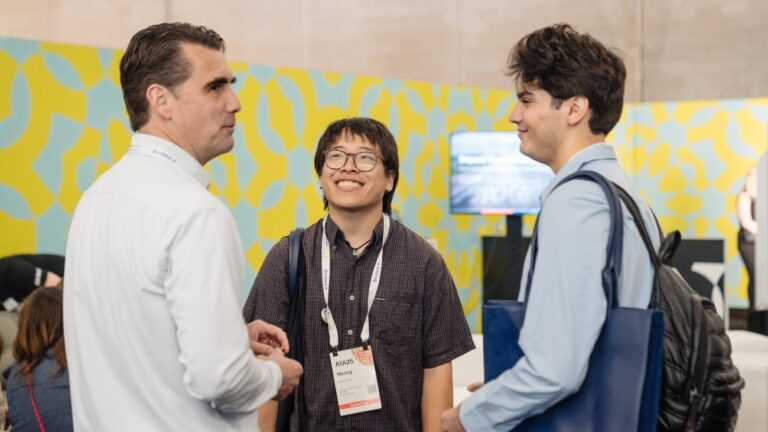
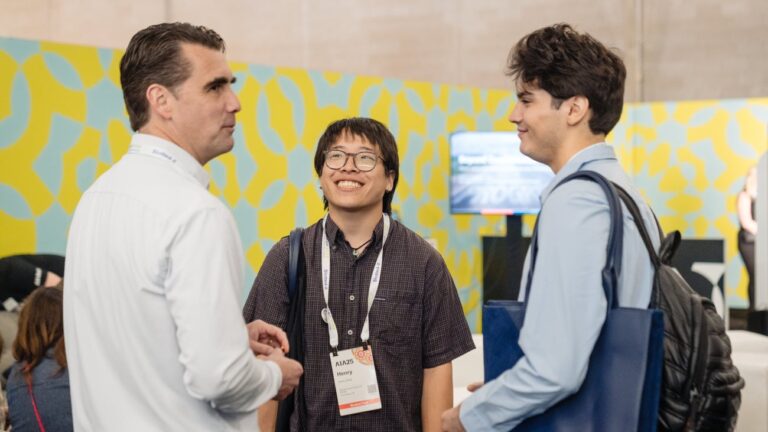
Networking plays a crucial role. Attending AI conferences, workshops, webinars, and joining online communities (e.g., LinkedIn groups, Reddit communities like r/MachineLearning, Discord servers) can expose you to potential mentors. Don’t be afraid to reach out respectfully, clearly stating why you admire their work and how you believe they could help you. Be specific about your needs, but also flexible; a formal mentorship agreement isn’t always necessary for valuable guidance to begin.
For organizations looking to implement or enhance their AI mentorship programs, several best practices emerge. Firstly, clear program objectives are essential. Is the goal to accelerate onboarding, foster leadership, improve specific technical skills, or promote diversity and inclusion within AI teams? Defining these goals helps in structuring the program and measuring its success. Secondly, effective mentor-mentee matching is paramount. While some programs rely on algorithms, a human touch often yields better results, considering personalities, expertise alignment, and mutual availability.
Training for both mentors and mentees can significantly improve outcomes. Mentors might benefit from guidance on active listening, providing constructive feedback, and setting boundaries. Mentees can learn how to articulate their needs, prepare for meetings, and take ownership of their development. Regular check-ins, facilitated by the program administrators, can ensure the relationship remains productive and address any emerging challenges. Flexible formats, including virtual meetings and asynchronous communication, are also vital, especially in a globalized field where professionals often work remotely or across different time zones.
The best mentorship relationships are built on trust, mutual respect, and a shared commitment to growth. They are not about the mentor providing all the answers, but about guiding the mentee to discover their own solutions. They foster a sense of psychological safety where mentees feel comfortable asking “dumb” questions or admitting weaknesses, knowing they will receive support rather than judgment. Ultimately, the effectiveness of any AI mentorship initiative lies in its ability to create a supportive environment where knowledge is freely shared, skills are continuously honed, and the human potential within the AI realm is fully unleashed.
In a world increasingly shaped by artificial intelligence, the investment in human connection and guided development has never been more critical. The rapid pace of innovation, the ethical complexities, and the sheer volume of knowledge required to thrive in AI demand a sophisticated approach to professional growth. **AI mentorship** programs stand out as beacons of support, providing personalized guidance that transcends traditional learning methods.
They equip individuals not only with the technical prowess to innovate but also with the wisdom and ethical grounding to do so responsibly. As we continue to push the boundaries of what AI can achieve, fostering a robust culture of mentorship will be paramount to ensuring a future where artificial intelligence truly serves humanity’s best interests. Let us, as professionals, collectively embrace the responsibility and the immense opportunity that mentorship offers, building a stronger, more knowledgeable, and more ethically conscious AI community for generations to come.