

The dawn of the artificial intelligence era marks a pivotal moment in human history. From revolutionizing industries to redefining our daily interactions, AI’s transformative power is undeniable. Yet, amidst the algorithms, neural networks, and vast datasets, a crucial element often takes center stage: human talent. It is the ingenuity, vision, and dedication of individuals that truly drive this technological revolution. Just as previous generations invested in the skilled trades that built our modern infrastructure, today we face an urgent imperative to cultivate the next wave of AI specialists, ensuring a future where this powerful technology serves humanity’s highest aspirations. As an AI specialist and enthusiast, I am continually inspired by the potential AI holds, but equally aware that this potential can only be fully realized through strategic, sustained investment in the people who will build, guide, and ethically deploy it.
Indeed, the rapid acceleration of AI technologies has created an unprecedented demand for skilled professionals across a spectrum of disciplines. The job market is already reflecting this shift, with roles such as machine learning engineer, data scientist, AI researcher, and prompt engineer topping lists of high-demand positions. According to a recent LinkedIn report, AI skill mentions on profiles have grown by 14x since 2016, and roles requiring AI skills have seen substantial salary increases. This isn’t merely about coding; it encompasses a broader need for critical thinkers who understand the societal implications of AI, ethicists who can steer its development responsibly, and creative minds who can envision novel applications. The foundational support for these emerging ‘trades’ of the 21st century is paramount, mirroring the spirit of community initiatives that have historically empowered students to pursue vital career paths. Without a robust pipeline of talent, even the most advanced AI models will struggle to translate into real-world solutions that truly benefit society.
AI Career Development: Nurturing the Minds Shaping Tomorrow
What does it truly mean to invest in AI career development? It extends far beyond merely offering programming courses. It involves creating comprehensive ecosystems that foster learning, mentorship, and practical experience from foundational levels to advanced research. This holistic approach ensures that aspiring AI professionals are not only technically proficient but also possess the interdisciplinary understanding necessary to navigate the complexities of AI’s impact. Consider the burgeoning fields within AI: from natural language processing and computer vision to robotics and autonomous systems, each requires specialized knowledge. Furthermore, emerging roles such as AI project managers, ethical AI consultants, and even AI content creators highlight the diverse opportunities available. Supporting these pathways means providing accessible educational resources, whether through university scholarships, vocational training programs, or free online courses from platforms like Coursera and edX, which have seen massive enrollment in AI-related specializations.
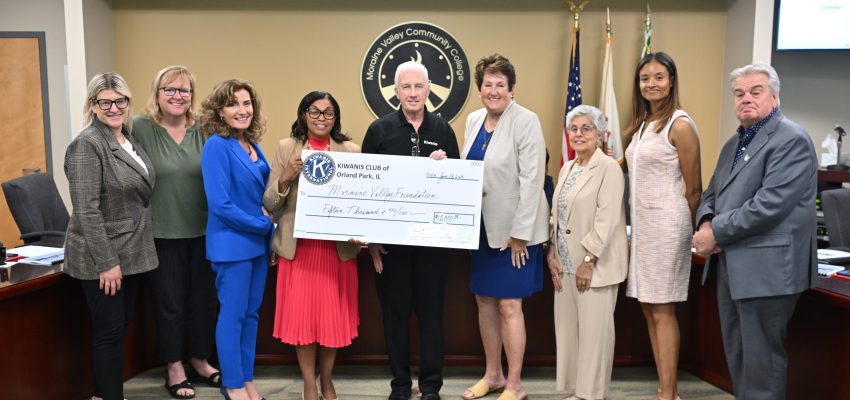
Scholarships and grants play a particularly vital role in democratizing access to this rapidly evolving field. For many talented individuals, the financial barrier to entry into advanced technical education can be insurmountable. Philanthropic organizations, corporate sponsors, and even government initiatives are stepping up, recognizing that investing in an individual’s **AI career development** is an investment in collective progress. For instance, programs that offer full tuition support for students pursuing degrees in AI, machine learning, or data science can unlock potential that might otherwise remain untapped. Beyond traditional academic routes, support for bootcamps, apprenticeships, and hackathons also provides crucial hands-on experience, bridging the gap between theoretical knowledge and practical application. These initiatives are not just about monetary aid; they symbolize a belief in the future capabilities of these students and the transformative impact they can have on our world. It’s about empowering them to build not just a career, but to contribute to the very fabric of our technological future.
Bridging the Skill Gap: Collaborative Ecosystems for AI Talent
The global demand for AI skills far outstrips the current supply, creating a significant skill gap that threatens to hinder innovation and economic growth. Bridging this gap requires a concerted, collaborative effort involving multiple stakeholders. Universities must adapt their curricula swiftly, integrating the latest advancements in AI and focusing on practical, project-based learning. Industry leaders have a responsibility to partner with educational institutions, providing internships, real-world case studies, and opportunities for faculty to gain practical experience. This synergy ensures that graduates are equipped with relevant, in-demand skills upon entering the workforce. Furthermore, government policies can play a crucial role by funding research, incentivizing AI education, and creating regulatory frameworks that foster responsible innovation. Countries like Canada and the UK have already invested heavily in national AI strategies that include significant provisions for talent development and educational pathways. Such collaborative ecosystems are essential for creating a vibrant environment where **AI career development** can flourish at every level, from K-12 STEM programs designed to spark early interest to executive education for leaders grappling with AI’s strategic implications.
Moreover, diversity and inclusion are not just ethical imperatives but strategic advantages in AI development. A diverse workforce brings varied perspectives, experiences, and problem-solving approaches, leading to more robust, fair, and innovative AI systems. Efforts to promote **AI career development** must intentionally reach underserved communities and underrepresented groups, ensuring that the benefits and opportunities of the AI revolution are broadly shared. Initiatives like AI4ALL and Black in AI are excellent examples of how targeted programs can foster inclusive participation, breaking down barriers and empowering individuals from all backgrounds to contribute to AI. By nurturing a wide range of talents and perspectives, we can create AI solutions that are more equitable, less biased, and truly reflective of the global society they are designed to serve. This is not just about filling jobs; it’s about building a future where AI benefits everyone, not just a select few.
Beyond Code: The Human Element in AI’s Future
While technical proficiency in areas like machine learning, deep learning, and data engineering forms the bedrock of an AI career, the future of AI career development increasingly emphasizes skills beyond pure coding. Critical thinking, creativity, ethical reasoning, and strong communication are becoming equally, if not more, important. As AI systems become more sophisticated and autonomous, the human role shifts from merely programming to designing, overseeing, and ensuring the ethical deployment of these intelligent agents. This means that liberal arts graduates, philosophers, psychologists, and legal experts also have vital roles to play in shaping AI’s trajectory. Understanding human behavior, societal norms, and ethical frameworks is crucial for developing AI that aligns with human values and avoids unintended consequences. The demand for ‘AI ethicists’ or ‘AI governance specialists’ is a testament to this evolving landscape.
The emphasis on these ‘soft skills’ underscores a fundamental truth: AI, at its core, is a human endeavor. It is created by humans, for humans. Therefore, programs that integrate technical training with humanities, social sciences, and ethics will produce the most well-rounded and impactful AI professionals. Consider the implications of AI in healthcare, finance, or criminal justice; the technical solutions must be underpinned by a deep understanding of human well-being, fairness, and accountability. Investing in this broader spectrum of skills ensures that AI doesn’t just advance technologically but also progresses responsibly and beneficially for all of humanity. This comprehensive approach to **AI career development** is what will truly define the success and societal integration of artificial intelligence in the decades to come.
The journey of artificial intelligence is still in its nascent stages, yet its trajectory is clear: it will profoundly reshape our world. As an AI specialist, writer, and tech enthusiast, I believe the most critical investment we can make is not solely in better algorithms or more powerful hardware, but in the human minds that will conceive, build, and guide these innovations. The spirit of supporting students in vital career programs, as exemplified by community initiatives worldwide, must now extend robustly to the realm of AI. By investing strategically in **AI career development** – through accessible education, diverse programs, and a holistic skill-building approach – we empower individuals to become the architects of a future where AI serves as a powerful tool for progress, equity, and human flourishing.
Let us embrace this challenge and opportunity with vision and commitment. Nurturing the next generation of AI talent is not just about filling job vacancies; it’s about safeguarding our future, ensuring that the power of artificial intelligence is wielded with wisdom, responsibility, and a deep understanding of its profound impact on society. The dividends of such an investment will be immeasurable, paving the way for a brighter, more intelligent, and more humane tomorrow for everyone.










