

The journey from academic pursuit to professional success is often paved with challenges, not least among them the daunting task of making a strong first impression. For students nearing graduation or embarking on internships, the right professional attire can be as crucial as a well-honed resume. Recognizing this pivotal need, institutions like West Virginia University’s Davis College of Agriculture & Natural Resources are stepping up with impactful, community-driven solutions. Their recent launch of the Career Closet initiative exemplifies a profound commitment to student empowerment, providing accessible resources that go beyond textbooks and lecture halls. As an AI specialist and tech enthusiast, I find such foundational support inspiring, as it lays the groundwork for holistic development that emerging technologies, particularly artificial intelligence, are poised to further amplify. This article delves into the significance of such initiatives and explores how the intersection of human empathy and technological innovation is redefining the landscape of modern career preparedness.
### Career Preparedness: A Foundational Pillar for Student Success
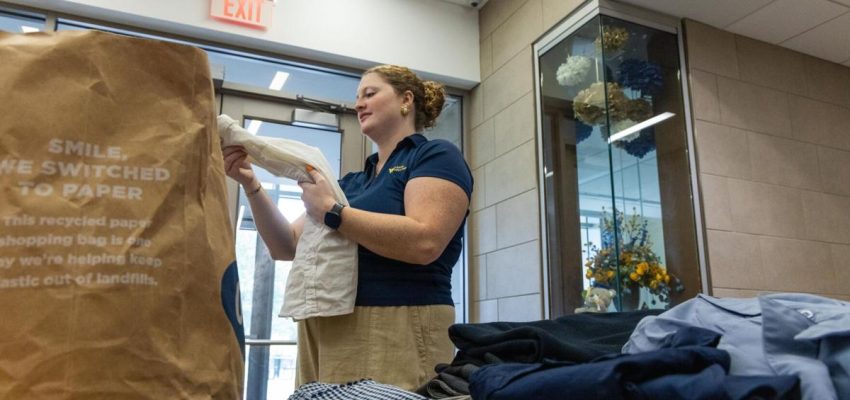
The Davis College Career Closet at West Virginia University (WVU) is more than just a collection of professional clothing; it’s a beacon of opportunity. Launched with the explicit aim of ensuring all students have access to appropriate attire for interviews, career fairs, and professional events, this initiative addresses a fundamental barrier many aspiring professionals face. The reality for many university students, particularly those from socioeconomically diverse backgrounds, often includes financial constraints that make purchasing professional clothing a significant burden. According to data from the National Association of Colleges and Employers (NACE), the average cost of professional attire can range from hundreds to thousands of dollars, a considerable sum for individuals managing tuition fees, living expenses, and often student loan debt. The WVU Davis College, through the generosity of donations from faculty, staff, alumni, and community members, has curated a diverse inventory of suits, blazers, dress shirts, skirts, slacks, and accessories, all available free of charge to students. This tangible support not only alleviates financial stress but also instills a crucial sense of confidence. When a student feels adequately dressed for a high-stakes interview, their focus shifts from wardrobe worries to showcasing their skills and personality, dramatically improving their chances of success. This initiative is a shining example of how universities can cultivate a truly inclusive environment, ensuring that the pathway to professional employment is equitable for all, regardless of their financial circumstances. It underscores the belief that competence should always outweigh economic capacity when it comes to seizing opportunities. Indeed, the concept of comprehensive career preparedness extends far beyond academic achievements, encompassing practical elements that empower individuals to navigate the professional world effectively.
### Beyond the Wardrobe: Holistic Development in the Digital Age
While a professional outfit provides an indispensable physical advantage, true career preparedness in the 21st century demands a multifaceted approach. The modern job market is dynamic, requiring candidates to possess a blend of hard skills, soft skills, and a strategic understanding of personal branding. Beyond dressing for success, students must master the art of interviewing, effective networking, compelling resume crafting, and cultivating a robust digital presence. This is where the intersection of traditional career services and innovative technology becomes particularly potent. Artificial intelligence, for instance, is rapidly transforming how individuals prepare for and secure employment. Platforms powered by AI can offer realistic mock interview simulations, providing instant feedback on verbal cues, body language, and response clarity, allowing students to refine their delivery in a low-pressure environment. Tools exist that analyze resumes and cover letters against job descriptions, identifying keywords and optimizing content for applicant tracking systems (ATS) – a critical hurdle in today’s digital application process. Furthermore, AI-driven analytics can help job seekers identify skill gaps relevant to their desired roles and recommend personalized learning pathways or online courses to bridge those gaps. Even for professional networking, AI is starting to play a role, suggesting relevant connections on platforms like LinkedIn or even recommending networking events based on a user’s career interests and profile. While the WVU Career Closet addresses a vital physical need, these digital advancements are addressing the equally critical intellectual and strategic aspects of career readiness. They offer scalable solutions, accessible from anywhere, providing a complementary layer of support that ensures students are not just dressed for the part but are also intellectually and strategically prepared to excel in their chosen fields. The synergy between tangible support systems and cutting-edge digital tools creates a truly comprehensive ecosystem for cultivating professional readiness.
### The Future of Professional Growth: Blending Human Support with AI Innovation
As we look to the future, the integration of AI within initiatives like the Career Closet offers exciting possibilities, transforming how institutions support student career preparedness. Imagine a scenario where AI-powered inventory management systems predict peak demand seasons for certain sizes or types of attire, ensuring the closet is always optimally stocked. Such systems could analyze past usage data, academic calendars, and even external job market trends to anticipate student needs with unprecedented accuracy. Furthermore, AI could enhance the personalized styling experience. Instead of just picking an available suit, a student might use a virtual try-on application, powered by augmented reality and AI, to see how different outfits look on them, perhaps even receiving AI-driven recommendations based on their body type, the specific industry they’re interviewing for, and current professional fashion trends. This isn’t just about aesthetics; it’s about confidence and psychological comfort. The same AI could potentially offer advice on color psychology in professional settings or suggest accessories that complement an outfit and the student’s personal brand. Beyond fashion, AI’s role in connecting students with opportunities could also evolve. While the Career Closet equips them physically, AI could then help connect them with job postings that align with their newly boosted confidence and professional image. Picture an AI matching system that, after a student uses the closet and perhaps completes an AI-mock interview, recommends specific companies or roles where their skills, personality, and now, polished presentation, would be an ideal fit. This predictive analytics approach could significantly streamline the job search process, making it more efficient and tailored. The beauty of this synergy lies in AI’s ability to augment human efforts, not replace them. The compassionate, hands-on support provided by initiatives like the WVU Career Closet remains invaluable – it’s the human touch, the community spirit, and the direct assistance that forms the bedrock. AI, in this context, serves as an intelligent co-pilot, enhancing efficiency, personalization, and accessibility, ultimately creating an even more robust framework for student success. The blend of high-touch human initiative and high-tech AI innovation promises to unlock unprecedented levels of effectiveness in fostering comprehensive career preparedness for the next generation of professionals.
The West Virginia University Davis College Career Closet stands as a powerful testament to the impact of community-driven initiatives in fostering student success. By addressing a fundamental and often overlooked barrier—access to professional attire—it provides a tangible boost to student confidence and equity in the competitive job market. This foundational support, rooted in human generosity and practical assistance, highlights the enduring importance of direct intervention in educational and professional development pathways.
Looking ahead, the landscape of career preparedness is undeniably evolving, driven by rapid advancements in artificial intelligence. While the core mission of equipping students for success remains, the methods are becoming increasingly sophisticated. The synergy between compassionate human-led programs and intelligent AI-powered tools represents the frontier of modern professional development, promising a future where every student, regardless of background, has unparalleled access to the resources, skills, and confidence needed to thrive. As an AI specialist, I am excited by this evolving paradigm, where technology elevates human potential, making professional dreams more attainable for all.










