

As an AI specialist and a keen observer of societal impact, few topics resonate with me as deeply as the support and integration of our military veterans into civilian life. Their service, often demanding immense personal sacrifice, forms the bedrock of our freedoms. Yet, the transition to civilian careers can present unique challenges, demanding innovative solutions and dedicated support networks. It’s a privilege, then, to shine a light on organizations that rise to this occasion, strengthening their commitment to those who served with concrete, impactful actions.
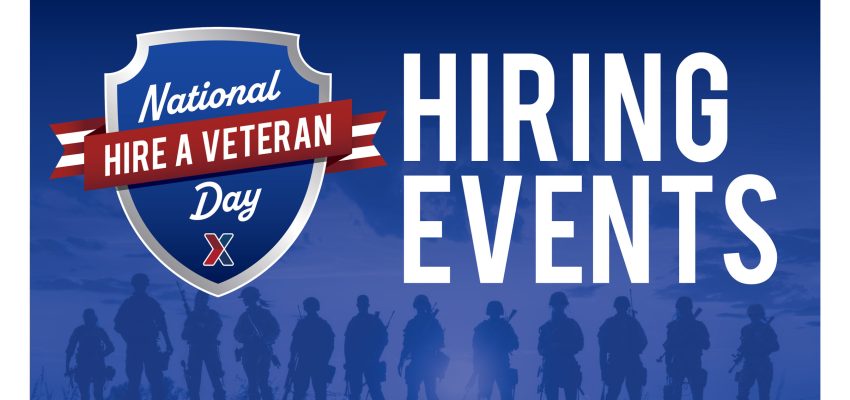
One such cornerstone is the Army & Air Force Exchange Service (AAFES). More than just a retail giant for service members, AAFES plays a pivotal role in fostering **veteran employment** globally. Their initiatives, particularly around significant dates like National Hire a Veteran Day, underscore a profound understanding of the reciprocal duty we owe to our heroes. The recent announcement concerning worldwide hiring events on July 25th, for example, is not merely a recruitment drive; it’s a reaffirmation of a promise, a gateway to meaningful careers, and a testament to the invaluable contributions veterans bring to the workforce.
### Veteran Employment: A Call to Action and Opportunity
National Hire a Veteran Day, celebrated annually on July 25th, serves as a crucial reminder for businesses and communities alike about the immense untapped potential residing within our veteran population. It’s a day dedicated to acknowledging the unique skills, unwavering dedication, and unparalleled experiences that military service imprints upon individuals. For many veterans, the transition from the highly structured and mission-driven environment of the armed forces to the often-ambiguous corporate landscape can be daunting. Challenges range from translating specialized military skills into civilian job descriptions to navigating unfamiliar corporate cultures and even overcoming biases.
However, these challenges are often overshadowed by the profound advantages of hiring veterans. What do veterans bring to the table? A wealth of leadership experience honed under pressure, unparalleled discipline, exceptional teamwork skills forged in the crucible of shared sacrifice, and an innate ability to problem-solve creatively. They possess a global perspective, are often highly adaptable, and come equipped with technical proficiencies developed through rigorous training. From logistics and supply chain management to IT and cybersecurity, and from project leadership to complex mechanical operations, the military is a vast training ground for a multitude of highly sought-after capabilities.
Organizations like AAFES, with their global footprint and diverse operational needs, are uniquely positioned to understand and leverage these attributes. Their commitment to hosting worldwide hiring events on July 25th is a tangible expression of this understanding. These events serve as vital conduits, directly connecting veterans with opportunities that value their service and leverage their proven abilities. It’s about more than just filling vacancies; it’s about building a workforce that reflects the very best of dedication and skill, while also providing a familiar and supportive environment for those who have served. This strategic focus on **veteran employment** not only benefits the individuals but also enriches the entire organization and the broader economy.
### The AAFES Mission: More Than Just Retail
To fully appreciate AAFES’s role in **veteran employment**, it’s important to understand the organization’s unique structure and enduring mission. The Army & Air Force Exchange Service is a non-appropriated fund entity of the Department of Defense, meaning it operates much like a private business but is fundamentally driven by its service to the military community. Established in 1895, AAFES has a long and storied history of enhancing the quality of life for service members, military families, retirees, and veterans. It operates retail stores, food courts, movie theaters, and various service facilities on military installations worldwide, from bustling bases in the United States to remote outposts in conflict zones.
The profits generated by AAFES are not pocketed by shareholders; instead, 100% of its earnings are reinvested into military quality-of-life programs. These include vital services such as child development centers, youth sports, fitness centers, and much more – programs that directly benefit military families. This unique business model means that when veterans are hired by AAFES, they are not only securing a job but also becoming part of an ecosystem that directly supports their brethren still in uniform. It creates a powerful, virtuous cycle of service and support.
AAFES’s global operations require a vast and diverse workforce, offering roles across a spectrum of industries: retail management, logistics and supply chain, food service, human resources, finance, IT, maintenance, and administrative support, to name a few. Many of these roles align perfectly with the skills acquired during military service. For instance, a logistics specialist from the Army or Air Force would find their expertise directly applicable to AAFES’s complex global distribution network. A former squadron leader might excel in a store management position, leveraging their leadership and organizational skills.
The benefits for veterans working at AAFES extend beyond just a paycheck. They step into an environment where their military background is understood and valued, often working alongside fellow veterans or military family members. This sense of camaraderie and shared experience can significantly ease the transition process, providing a supportive community that understands their unique journey. Moreover, AAFES typically offers competitive compensation packages, comprehensive benefits, and opportunities for career advancement, reinforcing its commitment to meaningful and sustainable **veteran employment**.
### Bridging the Gap: How Tech & AI Can Further Support Veterans
As an AI specialist, I’ve always been fascinated by how technology can augment human efforts and solve complex societal challenges. The realm of **veteran employment** is no prime candidate for such innovation. While traditional hiring events like those hosted by AAFES are incredibly valuable, modern technological advancements, particularly in Artificial Intelligence, offer exciting new avenues to further streamline and enhance the veteran job search and placement process.
Consider the perennial challenge of translating military experience into civilian-friendly language. An AI-powered skill translation tool could analyze a veteran’s military occupational specialty (MOS) or Air Force Specialty Code (AFSC), along with their deployment history and training, and automatically generate a civilian-ready resume that highlights transferable skills like strategic planning, risk management, cybersecurity, or advanced technical maintenance. This alleviates a significant hurdle for many transitioning service members who struggle to articulate their invaluable competencies in a civilian context.
AI-driven job matching platforms can go a step further. Instead of relying solely on keywords, these systems can understand the semantic meaning of job requirements and veteran skillsets, identifying optimal matches with far greater precision. Imagine a veteran with experience in drone operations being matched not just with “pilot” roles, but with opportunities in data analysis for environmental monitoring, logistical oversight for delivery services, or even roles in film production requiring aerial videography expertise – all facilitated by AI’s ability to uncover non-obvious connections.
Beyond matching, AI and related technologies can support veterans in other critical areas. Virtual Reality (VR) simulations, for instance, could provide immersive training for civilian job interviews, allowing veterans to practice in realistic scenarios and receive AI-driven feedback on their communication and presentation skills. AI-powered chatbots could offer 24/7 career counseling, answering common questions, providing resources, and even flagging potential mental health concerns for human intervention. Data analytics, leveraging anonymized information, can help organizations like AAFES identify in-demand skills, anticipate future workforce needs, and tailor training programs specifically for veterans, ensuring their skillsets remain relevant and competitive.
Furthermore, the digital age allows for far broader outreach. While physical hiring events are essential, online platforms and digital marketing, optimized by AI algorithms, can reach veterans in remote areas or those who might otherwise miss out on opportunities. This ensures that the message of **veteran employment** from organizations like AAFES resonates across all communities, making connections that might not have been possible even a decade ago. The synergy between dedicated human initiatives and cutting-edge technology holds immense promise for creating an even more robust and supportive framework for our veterans.
The commitment shown by organizations like the Army & Air Force Exchange Service on occasions such as National Hire a Veteran Day is not just commendable; it is a vital component of fulfilling our societal obligation to those who have served. Their worldwide hiring events on July 25th represent a tangible, impactful effort to connect veterans with meaningful careers, leveraging their unique skills and experiences for the benefit of all. This foundational work, combined with the innovative potential of technology and AI, paints a hopeful picture for the future of **veteran employment**.
Ultimately, supporting our veterans in their transition to civilian life is not merely an act of gratitude; it is a strategic investment in our collective future. By embracing their leadership, discipline, and problem-solving prowess, we enrich our workplaces, strengthen our communities, and uphold the values for which they bravely served. As we look forward, the continued collaboration between dedicated organizations, forward-thinking policies, and the transformative power of artificial intelligence will be paramount in ensuring that every veteran finds not just a job, but a purpose-driven and prosperous next chapter.










