
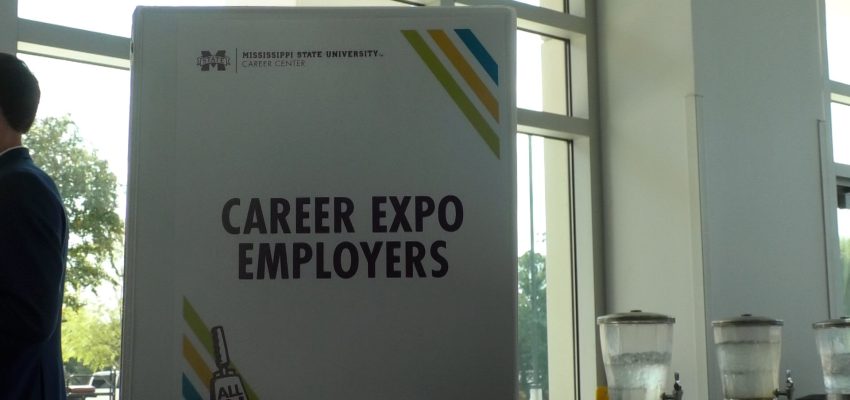

As the final chapters of academic life draw to a close, a subtle yet profound shift occurs in the minds of university students. The vibrant hum of lecture halls and the intense focus on assignments gradually give way to a new, exhilarating, and sometimes daunting prospect: the professional world. This transition, from the structured environment of academia to the dynamic landscape of careers, marks a pivotal moment in any student’s life. It’s a leap that requires not just theoretical knowledge but also practical skills, networking prowess, and a clear understanding of the opportunities that lie ahead. Recognizing this critical juncture, forward-thinking institutions like Mississippi State University (MSU), as highlighted by recent reports, are stepping up their efforts to facilitate this journey, primarily through comprehensive career events designed to connect aspiring professionals with their future.
In an increasingly competitive global job market, merely earning a degree, while foundational, is often not enough. Graduates are expected to possess a diverse toolkit of skills, including critical thinking, problem-solving, adaptability, and emotional intelligence. They also need to be adept at self-promotion, networking, and navigating complex organizational structures. Universities today bear a significant responsibility in preparing students not just academically, but also professionally. This commitment extends beyond the curriculum, encompassing robust career services that serve as a crucial bridge between scholarly pursuits and real-world employment. The effectiveness of these initiatives can often be seen in the success stories of alumni who credit their early professional exposure and guidance with setting them on a path to fulfilling careers.
University Career Expo: More Than Just a Job Fair
At its core, a University Career Expo is an event meticulously designed to bring together students, alumni, and prospective employers under one roof. While often colloquially referred to as a ‘job fair,’ this designation barely scratches the surface of its true value and multifaceted purpose. These expos are sophisticated platforms for discovery, interaction, and professional development. For students, they represent a unique opportunity to explore a vast array of industries, learn about different company cultures, and identify potential career paths they might not have previously considered. Imagine a budding engineer discovering a passion for sustainable energy through a conversation with a pioneering firm, or a liberal arts student realizing the applicability of their analytical skills in a burgeoning tech startup.
The benefits for students are manifold. Firstly, it provides unparalleled access to decision-makers and recruiters from a diverse spectrum of organizations, from multinational corporations to local businesses, non-profits, and government agencies. This direct engagement bypasses traditional application processes, offering students a chance to make a memorable personal impression. Secondly, these expos are invaluable for networking. Students can practice their elevator pitches, receive immediate feedback on their resumes, and gain insights into current industry trends and hiring needs. Many expos also host workshops on resume writing, interview techniques, and professional etiquette, further honing students’ readiness for the workforce. For those uncertain about their career direction, the expo serves as a living, breathing career guide, offering information and inspiration.
For employers, the value proposition is equally compelling. A University Career Expo offers direct access to a curated pool of fresh talent, often eager, highly educated, and possessing up-to-date knowledge in their respective fields. Companies can raise their brand visibility, articulate their mission and values, and scout for potential interns, co-op students, and full-time hires. Recruiting top talent is a continuous challenge, and these expos provide a cost-effective and efficient way to identify promising candidates early in their academic journey. Furthermore, establishing a consistent presence at university career events helps companies build a strong talent pipeline, fostering relationships with future leaders and innovators long before they enter the market.
Navigating the Modern Job Market: The Evolving Role of University Support
The modern job market is characterized by rapid change, technological disruption, and an increasing demand for specialized yet adaptable skills. Students today face a landscape far more complex than that of previous generations. Automation, artificial intelligence, and globalization are reshaping industries, creating new roles while rendering others obsolete. In this dynamic environment, universities are evolving their career services to offer more than just a list of job postings. They are becoming strategic partners in student career development, offering holistic support that spans from self-assessment to long-term career planning.
Career centers at universities are increasingly integrating services that go beyond the expo. These include personalized career counseling, mock interview sessions utilizing virtual reality, alumni mentorship programs, and workshops focused on developing ‘soft skills’ such as communication, teamwork, and leadership, which are consistently cited by employers as critical deficiencies in new graduates. Experiential learning opportunities, such as internships, co-operative education programs, and project-based learning, are also heavily promoted. These experiences provide students with invaluable practical skills and a taste of real-world work environments, making them more attractive to employers upon graduation. The goal is to cultivate career readiness that empowers students to not only land their first job but also to navigate a career path that will likely involve multiple shifts and re-skilling over their professional lives.
The integration of technology, particularly AI, also plays a growing role. While André Lacerda’s specific expertise lies in AI, its presence in career services is becoming undeniable. AI-powered tools can help students optimize their resumes for applicant tracking systems (ATS), provide personalized job recommendations based on skills and preferences, and even simulate interview scenarios to offer tailored feedback. Online platforms extend the reach of career services, allowing students to access resources, connect with alumni, and attend virtual career fairs from anywhere. This digital transformation ensures that career support is accessible, relevant, and capable of responding to the fast-paced demands of the contemporary workforce.
Beyond the Booth: Long-Term Impact and Future Horizons
The impact of a well-organized University Career Expo extends far beyond the immediate job offers or internship placements. It lays the groundwork for long-term career success and professional growth. Students who engage with these events tend to develop a clearer understanding of their career aspirations, refine their professional identity, and build confidence in their ability to articulate their value proposition to potential employers. Anecdotal evidence and longitudinal studies often show that graduates who actively utilize career services and attend expos tend to secure employment more quickly and in roles that align better with their academic backgrounds and personal interests.
Furthermore, these events foster a culture of proactivity and continuous learning. Students learn the importance of networking not just for immediate job prospects but for building a robust professional community that can provide support, mentorship, and future opportunities. The connections made at an expo could lead to an internship that transforms into a full-time job, or a conversation that sparks an entrepreneurial idea. It’s about planting seeds for future success. The relationship between universities and employers also strengthens through these interactions, leading to valuable partnerships that can inform curriculum development, research initiatives, and specialized training programs, ensuring that academic offerings remain relevant to industry needs.
Looking ahead, the future of university career expos and support services will likely continue to evolve, embracing hybrid models that combine the personal touch of in-person events with the scalability and accessibility of virtual platforms. Personalization, driven by data analytics and AI, will become even more sophisticated, offering tailored guidance to students based on their unique skills, experiences, and career goals. The emphasis will remain on equipping students with not just technical competencies but also critical human skills – creativity, emotional intelligence, and complex problem-solving – which are resilient to automation and increasingly valued in the modern economy. Universities, by continuously innovating their career development offerings, remain indispensable navigators for students charting their course from the ivy-covered walls of academia to the boundless opportunities of the professional world.
In conclusion, the journey from classroom to career is one of the most transformative periods in a young person’s life, fraught with both excitement and uncertainty. Events like the University Career Expo, championed by institutions worldwide, serve as crucial anchors in this journey, providing students with the connections, skills, and confidence needed to embark on successful professional lives. They are not merely transactional events for hiring but holistic platforms for discovery, growth, and the cultivation of a future-ready workforce.
As the landscape of work continues to shift with unprecedented speed, the role of universities in preparing their graduates for this dynamic future becomes ever more vital. By fostering robust career services, embracing technological advancements, and consistently engaging with the professional world, higher education institutions are not just conferring degrees; they are actively shaping the next generation of leaders, innovators, and contributors to society, ensuring their students are well-equipped to navigate and thrive in the careers of tomorrow.










