
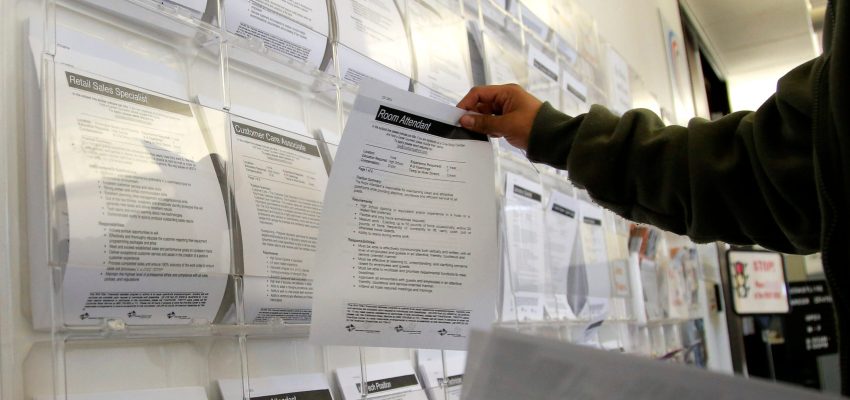

The world of work is in constant flux, a dynamic landscape shaped by innovation and evolving demands. Across the globe, millions of job postings signify not just opportunities, but also the immense challenge of finding one’s place in an increasingly complex ecosystem. Consider the sheer volume: even in a single state like Wisconsin, the Department of Workforce Development’s Job Center website might list over 57,000 available positions. This staggering number, while indicative of a robust market, also begs a crucial question: how does one navigate such a vast sea of possibilities, especially when the currents are constantly shifting due to technological advancements? As an AI specialist and keen observer of these changes, I, André Lacerda, believe that understanding the profound impact of artificial intelligence is no longer optional; it is fundamental to successful career planning and, more specifically, to a meaningful AI career transition.
We are living through a period often dubbed the Fourth Industrial Revolution, where AI is not merely a tool but a foundational technology reshaping industries, roles, and the very nature of work. From automating routine tasks to generating creative content and driving complex data analysis, AI’s capabilities are expanding at an unprecedented pace. This seismic shift presents both formidable challenges and unparalleled opportunities for professionals at every stage of their careers. The traditional career path, often linear and predictable, is giving way to a more fluid, adaptive journey where continuous learning and strategic self-reinvention are paramount. For anyone contemplating a career change or looking to future-proof their current role, the guiding principle must be to embrace and understand this AI-driven transformation. It’s about asking the right questions, not just about *what* jobs are available, but *how* these jobs are changing and *what* skills will define success in an AI-augmented future.
### AI Career Transition: Redefining Your Professional Path in the Age of Algorithms
The advent of artificial intelligence has fundamentally altered the skills economy. Once-stable job categories are being redefined, while entirely new roles are emerging at an astonishing rate. For instance, according to a report by the World Economic Forum, AI is projected to create 97 million new jobs by 2025, even as it displaces others. This isn’t just about technical roles like AI developers or data scientists; it encompasses a broader spectrum, from ‘prompt engineers’ who specialize in communicating effectively with large language models, to ‘AI ethicists’ who ensure responsible deployment of these powerful systems. Understanding this landscape is the first step in any successful AI career transition. It demands a shift from simply looking for a job to actively crafting a career that leverages human strengths in synergy with AI capabilities.
The challenge, therefore, is not to compete *against* AI, but to learn how to collaborate *with* it. This collaborative approach means identifying tasks where AI excels – pattern recognition, data processing, automation – and focusing human efforts on areas where we retain a distinct advantage: creativity, critical thinking, emotional intelligence, complex problem-solving, and strategic decision-making. The future workforce will be one where human ingenuity is amplified by artificial intelligence. Preparing for this future requires a proactive mindset, a commitment to lifelong learning, and a willingness to critically assess one’s skills and aspirations against the backdrop of technological evolution. This foundational understanding sets the stage for a series of introspective questions that are vital for anyone embarking on an AI career transition.
### Essential Questions for Navigating the AI-Driven Job Market
Embarking on a career transition, especially in a world rapidly reshaped by AI, requires more than just updating a resume. It demands a deep dive into self-assessment, market analysis, and future-proofing. Here are some essential questions to guide your journey:
**1. What are my core human skills, and how do they intersect with AI?**
In an era where algorithms handle repetitive and analytical tasks with increasing proficiency, the unique value of human skills becomes profoundly apparent. Consider abilities like empathy, leadership, storytelling, ethical reasoning, and cross-cultural communication. These ‘soft skills’ are now often referred to as ‘power skills’ because they are difficult for AI to replicate and are crucial for collaboration, innovation, and navigating complex human interactions. Take, for example, a project manager. While AI can optimize schedules and resource allocation, the ability to motivate a team, resolve conflicts, and communicate a compelling vision remains uniquely human. Similarly, in fields like marketing, AI can analyze vast consumer data, but the creative spark to craft an emotional narrative or design an impactful brand campaign often still originates from human insight. For your AI career transition, begin by inventorying these intrinsic human qualities. How can your creativity, critical thinking, or emotional intelligence be applied to roles that either involve developing AI solutions or leveraging AI tools to achieve human-centric goals? Reflect on past experiences where these skills shone brightest and consider how they can be refined and marketed in an AI-augmented context. The goal is to identify how your unique human attributes can become even more valuable in a technology-rich environment.
**2. How can I identify emerging roles and leverage AI in my current field?**
The rapid evolution of AI isn’t just about creating new jobs; it’s also about transforming existing ones. A financial analyst might now use AI-driven predictive models, a graphic designer might employ AI art generators for initial concepts, or a lawyer might utilize AI for legal research. The key is to understand these shifts and actively seek out opportunities within them. Explore industry reports, listen to podcasts from thought leaders in AI, and follow publications that track labor market trends. Tools like LinkedIn’s Skills Graph and various online job aggregators increasingly offer insights into in-demand skills and emerging roles. Don’t just search for job titles; search for capabilities and technologies. Are there new platforms or AI applications that are becoming standard in your sector? How can you become proficient in them? For someone in sales, understanding how AI can personalize customer interactions or predict buying patterns could be a game-changer. For an educator, exploring AI-powered personalized learning platforms might open new avenues. This proactive research is vital for a successful AI career transition, allowing you to position yourself at the forefront of change rather than reacting to it.
**3. What learning pathways are critical for future-proofing my expertise?**
The concept of a static skillset is obsolete. Continuous learning is no longer a luxury but a necessity for career survival and growth. This is particularly true when preparing for an AI career transition. Fortunately, the resources for upskilling and reskilling are more accessible than ever before. Online learning platforms like Coursera, edX, Udacity, and specialized AI academies offer a plethora of courses, from introductory AI concepts to advanced machine learning and data science. Many universities also provide micro-credentials and certificate programs designed for working professionals. The critical aspect is not just consuming information but applying it. Engage in practical projects, participate in hackathons, or contribute to open-source AI initiatives. For instance, if you’re transitioning into a role that requires understanding natural language processing (NLP), taking a course and then building a simple sentiment analysis tool or a chatbot can demonstrate your applied knowledge. Consider not only technical skills but also the ethical implications of AI, human-AI collaboration strategies, and basic data literacy. A commitment to this continuous evolution ensures that your expertise remains relevant and valuable in the long term.
**4. How can AI tools empower my job search and personal branding?**
Ironically, AI can also be a powerful ally *in* your job search. From optimizing your resume and cover letter to enhancing your online professional presence, AI tools can streamline the application process and increase your visibility. Many applicant tracking systems (ATS) now use AI to scan resumes for keywords and relevance. Leveraging AI-powered writing assistants to tailor your application documents to specific job descriptions can significantly improve your chances of getting noticed. Furthermore, AI can help you analyze job descriptions to identify key skills and phrases to incorporate. Beyond applications, consider how AI can assist in building your personal brand. Tools can help you generate ideas for blog posts, social media content, or even design elements for your professional portfolio. Practicing interview responses with AI-powered conversational agents can refine your communication skills. When thinking about your AI career transition, remember that integrating these tools into your job search strategy is not about replacing human effort but augmenting it, making your approach more efficient and impactful.
**5. What kind of work truly excites me in an increasingly automated world?**
Beyond skills and market trends, a successful career transition must ultimately align with your personal values and passions. As AI takes over more routine tasks, it opens up opportunities for humans to focus on work that is inherently more creative, strategic, and fulfilling. This is perhaps the most personal and profound question. What problems do you genuinely want to solve? What kind of impact do you aspire to make? Do you thrive on collaborating with diverse teams, or do you prefer deep, focused work? For example, if you are passionate about environmental sustainability, exploring how AI can optimize renewable energy systems or monitor ecological changes might be incredibly motivating. If human-centered design is your calling, perhaps a role in AI user experience or ethical AI design would resonate. An effective AI career transition isn’t just about finding a job where AI is present; it’s about finding a role where your unique human purpose and AI’s capabilities can converge to create meaningful work. This introspection ensures not just a new job, but a career path that truly excites and sustains you.
### Cultivating a Growth Mindset for Perpetual Evolution
The journey of an AI career transition is rarely linear. It’s an ongoing process of learning, adapting, and refining your professional identity. The questions posed above are not one-time assessments but rather prompts for continuous reflection. The most successful professionals in the AI era will be those who cultivate a ‘growth mindset’ – a belief that their abilities can be developed through dedication and hard work. This mindset fosters resilience in the face of rapid technological change and encourages an insatiable curiosity for what’s next. It means viewing challenges as opportunities for learning and seeing AI not as a threat, but as a powerful partner in achieving previously unimaginable feats.
Embracing this ethos means actively seeking out diverse perspectives, engaging with different AI applications, and understanding the broader societal implications of these technologies. It involves networking with professionals from various backgrounds, participating in industry dialogues, and staying informed about the ethical considerations that accompany AI development. The future belongs to those who are agile, adaptable, and willing to continuously evolve their skill sets and perspectives. By strategically engaging with the questions outlined, you can navigate the complexities of the modern job market with confidence, transforming what could be daunting challenges into exciting opportunities for growth and innovation in your professional life. The future of work is not just AI-driven; it is human-AI collaborative, and your place within it is yours to define.
The accelerating pace of artificial intelligence integration means that the skills and roles valued today may look different tomorrow. This makes proactive career planning, particularly an intentional AI career transition, not just beneficial but essential. By asking the right questions – about your unique human value, emerging market opportunities, critical learning pathways, and the power of AI tools – you can strategically position yourself for success. Remember, the goal is not merely to find *a* job, but to craft a fulfilling and future-proof career that leverages your distinct abilities in concert with the transformative power of AI.
Ultimately, the journey through the AI-driven job market is a testament to human adaptability and ingenuity. As André Lacerda, I firmly believe that with thoughtful introspection, continuous learning, and a proactive embrace of technology, anyone can navigate the complexities of career evolution. The future is bright for those willing to learn, adapt, and innovate alongside artificial intelligence, shaping their professional destinies in this exciting new era.










