

In an era defined by unprecedented technological advancement and shifting economic landscapes, the traditional concept of a static career path has become a relic of the past. Today, both individuals and industries are navigating a dynamic environment where skills can become obsolete overnight, and new opportunities emerge with dizzying speed. As an AI specialist, I’ve observed firsthand how rapidly fields transform, making continuous learning not just an advantage, but a necessity for survival and growth. This profound shift underscores the critical importance of institutions that are not only aware of these changes but are actively shaping the future of work.
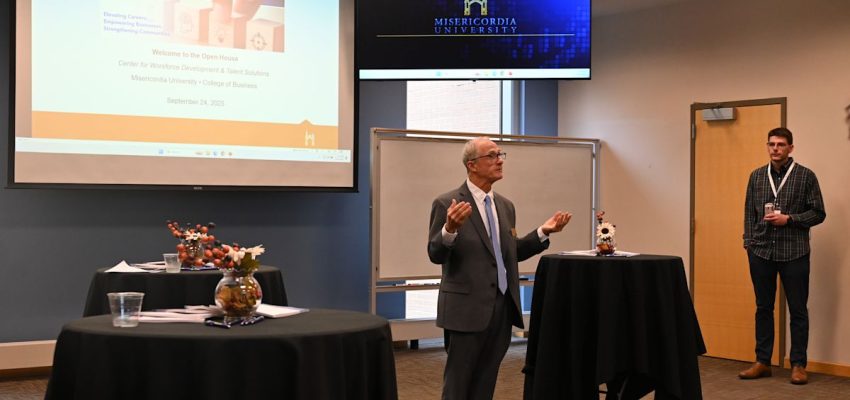
Misericordia University, through its dedicated Center for Workforce Development and Talent Solutions, stands out as a beacon in this evolving educational paradigm. Recently, the university showcased its proactive vision during a pivotal open house event, reaffirming its commitment to fostering a robust, skilled, and adaptable workforce across the region. This isn’t merely about offering courses; it’s about building a sustainable ecosystem for career growth and economic vitality, preparing individuals not just for today’s jobs, but for the opportunities of tomorrow. These crucial Workforce Development Programs are charting a new course for regional prosperity.
Workforce Development Programs: Pioneering the Future of Regional Employment
The concept of workforce development extends far beyond traditional vocational training. In the 21st century, it encompasses a holistic approach to equipping individuals with the competencies, knowledge, and adaptability required to thrive in an increasingly complex and automated world. The global economy, driven by phenomena like artificial intelligence, big data, and advanced automation, necessitates a constant recalibration of skills. For instance, according to a 2023 report by the World Economic Forum, 44% of workers’ core skills are expected to change in the next five years, underscoring the urgent need for robust upskilling and reskilling initiatives. Regional economies, in particular, face the unique challenge of aligning local talent with the specific needs of local industries, preventing brain drain, and attracting new businesses.
Misericordia University has stepped up to meet this challenge head-on. Their commitment to Workforce Development Programs is a clear signal that higher education institutions are no longer confined to the ivory tower; they are vital engines for economic growth and individual empowerment. The Center for Workforce Development and Talent Solutions serves as a strategic hub, actively engaging with community leaders, local businesses, and educators to identify critical skills gaps and design targeted interventions. This collaborative model ensures that the programs offered are not theoretical exercises, but practical, demand-driven solutions. By focusing on both emerging industries and the evolving needs of established sectors, Misericordia is cultivating a talent pipeline that directly addresses the economic health and competitive edge of its surrounding communities. This proactive stance helps individuals navigate career transitions, secure better employment, and contributes significantly to the overall prosperity and resilience of the region. They understand that investing in people’s skills is the most sustainable form of economic development.
Misericordia University’s Vision: Bridging Skills Gaps for a Dynamic Economy
At the heart of Misericordia University’s innovative approach lies a deep understanding that the demands of the modern workplace are multifaceted and constantly evolving. Their Center for Workforce Development and Talent Solutions is designed to be agile, responsive, and deeply integrated with the needs of the local and regional labor markets. Gone are the days when a four-year degree was the sole pathway to a successful career. Today, micro-credentials, certifications, and specialized bootcamps offer faster, more targeted routes to gaining in-demand skills. Misericordia recognizes this paradigm shift, offering a diverse portfolio of programs that cater to various stages of an individual’s career journey and different industry requirements.
Consider the landscape of today’s job market: industries such as healthcare, IT, advanced manufacturing, and renewable energy are experiencing exponential growth, yet often struggle to find qualified candidates. Misericordia’s Workforce Development Programs are specifically tailored to address these critical shortages. For instance, they might offer certificates in areas like cybersecurity, data analytics, project management, or specialized healthcare roles – fields where the demand for skilled professionals far outstrips supply. These programs are often developed in direct consultation with employers, ensuring that the curriculum is immediately relevant and equips participants with practical, job-ready competencies. The open house event on September 24th was a testament to this commitment, bringing together stakeholders to explore these very offerings and discuss future collaborations. It highlighted how the university acts as a catalyst, connecting educational resources with market demands. The effectiveness of these Workforce Development Programs lies in their agility and direct connection to market needs.
This strategic alignment benefits not only the learners, who gain valuable, marketable skills, but also local businesses, which gain access to a pool of highly qualified talent. By fostering these connections, Misericordia helps companies reduce recruitment costs, improve employee retention, and enhance overall productivity. Furthermore, the university often integrates elements of professional development that extend beyond technical skills, focusing on critical soft skills such as communication, problem-solving, teamwork, and digital literacy – competencies that remain invaluable across all industries, especially as workplaces become increasingly collaborative and technology-driven. This holistic development ensures that graduates are not just technically proficient but also well-rounded professionals prepared for long-term career success and adaptability in a world influenced by technologies like AI.
Empowering Individuals and Bolstering Regional Growth Through Continuous Learning
The ripple effect of robust Workforce Development Programs extends far beyond individual career advancement; it profoundly impacts the economic health and social fabric of an entire region. For individuals, these programs represent pathways to upward mobility, allowing them to reskill for entirely new careers or upskill within their current professions to take on greater responsibilities and earn higher wages. In an economic climate where job security can often feel precarious, having access to continuous learning opportunities provides a vital sense of agency and empowerment. It’s about offering a second chance, a new beginning, or simply an acceleration of an existing career trajectory. Many participants are adult learners, often balancing work and family commitments, making accessible, flexible, and targeted programs crucial for their success. Misericordia’s commitment here reflects an understanding of diverse learner needs.
From a regional perspective, a well-trained workforce is a magnet for economic investment. Businesses are more likely to establish or expand operations in areas where they can readily find the skilled labor they need. This creates a virtuous cycle: more businesses mean more jobs, which in turn fuels local consumption, tax revenue, and overall community prosperity. Misericordia University’s role in this ecosystem is not merely responsive; it’s transformative. By actively cultivating a talent pool that aligns with future economic trends, they help future-proof the region against downturns and position it for sustainable growth. This foresight is critical, especially when considering the rapid pace of technological innovation. As new industries emerge and existing ones evolve, the ability to quickly adapt and re-skill the workforce becomes a core competency for any thriving region.
Moreover, these programs often foster a culture of lifelong learning, which is indispensable in our rapidly changing world. The notion that one’s education ends upon graduation is long obsolete. Today, professionals must commit to continuous skill acquisition, whether through formal programs, online courses, or self-directed learning. Universities like Misericordia are instrumental in embedding this mindset within the community. They not only provide the learning opportunities but also often offer career counseling, job placement assistance, and networking events, creating a comprehensive support system for participants. By focusing on both technical proficiency and adaptability, these initiatives equip individuals not just for their next job, but for a lifetime of career evolution, ensuring they remain relevant and competitive even as new technologies, like advanced AI, continue to reshape the employment landscape. The university’s proactive engagement with community members, business leaders, and educators at the open house exemplifies this integrated, forward-thinking approach, solidifying its position as a cornerstone of regional development.
In a world where change is the only constant, the value of adaptable and skilled human capital cannot be overstated. Misericordia University’s commitment to Workforce Development Programs represents a profound understanding of this truth, positioning itself not just as an academic institution, but as a crucial partner in regional economic development and individual empowerment. Their proactive engagement, demonstrated through events like the recent open house, showcases a model of higher education that is responsive, innovative, and deeply connected to the real-world needs of industries and aspiring professionals. By bridging the gap between education and employment, Misericordia is effectively preparing individuals for the challenges and opportunities of the 21st-century job market, ensuring they possess the critical skills to thrive in an era influenced by automation, AI, and continuous innovation.
As we look towards the future, the imperative for continuous learning will only intensify. Institutions like Misericordia University are not just teaching; they are cultivating resilience, fostering economic growth, and building stronger, more prosperous communities. Their strategic focus on comprehensive Workforce Development Programs stands as a testament to the power of education to transform lives and drive progress. For anyone seeking to navigate the complexities of modern careers or for businesses aiming to strengthen their talent pipeline, Misericordia University offers compelling pathways forward, proving that the synergy between education and industry is indeed the blueprint for a future-ready workforce.










