

In an era defined by the relentless march of digital progress and the accelerating capabilities of artificial intelligence, the very fabric of our connected world relies on an unseen, yet utterly crucial, infrastructure: the data center. These colossal facilities are the beating hearts of the internet, storing, processing, and moving the colossal amounts of data that underpin everything from social media and streaming services to complex scientific simulations and, increasingly, the foundational algorithms of AI. As an AI specialist and tech enthusiast, I’ve long marveled at the sheer scale and complexity required to keep our digital ecosystems thriving.
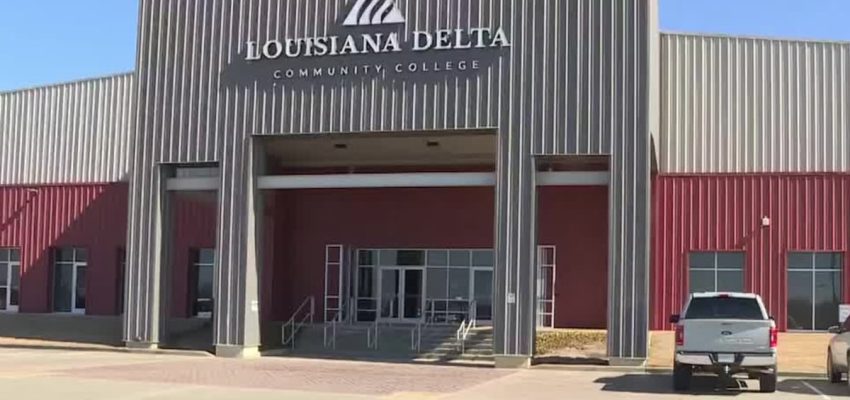
Yet, for all their technological sophistication, data centers are more than just server racks and fiber optic cables; they are intricate ecosystems demanding a highly specialized and continuously evolving human workforce. The burgeoning demand for digital services, fueled by the explosive growth of AI, cloud computing, and the Internet of Things, has created a significant talent gap. Recognizing this critical need, tech giants like Meta are stepping up, not just with technological innovations, but with strategic investments in the very communities that host their vital infrastructure. A recent example from Richland Parish, Louisiana, where Meta has committed $5 million to the Louisiana Delta Community College (LDCC), vividly illustrates this forward-thinking approach, creating a direct pathway into high-demand data center careers for local graduates. This initiative isn’t merely a philanthropic gesture; it’s a profound recognition that the future of technology, and indeed AI itself, hinges on nurturing the skilled human talent capable of building and maintaining its physical bedrock.
Data Center Careers: Powering the Digital Future
The sheer volume of data generated globally is staggering. Estimates suggest that by 2025, the world will be generating 180 zettabytes of data annually. Each tweet, every streamed movie, every AI model trained, contributes to this immense digital ocean, all of which must be processed and stored somewhere. This escalating demand translates directly into a booming market for data center infrastructure and, consequently, for the professionals who build, operate, and maintain it. The global data center market size, valued at hundreds of billions of dollars, is projected to continue its robust growth for decades to come, signaling a stable and expanding horizon for data center careers.
What exactly constitutes a data center career? It’s a remarkably diverse field, spanning far beyond the stereotypical image of someone hunched over a server. Modern data centers are miniature cities of technology, requiring a multidisciplinary workforce. This includes highly specialized roles such as data center operations technicians, who monitor performance and troubleshoot issues; network engineers, who design and manage the complex web of connectivity; and cybersecurity analysts, safeguarding invaluable digital assets from myriad threats. Beyond these, there are crucial support roles including electrical engineers who ensure uninterrupted power supply, HVAC technicians vital for maintaining optimal server temperatures, and fiber optics/structured cabling specialists who manage the intricate nervous system of data transmission. Furthermore, with the increasing focus on sustainability, there’s a growing demand for experts in energy efficiency and green technology implementation within these facilities.
The unique aspect of many data center careers is their blend of traditional trade skills with cutting-edge technology. An electrician working in a data center, for instance, requires not only foundational knowledge of power systems but also an understanding of uninterruptible power supplies (UPS), redundant circuits, and energy management systems tailored for high-density computing environments. Similarly, an HVAC technician must grasp the nuances of precision cooling, hot/cold aisle containment strategies, and the delicate balance required to prevent equipment overheating while minimizing energy consumption. These are roles that offer not just competitive salaries but also long-term job security, as the physical infrastructure of the internet remains indispensable, even as software evolves at warp speed. For individuals seeking a robust career path with tangible skills and direct impact on the digital world, data center opportunities represent an increasingly attractive option.
Meta’s Strategic Investment in Local Talent
The $5 million gift from Meta to the Louisiana Delta Community College (LDCC) is a prime example of a global tech leader making a targeted, impactful investment in a local community. This funding is specifically designed to create a full-ride pathway for graduates from Richland Parish into data center careers. Such initiatives are far more than mere corporate social responsibility; they are strategic partnerships that benefit all stakeholders. For Meta, it addresses a critical business need: securing a pipeline of skilled, locally trained professionals to staff its Richland Parish data center, a large-scale facility powering its vast digital services from Facebook to Instagram and beyond. Building and operating such an extensive site requires a continuous influx of talent across multiple technical trades, and nurturing this talent locally significantly reduces recruitment costs and fosters community goodwill.
For LDCC and the community of Richland Parish, the benefits are transformative. The full-ride scholarships remove significant financial barriers, making advanced technical education accessible to a wider demographic. This directly empowers students to acquire highly marketable skills that lead to stable, well-paying jobs in a growth industry without incurring substantial debt. Beyond individual student success, the program acts as an economic catalyst for the entire region. It creates a local workforce development ecosystem, attracting further investment and demonstrating the community’s commitment to fostering a skilled technical labor pool. This ensures that the economic benefits generated by Meta’s presence ripple throughout the community, rather than being concentrated solely within the facility’s immediate operations. It also fosters a sense of pride and ownership among residents, knowing they are directly contributing to the digital infrastructure that connects billions worldwide and fuels the next generation of AI advancements.
Moreover, this type of investment strengthens the relationship between industry and academia, ensuring that educational curricula are directly aligned with industry needs. LDCC can tailor its programs to Meta’s specific requirements, providing students with practical, relevant training that makes them job-ready upon graduation. This collaboration ensures that the educational experience is not abstract but directly prepares individuals for the demands of real-world data center careers, bridging the gap between theoretical knowledge and practical application, a challenge often faced by traditional educational models.
Beyond the Servers: The Broader Economic and Technological Impact
The impact of data centers, and the investment in the talent required to run them, extends far beyond the immediate job creation. These facilities act as significant economic multipliers. When a company like Meta establishes a data center, it not only creates direct employment but also stimulates a wide range of ancillary businesses and services. Local construction companies, catering services, security firms, and various suppliers all benefit from the ongoing operational needs of such a large-scale enterprise. This ripple effect generates additional jobs and revenue streams throughout the local economy, fostering sustainable growth and diversification.
From a technological perspective, data centers are the absolute bedrock of modern innovation. They are the physical homes for the enormous computational power required for machine learning model training, deep learning inference, and the continuous evolution of artificial intelligence. Without these robust, high-availability infrastructures, the ambitious goals of AI research and development would remain purely theoretical. The stability, speed, and security provided by skilled data center professionals ensure that AI systems can operate reliably, scale efficiently, and process the vast datasets essential for learning and decision-making.
Furthermore, the skills acquired in data center careers are highly transferable and represent a significant asset for any regional workforce. Graduates trained in electrical systems, fiber optics, network administration, and advanced technical maintenance gain expertise that is valuable across numerous industries, not just within data centers. This empowers individuals with diverse career options and enhances the overall technical acumen of the community, making it more resilient and attractive for future technology investments. The push for sustainability within the data center industry also means that professionals are being trained in cutting-edge energy management techniques, renewable energy integration, and efficient cooling solutions, positioning them at the forefront of green technology application.
In conclusion, the symbiotic relationship between technology giants, educational institutions, and local communities, as exemplified by Meta’s investment in Richland Parish, is a model for progress in the digital age. It demonstrates a clear understanding that while technology propels us forward, it is ultimately human ingenuity and skill that build, maintain, and innovate upon these systems. By creating accessible pathways into challenging yet rewarding data center careers, we are not just filling job vacancies; we are empowering individuals, revitalizing communities, and laying the essential groundwork for the next generation of technological breakthroughs, particularly in the rapidly evolving field of artificial intelligence.
The future of AI and digital connectivity rests firmly on the shoulders of these skilled professionals. Investing in their education and development is not merely an option but a necessity. It ensures a robust, resilient digital infrastructure that can support the ever-increasing demands of a data-driven world. As we look ahead, the continued commitment to fostering talent in specialized areas like data center operations will be paramount to unlocking the full potential of AI and maintaining our pace on the exciting journey into tomorrow’s technological landscape.










