

The relentless march of artificial intelligence is reshaping industries, economies, and indeed, the very fabric of how we work. What once seemed like science fiction is now an everyday reality, with AI systems permeating everything from customer service to complex data analysis. This rapid evolution presents both unprecedented opportunities and significant challenges, particularly concerning the readiness of our future workforce. As an AI specialist and enthusiast, I frequently ponder the trajectory of human potential in an increasingly automated world. The question isn’t whether AI will change jobs, but how effectively we can prepare the next generation to not just adapt, but to thrive and innovate within this transformative landscape.
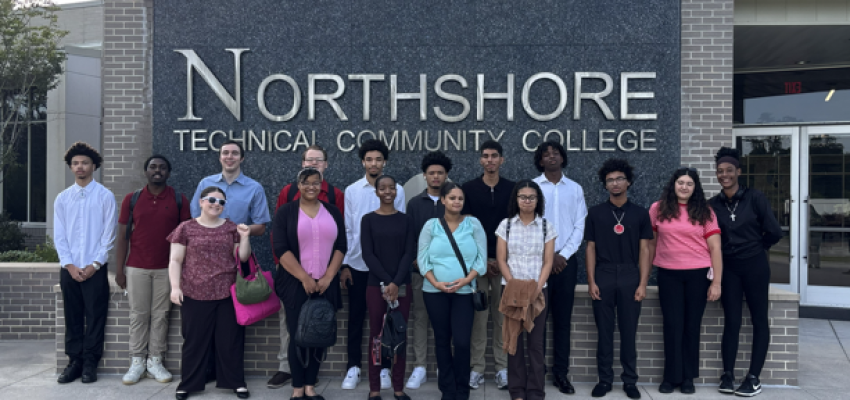
It is in this context that programs focused on early career exposure and skill development become not merely beneficial, but absolutely essential. Imagine a world where young minds are equipped, from an early age, with the foundational understanding and practical experience necessary to navigate a career path deeply intertwined with AI. These initiatives serve as critical bridges, connecting theoretical knowledge with real-world application, fostering an environment where curiosity is nurtured, and potential is unlocked. The success of such programs, which provide invaluable hands-on workforce exposure and cultivate career readiness, underscores a universal truth: preparing for the future means investing in human capital today. It’s about building a pipeline of talent that is not only technologically savvy but also critically aware, ethically grounded, and inherently adaptable.
### **AI workforce preparation**: Bridging the Skills Gap for Tomorrow
The digital revolution, accelerated by advancements in artificial intelligence, has ushered in an era where the demand for specific skills is evolving at an unprecedented pace. The World Economic Forum’s ‘Future of Jobs Report’ frequently highlights this dynamic shift, projecting that while AI and automation may displace certain routine tasks, they will simultaneously create millions of new roles requiring specialized human skills. For instance, roles in data science, machine learning engineering, AI ethics, and human-AI interaction design are burgeoning, often outpacing the supply of qualified professionals. This creates a critical skills gap that needs to be addressed proactively, and this is where focused **AI workforce preparation** becomes indispensable.
Traditional educational models, while foundational, often struggle to keep pace with these rapid technological advancements. This necessitates a paradigm shift towards more agile, industry-aligned training programs. Consider the sheer volume of data being generated globally—estimates suggest we create quintillions of bytes of data every day. To harness this, future professionals will need not only technical proficiency in AI tools and platforms but also a deep understanding of data literacy, analytical reasoning, and predictive modeling. Early exposure through career academies allows students to delve into these fields, perhaps building a simple neural network, understanding the basics of natural language processing, or even experimenting with robotic process automation. This isn’t just about coding; it’s about understanding the logic, the capabilities, and the limitations of AI systems. Such foundational knowledge equips them to be active participants in the AI economy, rather than passive observers. Moreover, it cultivates the critical thinking necessary to question AI outputs, debug systems, and innovate new applications, moving beyond mere consumption to true creation.
### The Imperative of Hands-On Learning in an AI Era
In a world where AI can automate complex calculations, sift through vast datasets, and even generate creative content, the value of human hands-on experience might seem counterintuitive. However, it is precisely this practical engagement that differentiates true understanding from superficial knowledge. Hands-on learning in the context of **AI workforce preparation** goes beyond theoretical instruction; it plunges individuals into real-world scenarios, allowing them to grapple with challenges, make mistakes, and learn through direct application. For instance, instead of merely learning about machine vision, students could engage in a project where they train an AI model to identify specific objects in images, or perhaps program a small robot to navigate an obstacle course. This immersive approach fosters problem-solving skills, resilience, and a deeper appreciation for the nuances of AI implementation.
Such experiences often reveal that AI is not a magic wand but a powerful tool requiring careful design, iterative refinement, and a keen understanding of its underlying principles. Participants in these programs might collaborate on a project to develop an AI-powered recommendation system, confronting issues of data bias, model performance, and user experience firsthand. This iterative process of ‘design-build-test-refine’ is invaluable. It teaches them about debugging, about the importance of clean data, and about the ethical considerations inherent in deploying AI. Furthermore, hands-on exposure to various technologies – from cloud computing platforms that host AI services to specialized hardware for machine learning – demystifies the field, making it accessible and tangible. They learn that innovation often stems from experimentation and that failure is a critical part of the learning process. It’s about cultivating a maker’s mindset, a willingness to tinker and explore, which is paramount for driving future AI advancements.
### Cultivating Resilience and Adaptability for the AI-Driven Future
One of the most defining characteristics of the AI era is its relentless pace of change. New algorithms, frameworks, and applications emerge with startling frequency, rendering some skills obsolete while creating demand for entirely new ones. In this dynamic environment, resilience and adaptability are not just desirable traits; they are fundamental survival skills. Effective **AI workforce preparation** must therefore transcend specific technical competencies and instill a lifelong learning mindset, equipping individuals to continuously acquire new knowledge and pivot their skillsets as technology evolves.
Career academies and similar initiatives are uniquely positioned to foster these crucial soft skills. By exposing young people to diverse technological challenges and encouraging collaborative problem-solving, these programs build confidence in navigating ambiguity. They learn that a solution today might be optimized or superseded tomorrow, and that continuous self-improvement is key. Imagine a project where students must adapt their AI model to a new dataset with different characteristics, or integrate a newly released API into an existing application. These scenarios demand flexibility, critical evaluation, and a willingness to unlearn and relearn. Moreover, the emphasis on teamwork in such settings cultivates strong communication and interpersonal skills – capacities that AI, despite its advances, struggles to replicate. Human creativity, empathy, and the ability to work effectively in diverse teams remain irreplaceable assets in any future workforce, especially one augmented by AI. These are the meta-skills that allow individuals to not only keep pace with change but to drive it, ensuring they remain relevant and impactful contributors to society.
### Beyond Technical Skills: Ethical AI and Societal Impact
As AI becomes more pervasive, its ethical implications grow increasingly significant. From algorithmic bias in hiring processes to privacy concerns with facial recognition, the decisions made during AI development and deployment have profound societal consequences. Therefore, comprehensive **AI workforce preparation** extends beyond purely technical prowess to encompass a robust understanding of ethical principles, responsible innovation, and the broader impact of AI on humanity. Future professionals must be equipped to not only build AI systems but to build them wisely and conscientiously.
Integrating ethical considerations into early career education is paramount. Programs can incorporate case studies on real-world AI dilemmas, encouraging students to analyze potential biases in data, discuss the transparency of algorithms, and deliberate on the societal responsibilities of AI developers. This fosters a generation of technologists who are not just coders but ethical stewards of powerful technology. For example, a project might involve designing an AI system for healthcare, where students must consider data privacy regulations (like GDPR or HIPAA), fairness in patient outcomes, and the potential for AI to exacerbate existing health inequalities. These discussions cultivate a moral compass, ensuring that innovation is pursued with a human-centric approach. They learn that technology is a double-edged sword, capable of immense good or unintended harm, depending on the values and foresight of its creators. By instilling these ethical frameworks early, we empower future leaders to champion AI development that is not only effective but also equitable, transparent, and beneficial for all members of society.
### The Role of Community and Partnership in Shaping Future Talent
The complex task of preparing the next generation for an AI-driven future cannot be shouldered by any single entity. It requires a concerted effort, a synergistic partnership between educational institutions, governmental agencies, industry leaders, and community organizations. The success of initiatives akin to a summer career academy, which brings together local youth with resources for workforce exposure, stands as a testament to the power of such collaborative ecosystems. These partnerships are the bedrock of effective **AI workforce preparation**.
Educational institutions bring pedagogical expertise and structured learning environments. Industry partners provide invaluable insights into current and future job market demands, access to cutting-edge technologies, and real-world project opportunities. Government and non-profit organizations often facilitate funding, policy support, and outreach to diverse student populations, ensuring equitable access to these transformative programs. When these sectors converge, they create a robust and dynamic learning environment that mimics the interdisciplinary nature of modern work. Students benefit from mentorship by professionals, gain insights into company cultures, and build vital networking connections that can jumpstart their careers. Such collaborations bridge the gap between academic theory and practical application, ensuring that the skills taught are directly relevant to employer needs. They create a virtuous cycle: businesses help shape the curriculum, students gain relevant skills, and companies gain access to a well-prepared talent pipeline. This collective investment not only enriches individual lives but also strengthens regional economies, fostering innovation and resilience in the face of accelerating technological change.
The future is undeniably AI-powered, and the urgency for comprehensive **AI workforce preparation** has never been greater. Initiatives that provide early, hands-on exposure to technology, foster critical thinking, and embed ethical considerations are not just educational programs; they are strategic investments in our collective future. By prioritizing adaptability, problem-solving, and responsible innovation, we empower the next generation to become not just users of AI, but its architects, its ethical guardians, and its most imaginative pioneers.
As we look ahead, the role of community-driven partnerships will remain paramount. It is through sustained collaboration between educators, industry, and policy makers that we can cultivate a workforce that is not only ready for the challenges of tomorrow but eager to define its limitless possibilities. The journey to a human-AI collaborative future is just beginning, and by preparing our youth today, we ensure that humanity remains at the helm, steering technology towards a brighter, more inclusive tomorrow.










