
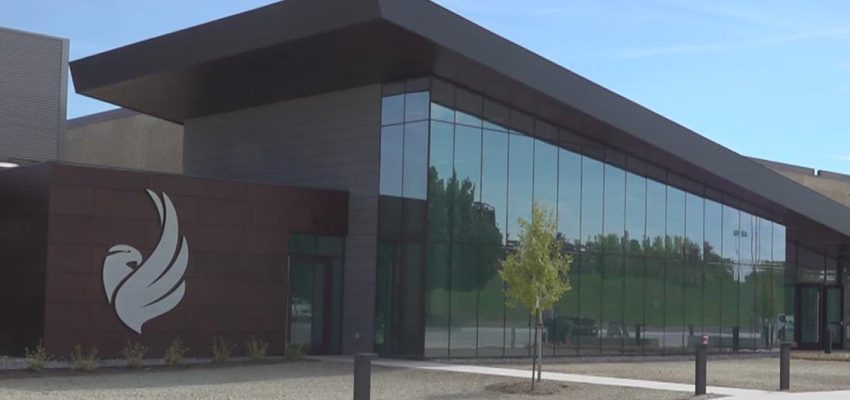

In a world increasingly shaped by algorithms, neural networks, and machine learning, the question isn’t whether artificial intelligence will transform our lives, but how we prepare for it. As an AI specialist and tech enthusiast, I’ve witnessed firsthand the incredible pace of innovation and the profound impact it’s having on every sector, from manufacturing to healthcare. This rapid evolution demands a fundamental shift in how we approach education and workforce development. It calls for institutions that are not just keeping pace, but actively building the future. This is precisely the foresight we see exemplified in the recent unveiling of the renovated Career and Technical Education (CTE) building at Black Hawk College.
While the news might seem like a local update on a college campus, its implications stretch far beyond the Quad Cities. It represents a vital investment in preparing the next generation for a workforce fundamentally different from the one our parents entered. This isn’t merely about updated classrooms; it’s about creating an environment where traditional skills meet cutting-edge technology, where hands-on learning integrates seamlessly with digital prowess. It’s about ensuring that vocational training remains relevant, robust, and responsive to the undeniable forces of automation and artificial intelligence.
AI in Technical Education: Paving the Way for Future-Ready Skills
The integration of artificial intelligence into various industries is no longer a futuristic concept; it is a present reality. From predictive maintenance in advanced manufacturing to AI-powered diagnostics in healthcare, and from automated logistics in supply chains to smart systems in automotive repair, AI is fundamentally reshaping the roles and responsibilities of skilled tradespeople. This paradigm shift underscores the urgent need for a new pedagogical approach within vocational training. An investment in facilities like the Black Hawk College CTE building is, in essence, an investment in the foundational infrastructure required to teach these new competencies.
Consider the manufacturing sector, a cornerstone of many regional economies. Once dominated by repetitive manual tasks, it now thrives on automation, robotics, and data analytics. A modern machinist doesn’t just operate a lathe; they program Computer Numerical Control (CNC) machines, interpret sensor data for quality control, and troubleshoot automated assembly lines. These tasks increasingly involve interacting with, and sometimes even training, AI systems. For instance, predictive maintenance, a key application of AI, relies on algorithms to analyze sensor data from machinery, identifying potential failures *before* they occur. Technicians trained in this environment need to understand not just the mechanics, but also the data streams and the underlying AI models that inform their work. This is where **AI in technical education** becomes critical – equipping students with the digital literacy, data interpretation skills, and an understanding of algorithmic processes that complement their traditional trade expertise.
Similarly, in the automotive industry, the rise of electric vehicles, autonomous driving systems, and complex onboard electronics demands a new breed of technician. Diagnostics are no longer purely mechanical; they involve deciphering error codes from sophisticated vehicle networks, often with the aid of AI-driven diagnostic tools that can pinpoint issues faster and more accurately than ever before. Black Hawk College’s commitment to modernizing its CTE offerings means that students will be trained on the very equipment and methodologies they will encounter in the field, ensuring they are not just employable, but truly competitive in a rapidly evolving job market. This proactive approach to education minimizes the skills gap, providing local industries with a ready supply of talent capable of navigating the complexities of an AI-enhanced workplace.
Bridging the Skills Gap: The Role of Modern CTE Facilities
The renovation of a building might sound mundane, but its true significance lies in the capabilities it unlocks. A modern CTE facility is far more than just classrooms and workshops; it is a dynamic learning ecosystem designed to foster innovation, critical thinking, and adaptability. What does this look like in the context of preparing students for an AI-driven future? It means dedicated labs for robotics and automation, where students can program collaborative robots (cobots) that work alongside humans. It means advanced simulation environments where complex industrial processes or intricate healthcare scenarios can be practiced safely and repeatedly, often with AI agents providing realistic challenges and feedback.
Furthermore, these facilities can integrate specialized areas for data analytics and cybersecurity – disciplines that underpin virtually every AI application. Whether it’s analyzing performance data from smart manufacturing lines, securing patient information in digital healthcare systems, or protecting the connected infrastructure of smart homes and cities, an understanding of data and security is paramount. The updated Black Hawk College building, by providing state-of-the-art equipment and flexible learning spaces, is poised to offer programs that not only teach traditional trades but also embed these crucial digital competencies. For example, welding students might learn about robotic welding systems and the AI algorithms that optimize weld quality, while HVAC students might delve into smart building management systems that use AI to optimize energy consumption.
Community colleges, by their very nature, are uniquely positioned to respond to local and regional workforce demands. Their agility allows them to quickly adapt curricula, partner with local industries, and provide accessible education pathways. The investment at Black Hawk College is a testament to this responsiveness. By creating an environment where students can work with the latest tools and technologies – from 3D printers and laser cutters to virtual reality training simulators and advanced diagnostic equipment – the college is fostering a generation of skilled professionals who are not just users of technology, but informed participants in its evolution. This extends beyond technical proficiency to include the ‘soft skills’ that AI cannot easily replicate: problem-solving, creative thinking, collaborative teamwork, and ethical decision-making. These human-centric attributes become even more valuable as AI takes over routine tasks, allowing humans to focus on higher-order challenges.
Beyond the Classroom: Cultivating an Innovation Ecosystem
The impact of a renovated CTE building extends well beyond the direct students it serves. Such a facility acts as a hub, fostering a collaborative ecosystem that benefits the entire community. It creates a vital pipeline of talent for local businesses, reducing the skills gap and enhancing regional competitiveness. Through internships, apprenticeships, and applied research projects, students can gain real-world experience, while businesses gain access to emerging talent and innovative solutions. This synergy is crucial for industries grappling with the integration of AI into their operations, providing them with skilled employees who understand both the mechanics of their trade and the digital tools transforming it.
Moreover, a modern CTE center can serve as a resource for continuous professional development for existing workers. As AI and automation continue to evolve, lifelong learning becomes an imperative. These facilities can offer short courses, certifications, and workshops designed to upskill and reskill the current workforce, ensuring that no one is left behind by technological advancements. Imagine a seasoned electrician learning to program smart home automation systems that leverage AI for energy efficiency, or a veteran mechanic getting certified in maintaining autonomous vehicle sensors. This commitment to ongoing education ensures that the local economy remains robust and adaptive.
From an AI specialist’s perspective, the ethical considerations and responsible development of AI are paramount. Vocational training, by its very practical nature, offers an excellent platform to instill these principles. As students work with AI-powered tools, they naturally encounter questions of data privacy, bias in algorithms, and the societal impact of automation. By integrating discussions and practical exercises around these topics, CTE programs can help cultivate a workforce that is not only technically proficient but also ethically aware and socially responsible in its deployment of AI.
In conclusion, the renovation of the Career and Technical Education building at Black Hawk College is more than just a physical upgrade; it is a strategic step towards building a resilient, adaptable, and future-ready workforce. It acknowledges the profound impact of AI on every aspect of our professional lives and takes proactive measures to equip individuals with the skills necessary to thrive in this new era. It underscores the critical importance of vocational training as a dynamic force, bridging the gap between traditional craftsmanship and the digital frontier.
As we navigate the complexities and opportunities presented by the AI revolution, investments in practical, hands-on education, especially in state-of-the-art facilities like this one, become indispensable. They represent our collective commitment to innovation, economic prosperity, and ensuring that human ingenuity continues to lead the way, even as our tools become increasingly intelligent. Black Hawk College is setting an inspiring example, demonstrating how community-focused education can effectively prepare individuals not just for jobs, but for meaningful careers in the exciting, AI-powered future.










