
From the exhilarating roar of a jet engine to the silent ballet of satellites orbiting Earth, the aerospace industry has long captured the human imagination, symbolizing progress, innovation, and the relentless pursuit of what lies beyond. For many, the dream of working in aviation or space begins with a childhood gaze upward, a fascination with flight, or a curiosity about the complex machinery that defies gravity. Yet, translating that youthful wonder into a tangible career path often requires more than just inspiration – it demands opportunity, mentorship, and hands-on experience.
This is precisely where initiatives like the summer camps hosted by institutions such as the Tulsa International Airport become invaluable. More than just a summer activity, these programs serve as crucial gateways, providing teenagers with an authentic, immersive introduction to a world teeming with potential. They are designed not merely to entertain but to educate, to demystify complex fields, and to empower the next generation of engineers, pilots, mechanics, air traffic controllers, and innovators who will shape the future of air and space travel. As an AI specialist with a deep passion for technology’s transformative power, I see these camps as foundational, not just for aerospace but for fostering the kind of interdisciplinary thinking that will drive all future industries, including the ever-evolving landscape of artificial intelligence.
Aerospace Career Exploration: A Launchpad for Future Innovators
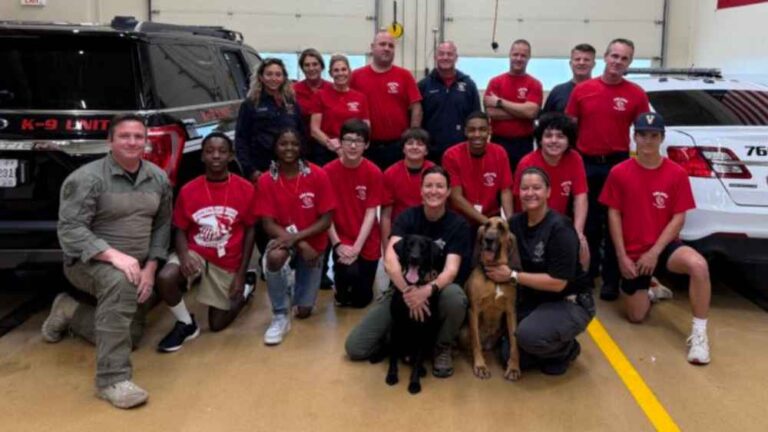
The opportunity for meaningful Aerospace Career Exploration is paramount for young people considering a future in this dynamic field. Tulsa International Airport’s summer Aerospace Career Exploration (ACE) camps offer local teenagers a unique chance to step behind the scenes of a bustling airport and explore the myriad professions that keep the industry soaring. These aren’t just theoretical discussions; they are meticulously designed programs that provide practical insights and direct engagement with the various facets of aviation.
Participants in the ACE camps gain invaluable exposure to a wide spectrum of aviation roles. They might spend time with air traffic controllers, learning about the intricate dance of aircraft movements and the cutting-edge technology that ensures safety and efficiency in the skies. They could interact with aircraft maintenance technicians, understanding the rigorous demands of ensuring an aircraft is airworthy and delving into the mechanics, avionics, and structural integrity of modern planes. For those with a burgeoning interest in engineering, the camps often offer insights into aircraft design, aerodynamics, and the materials science that makes flight possible.
Crucially, these camps move beyond the most commonly perceived roles like pilots and flight attendants, opening up a universe of possibilities. They highlight careers in airport operations, safety and security management, logistics, ground handling, and even the administrative and business aspects of running a major international airport. This comprehensive approach ensures that every participant, regardless of their specific inclination, can find a niche that resonates with their skills and aspirations. Such immersive programs are not just about showing what a job entails; they’re about sparking a lifelong passion and providing the tools and knowledge to pursue it.
Beyond the Cockpit: A Universe of Opportunities in Aerospace
While the image of a pilot soaring through the clouds often dominates public perception, the aerospace industry is an intricate ecosystem supported by a vast array of specialized professionals. The need for talent across this spectrum is immense and growing. According to Boeing’s Pilot & Technician Outlook 2023-2042, the industry will require 649,000 new commercial pilots, 690,000 new maintenance technicians, and 937,000 new cabin crew members globally over the next two decades. This staggering demand underscores the critical importance of robust `Aerospace Career Exploration` programs like those offered at Tulsa International Airport.
But the opportunities extend far beyond these traditional roles. Consider the field of aerospace engineering, which encompasses everything from designing more fuel-efficient aircraft and advanced propulsion systems to developing next-generation spacecraft for lunar missions and beyond. Materials scientists are innovating lighter, stronger composites; software engineers are crafting the complex flight management systems and artificial intelligence algorithms that power modern aviation; and cybersecurity experts are safeguarding critical infrastructure from digital threats. Furthermore, the rise of commercial spaceflight, spearheaded by companies like SpaceX and Blue Origin, is creating entirely new categories of jobs, from space tourism operators and rocket engineers to mission control specialists.
The rapidly evolving landscape of drones and Urban Air Mobility (UAM) is another fertile ground for innovation and career growth. The development of electric vertical takeoff and landing (eVTOL) aircraft promises to revolutionize urban transportation, creating demand for experts in electric propulsion, autonomous systems, route optimization, and regulatory compliance. Similarly, the drive towards sustainable aviation fuels (SAFs) and hydrogen-powered aircraft opens doors for chemical engineers, environmental scientists, and policy experts. These are not merely futuristic concepts; they are current projects actively seeking skilled professionals, many of whom are still in high school today.
Tulsa’s Vision: Nurturing the Next Generation of Aviation Leaders
Tulsa, Oklahoma, holds a historically significant and strategically vital position within the broader aerospace industry, particularly in the realm of Maintenance, Repair, and Overhaul (MRO). The city is home to one of the largest airline maintenance bases in the world, American Airlines’ base, which has been a cornerstone of its economy and a hub for highly skilled aviation professionals for decades. This rich heritage and existing infrastructure make Tulsa an ideal location for fostering the next generation of aerospace talent. The Tulsa International Airport’s commitment to `Aerospace Career Exploration` through its ACE camps is a direct reflection of this local pride and strategic foresight.
These camps are more than just a local initiative; they represent a crucial investment in the future workforce. By engaging teenagers directly with the industry at a young age, Tulsa is actively cultivating a pipeline of skilled professionals who are not only familiar with the demands of the sector but also deeply ingrained in the local ecosystem. This localized approach helps to retain talent, strengthen the regional economy, and ensure that Tulsa continues to be a leader in aviation services and innovation. The camps serve as a bridge between academic learning and real-world application, offering a tangible connection to career paths that might otherwise seem abstract.
Moreover, the airport’s initiative highlights a broader commitment to community development and educational outreach. By providing accessible pathways into high-demand, high-skill careers, they are empowering young people from diverse backgrounds to pursue fulfilling and impactful professions. This kind of investment is vital for ensuring equitable access to opportunity and for building a resilient, adaptable workforce capable of navigating the complexities of modern technological advancements. The blend of local expertise and a forward-looking vision makes Tulsa’s approach to `Aerospace Career Exploration` a compelling model for other regions.
The Horizon Ahead: AI, Innovation, and the Future of Flight
As someone deeply immersed in the world of artificial intelligence, I find the intersection of AI and aerospace particularly fascinating. The future of flight, whether in our skies or venturing into space, is inextricably linked with advancements in AI, machine learning, and automation. Programs like the ACE camps, while focusing on foundational aerospace principles, indirectly prepare students for a future where these technologies are central to every aspect of the industry. Understanding the basics of aircraft operation, maintenance, and air traffic control provides a vital context for appreciating how AI can optimize, enhance, and even revolutionize these processes.
Consider the role of AI in predictive maintenance, where algorithms analyze vast datasets from aircraft sensors to predict potential component failures before they occur. This not only significantly improves safety but also reduces operational costs and minimizes downtime. In air traffic control, AI-powered systems are being developed to optimize flight paths, reduce congestion, and manage complex airspaces with unprecedented efficiency, a critical step towards `Aerospace Career Exploration` in a rapidly evolving sector. Autonomous systems, from advanced drones for inspections and deliveries to future self-flying aircraft, rely heavily on sophisticated AI for perception, decision-making, and navigation.
Beyond operations, AI is transforming aerospace manufacturing, logistics, and design. Generative AI tools are assisting engineers in designing more efficient and aerodynamic components, while machine learning optimizes supply chains for spare parts. The ability to analyze massive amounts of flight data enables airlines to improve fuel efficiency, personalize passenger experiences, and enhance safety protocols. For the teenagers attending these summer camps, while they might not be coding AI algorithms directly, the critical thinking, problem-solving skills, and exposure to the rigorous demands of aerospace lay the groundwork for engaging with these advanced technologies later in their careers. They are learning to think systematically, a prerequisite for understanding and developing complex AI systems.
The challenges and opportunities in aerospace are immense. From achieving truly sustainable aviation to facilitating commercial space travel and exploring urban air mobility solutions, the industry stands on the cusp of transformative change. These innovations will require not just traditional aerospace expertise but also a new generation of professionals who are fluent in data science, artificial intelligence, robotics, and advanced computing. Early exposure through programs like the ACE camps is crucial for inspiring young minds to pursue the diverse skill sets necessary to meet these future demands, ensuring they are prepared to be the architects of tomorrow’s skies.
The `Aerospace Career Exploration` camps at Tulsa International Airport represent far more than just a summer activity; they are a critical investment in the future of an industry that continues to push the boundaries of human ingenuity. By offering immersive experiences, practical insights, and direct mentorship, these programs empower young minds to envision themselves as integral parts of the next wave of aerospace innovation. They demystify complex fields, highlight the vast array of career paths available, and instill a sense of purpose and excitement in those who will soon inherit the responsibility of shaping our skies and venturing beyond.
As the aerospace landscape continues its rapid evolution, driven by technological advancements like AI, sustainable practices, and the burgeoning space economy, the need for skilled, passionate, and forward-thinking individuals will only intensify. Initiatives like Tulsa’s ACE camps are not just filling a pipeline; they are igniting dreams, fostering critical skills, and laying the foundational groundwork for a workforce equipped to tackle the challenges and harness the opportunities of tomorrow. They remind us that the journey of a thousand miles, or in this case, a thousand light-years, begins with a single, inspiring step.