

In an era defined by rapid technological advancement and ever-shifting market demands, the journey from academia to a fulfilling professional life has become more intricate than ever. For university students worldwide, the challenge isn’t merely about acquiring knowledge but about building bridges to the future. It’s about understanding the subtle nuances of industries, forging meaningful connections, and cultivating a skillset that remains relevant in the face of disruptive innovations like artificial intelligence. Events specifically designed for career development are no longer just supplementary; they are foundational to navigating this complex landscape. They represent a vital nexus where academic rigor meets real-world application, equipping the next generation with the foresight and tools to thrive.
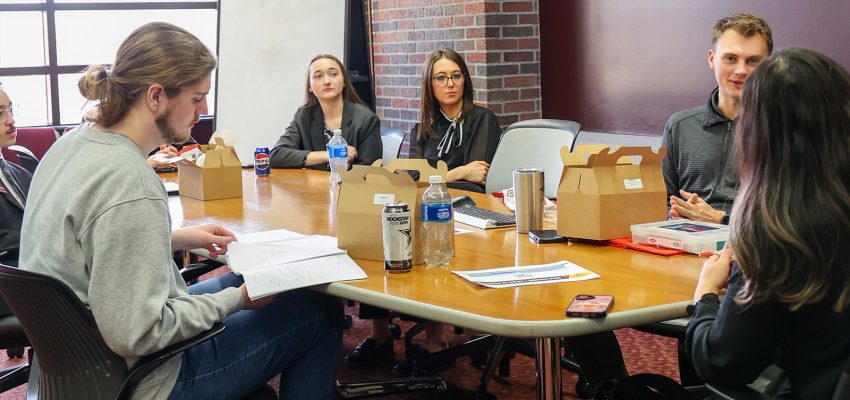
Recently, students at Central Michigan University (CMU) had a prime opportunity to engage with this very philosophy. Through a meticulously organized career development event at Grawn Hall, they connected directly with industry professionals, participating in insightful panels, interactive breakout sessions, and dynamic networking opportunities. This gathering wasn’t just a day out of class; it was an investment in their professional futures, a chance to glimpse beyond the lecture hall and understand the tangible demands and exciting prospects awaiting them. From my perspective as an AI specialist and tech enthusiast, such initiatives are indispensable, acting as crucial accelerators for professional growth in a world increasingly shaped by technology.
Career Development: Navigating the Future of Work
The concept of career development has evolved dramatically over the past few decades. Gone are the days when a single degree guaranteed a lifelong career path. Today, the professional trajectory is a dynamic, multi-faceted journey requiring continuous learning, adaptability, and a proactive approach to skill enhancement. At its core, career development encompasses all the activities and processes that help individuals plan, manage, and grow their careers. This includes identifying personal strengths, exploring career options, setting goals, acquiring new skills, and building a robust professional network. It is an ongoing process that begins long before graduation and extends throughout one’s working life.
For students, particularly, the early stages of career development are critical. It’s during this formative period that foundational experiences can significantly influence future success. Events like the one at CMU provide a structured environment for these crucial early steps. They bridge the gap between theoretical learning and practical industry demands, offering students a rare glimpse into the day-to-day realities and strategic challenges faced by professionals in various fields. Panel discussions, for instance, offer a panoramic view of industry trends, emerging technologies, and critical skills from the mouths of those living and breathing the work. These insights are often far richer and more current than what can be gleaned from textbooks or online research alone. Professionals share their journeys, their missteps, and their triumphs, providing invaluable lessons that resonate deeply with aspiring individuals.
Moreover, the structure of such events, with breakout sessions, allows for deeper dives into specific topics or industries. Students can choose sessions most relevant to their interests, enabling more focused learning and interaction. Imagine a computer science student attending a session on ethical AI development, or a business student engaging with a panel discussing sustainable supply chains. These targeted interactions not only provide specific knowledge but also help students refine their interests and identify potential niches within their chosen fields. It transforms abstract academic concepts into tangible career possibilities, igniting passion and direction.
Beyond the Classroom: The Power of Real-World Connections
Perhaps one of the most potent aspects of these career development gatherings is the emphasis on networking. In an increasingly digital world, the value of face-to-face interaction remains unparalleled. Networking is more than just collecting business cards; it’s about building genuine relationships, exchanging ideas, and creating a supportive ecosystem that can propel one’s career forward. For students, these interactions can lead to internships, mentorships, and even their first job offers. A brief conversation with an industry veteran at a networking reception could spark an idea, open a door, or provide a critical piece of advice that alters the course of their professional journey.
Research consistently shows that a significant percentage of job opportunities are secured through networking. A study by LinkedIn, for example, found that 85% of all jobs are filled via networking. This underscores the immense value of events that facilitate such connections. For CMU students, meeting professionals directly meant they could ask questions about day-to-day tasks, company culture, career trajectories, and even inquire about unadvertised opportunities. These are the informal channels of information that often prove most valuable, offering a competitive edge in a crowded job market. Professionals, on the other hand, benefit from meeting enthusiastic, talented students who could become future employees or collaborators, keeping their organizations vibrant with fresh perspectives and innovative ideas.
The impact of networking extends beyond immediate job prospects. It fosters a sense of community and belonging within an industry, allowing individuals to feel connected to a larger purpose. It provides a platform for mentorship, where experienced professionals can guide younger talent, sharing wisdom accumulated over years. This intergenerational transfer of knowledge is crucial for sustaining industries and preparing them for future challenges. Furthermore, through networking, students can gain invaluable insights into the unspoken rules of professional conduct, the soft skills that are often as important as technical expertise, and the cultural nuances of different workplaces. These are lessons that cannot be taught in a classroom but are absorbed through active engagement and observation in a professional setting.
Preparing for Tomorrow: Skills, AI, and Lifelong Learning
The world of work is in constant flux, driven by relentless innovation. As an AI specialist, I’ve witnessed firsthand how technologies like machine learning, automation, and data analytics are not just changing jobs but creating entirely new categories of work. This dynamism places an immense premium on adaptability and a commitment to lifelong learning. A successful career development strategy today must inherently acknowledge this reality.
Events focusing on career development are instrumental in highlighting these evolving skill requirements. Industry professionals often speak about the demand for skills that go beyond traditional academic knowledge, such as critical thinking, problem-solving, creativity, emotional intelligence, and collaboration. These ‘soft skills,’ once considered secondary, are now paramount, especially as AI takes over more routine and repetitive tasks. For example, while AI can analyze vast datasets, it still requires human creativity to formulate the right questions, interpret complex results, and apply insights in novel ways.
The impact of artificial intelligence is particularly transformative. AI is not just a tool; it’s a paradigm shift. Understanding its implications for various sectors – from healthcare to finance, manufacturing to media – is no longer optional but essential for anyone planning a future career. This understanding doesn’t necessarily mean everyone needs to become an AI developer, but rather that professionals across all disciplines need to grasp how AI will interact with their roles, automate certain processes, and open new avenues for innovation. Discussions at events like CMU’s often touch upon these technological shifts, providing students with a forward-looking perspective.
Furthermore, these events can inspire students to explore interdisciplinary fields. As technology blurs traditional boundaries, careers that combine diverse skill sets are increasingly in demand. Think of data ethicists, AI product managers, or digital transformation consultants – roles that blend technical acumen with strong communication, ethical reasoning, and business understanding. A well-rounded career development approach encourages students to think beyond rigid departmental lines and embrace the convergence of disciplines.
The commitment to lifelong learning is perhaps the single most critical attribute for future success. The skills learned today might be outdated tomorrow, making continuous upskilling and reskilling imperative. Professionals who engage with students often emphasize this, sharing how they themselves continually adapt to new tools and methodologies. This message of persistent growth is vital for students to internalize, preparing them not just for their first job, but for a dynamic and rewarding career spanning decades.
In conclusion, the significance of proactive career development cannot be overstated in today’s fast-evolving professional landscape. The event at CMU, with its thoughtfully curated panels, engaging breakout sessions, and invaluable networking opportunities, stands as a testament to the crucial role universities play in preparing students for the future. It’s through these direct interactions with industry leaders that abstract academic concepts gain real-world context, helping students identify their passions, understand market demands, and build the foundational relationships that will support their careers. As an AI specialist, I believe such initiatives are more important than ever, equipping the next generation not just with technical skills, but with the adaptability, critical thinking, and human-centric approaches necessary to thrive alongside emerging technologies.
The path to professional success is rarely linear, and the future of work will demand resilience, creativity, and a relentless curiosity. By actively participating in events focused on career development, students are not just seeking jobs; they are architecting their futures. They are learning to connect, to adapt, and to envision themselves as active contributors to a world shaped by innovation. These experiences foster a mindset of continuous growth, preparing them to not only navigate the challenges posed by technological advancements like AI but to harness them for positive impact. The investment in these opportunities today will undoubtedly yield profound dividends for individuals and industries alike tomorrow, cultivating a workforce that is robust, agile, and ready to lead.










