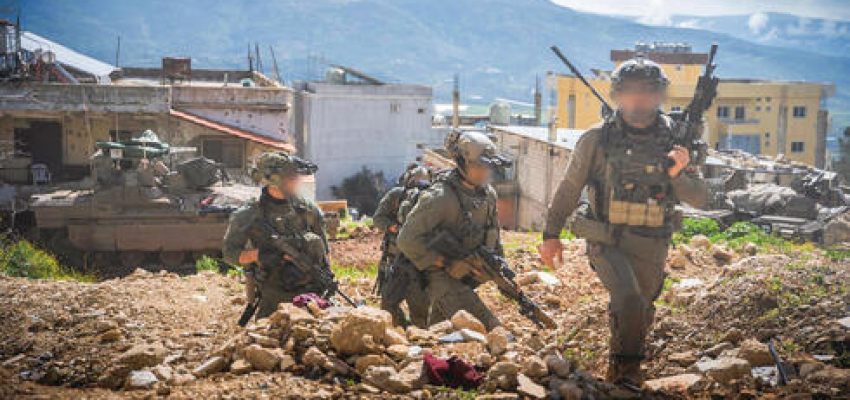

In the annals of national service, few concepts carry as much weight and resonance as the reserve duty – a vital commitment that underpins the defense capabilities of many nations. Yet, beneath the surface of this noble dedication lies a complex web of personal and economic challenges, often unseen by the broader public. In Israel, a nation deeply reliant on its citizen-soldiers, the prolonged nature of recent reserve deployments has cast a significant shadow over the lives and livelihoods of thousands. What began as an urgent call to arms has evolved into a sustained period of service, creating ripple effects that are now being meticulously analyzed by leading research institutions.
A recent study from the esteemed Taub Center for Social Policy Studies in Israel has brought these hidden costs to the forefront, issuing a stark warning about the potential long-term damage. The report indicates that an extended commitment to reserve duty since October 7th is not merely an inconvenience but a profound disruption, delaying studies, stalling careers, and significantly eroding wages for a substantial portion of the population. For many, the call to defend their nation is unwavering, but the economic and professional sacrifices exacted by prolonged absence from civilian life are becoming increasingly difficult to bear. As an AI specialist and tech enthusiast, I’m constantly drawn to how data helps us understand complex societal dynamics, and this report from the Taub Center provides a critical, data-driven lens into a pressing human issue.
Israeli Reservists: Unpacking the Economic and Social Toll
The Taub Center, renowned for its independent, non-partisan research on Israel’s socio-economic landscape, presented findings that paint a sobering picture. The study highlights that approximately 70,000 students were among those who served in the past year, representing a significant segment of the nation’s academic and future professional pipeline. This figure alone underscores the scale of impact, as these young men and women are not only pausing their education but potentially delaying their entry into the workforce and their contributions to the national economy. The long-term implications for these individuals, their families, and the wider Israeli society are profound, demanding a closer examination.
One of the most immediate and tangible impacts is financial. The study reveals a concerning trend: **Israeli reservists** risk losing up to 20% of their annual pay due to their extended service. This percentage, while an average, translates into substantial financial hardship for many households, particularly those with single earners or young families. Furthermore, the average compensation per reserve day has reportedly fallen by approximately 30%. This dual squeeze—lost civilian income combined with potentially reduced daily compensation—creates a formidable financial strain. It’s crucial to understand why this disparity arises. Civilian salaries often reflect specialized skills, accumulated experience, and market demand, which typically exceed the standardized daily pay rates for reservist duty. When individuals are pulled away from high-earning professional roles—be it in technology, medicine, law, or entrepreneurship—the gap between their potential civilian income and their military compensation can be vast. This isn’t just a matter of ‘lost income’; it’s about disrupted financial planning, delayed investments, and a reduced capacity to meet daily living expenses, mortgages, and other commitments.
The economic ramifications extend beyond individual households. When tens of thousands of productive members of the workforce are engaged in reserve duty, there’s an inevitable slowdown in various sectors. Small businesses struggle with absent owners or key employees, larger corporations face project delays, and the overall national productivity takes a hit. The Israeli economy, known for its vibrant high-tech sector and entrepreneurial spirit, relies heavily on its human capital. Prolonged absence of a significant portion of this capital can lead to broader economic stagnation, impacting tax revenues, consumer spending, and international competitiveness. Addressing the needs of these **Israeli reservists** isn’t just a matter of social welfare; it’s a strategic economic imperative.
Beyond the Battlefield: The Hidden Costs to Careers and Education
The economic burden, though significant, is but one facet of the challenge. The Taub Center’s study also meticulously details the career and educational stalls that are becoming increasingly prevalent. For professionals, prolonged reserve duty can mean missed promotions, loss of critical project involvement, and even skill degradation. In fast-paced industries like technology, where constant learning and adaptation are key, an absence of several months can put individuals at a significant disadvantage upon their return. They might find themselves behind on new software developments, industry trends, or crucial networking opportunities. Imagine an engineer missing a product launch cycle, or a doctor missing advancements in medical procedures. The ripple effect on their long-term career trajectory can be substantial, making it harder to catch up or regain momentum.
For those in self-employment or operating small businesses, the impact can be even more severe. The absence of a key founder or sole proprietor can lead to significant revenue loss, client attrition, or even the outright collapse of a venture. These individuals often bear the entire financial risk of their business, and their inability to manage operations can have devastating personal and professional consequences. The uncertainty of when they might return, or if they will be called up again, adds another layer of anxiety, making it difficult to plan for the future or attract new investments. The mental toll of watching one’s professional life put on hold, or even regress, while serving the nation is an emotional burden that should not be underestimated.
Education, the bedrock of future prosperity, is another major casualty. The 70,000 students serving as **Israeli reservists** face unique challenges. Their academic timelines are severely disrupted, leading to delayed graduation, extended tuition periods, and a later entry into the job market. This can have cascading effects on their ability to secure good jobs, start families, or buy homes. Beyond just the delay, the pressure of balancing demanding military service with academic responsibilities can compromise academic performance. Many might return to their studies needing significant catch-up, or struggle with the mental transition from combat zone to classroom. Universities are scrambling to adapt, offering extensions and support, but the systemic disruption to an entire generation of students poses a significant challenge for Israel’s intellectual and professional future. The psychological impact on these young adults, grappling with both the immediate pressures of service and the long-term anxieties about their stalled futures, warrants urgent attention.
Charting a Path Forward: Supporting Those Who Serve
The findings from the Taub Center are not just a diagnosis of a problem; they serve as a critical call to action. Addressing the multifaceted challenges faced by **Israeli reservists** requires a comprehensive and multi-pronged approach involving government, educational institutions, employers, and civil society. One immediate area for improvement lies in the financial compensation mechanisms. Revisiting the daily reserve pay rates to ensure they more adequately reflect the opportunity cost of civilian employment, especially for highly skilled professionals, could mitigate some of the financial burden. Additionally, creating more robust national insurance benefits or direct grants to cover lost wages and business losses for self-employed reservists would offer crucial support.
Beyond financial measures, robust career reintegration programs are essential. These could include government-subsidized retraining programs, mentorship initiatives, and preferential hiring schemes for returning reservists. Employers, too, have a vital role to play, fostering a culture of support that prioritizes flexibility, understanding, and proactive re-onboarding processes for their employees returning from duty. For student reservists, universities must continue to innovate with flexible academic calendars, deferred enrollment options, and comprehensive academic and psychological support services. This could involve specialized tutoring, counseling for post-traumatic stress or adjustment difficulties, and career guidance tailored to their unique circumstances. International examples, such as the GI Bill in the United States, which provides extensive educational benefits to veterans, offer valuable models for long-term investment in those who serve.
Ultimately, supporting **Israeli reservists** is not merely an act of gratitude; it is a strategic investment in the nation’s future. These individuals are the backbone of Israel’s security and its economy. Their well-being, both financial and professional, directly correlates with the nation’s overall resilience and prosperity. The data presented by the Taub Center provides an undeniable imperative for policy makers to develop and implement sustainable solutions that honor the immense sacrifices made by these citizen-soldiers. It’s about ensuring that those who stand ready to protect the nation are not left to shoulder an unbearable burden in their civilian lives.
The findings of the Taub Center underscore a critical truth: the cost of national defense extends far beyond military budgets and equipment. It deeply impacts the lives of individuals, their families, and the intricate fabric of society. As **Israeli reservists** continue to answer the call, often at great personal and professional expense, it is incumbent upon the nation to reciprocate with policies and support systems that ensure their long-term well-being and facilitate their seamless reintegration into civilian life.
As an AI specialist, I believe that data-driven insights like those from the Taub Center are invaluable tools for identifying societal challenges and crafting effective, empathetic solutions. By acknowledging the economic and social burdens faced by those who serve, and by proactively addressing them, Israel can reinforce its foundational commitment to its people, ensuring that the spirit of national service remains strong and sustainable for generations to come.