
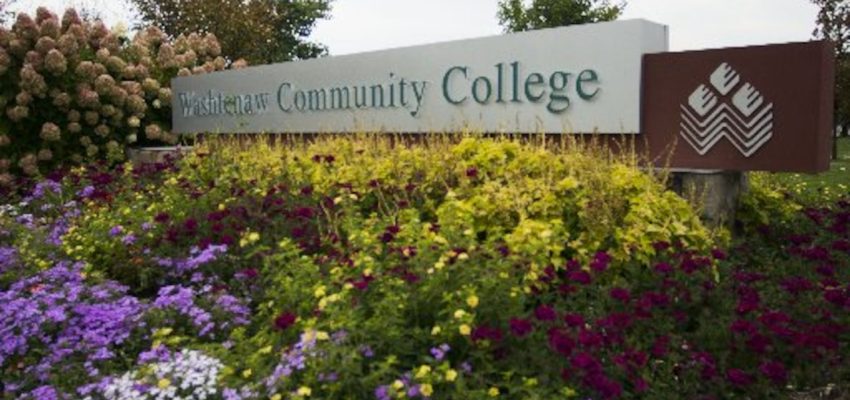

In an era defined by relentless technological advancement, the landscape of education is continuously evolving to meet the demands of emerging industries. As artificial intelligence transitions from futuristic concept to everyday utility, the need for a skilled workforce capable of harnessing its power has never been more urgent. Educational institutions worldwide are responding, and Washtenaw Community College (WCC) stands out as a proactive leader, recently announcing the addition of four career-focused programs for the upcoming fall semester. Among these forward-thinking initiatives—which include an Early Childhood Administrator certificate, Paralegal Studies certificate, and a Public Policy Associate of Arts degree—one particular offering resonates deeply with the pulse of innovation: the **AI Applications** certificate program. This new program isn’t just another course offering; it represents a strategic pivot towards empowering the next generation with the practical expertise required to navigate and shape our increasingly intelligent world.
### AI Applications: Bridging the Skill Gap in the Digital Age
The burgeoning field of artificial intelligence is rapidly reshaping every sector, from healthcare and finance to manufacturing and entertainment. The demand for professionals who understand not just the theory but, crucially, the practical implementation of AI is skyrocketing. A recent report by LinkedIn indicated a significant year-over-year growth in AI-related job postings, with roles like Machine Learning Engineer and Data Scientist consistently ranking among the most in-demand positions. Yet, a persistent skill gap remains, underscoring the vital role of educational programs that can quickly and effectively equip individuals with relevant competencies. This is precisely where WCC’s new **AI Applications** certificate program makes a profound impact.
Unlike purely theoretical academic tracks, a program focused on **AI Applications** emphasizes hands-on learning and practical deployment. Students will delve into real-world scenarios, learning to apply machine learning algorithms, understand data pipelines, and develop solutions using intelligent systems. This practical approach ensures graduates are not just knowledgeable about AI, but are adept at using it to solve complex problems and drive innovation within businesses and organizations. The curriculum is designed to be agile, incorporating the latest tools and techniques in areas such as natural language processing (NLP), computer vision, predictive analytics, and automation.
Consider the breadth of career opportunities this opens up. Graduates could pursue roles as AI specialists, machine learning operations (MLOps) engineers, data analysts specializing in AI, or even AI project managers. They might work in tech companies developing new AI products, in manufacturing optimizing production lines with intelligent automation, in financial institutions detecting fraud, or in healthcare improving diagnostic tools. The potential for impact is virtually limitless. According to Glassdoor, the average salary for an AI Engineer in the United States often exceeds $120,000, reflecting the high value placed on these specialized skills. For individuals looking to pivot careers, re-skill for a changing job market, or simply gain a competitive edge, a certificate in **AI Applications** offers a direct and accelerated pathway to these high-demand, high-growth roles.
WCC’s decision to offer this certificate reflects a keen understanding of both global trends and local workforce needs. Community colleges, by their very nature, are designed to be responsive and agile, serving as vital pipelines for skilled labor within their regions. By providing accessible and affordable education in cutting-edge fields like AI, WCC is not only empowering its students but also contributing significantly to the economic vitality and technological readiness of the wider community. This responsiveness ensures that businesses in Michigan and beyond have access to a talent pool prepared for the challenges and opportunities of the AI era. The focus on “applications” also signifies a commitment to ensuring students gain immediately transferable skills, making them valuable assets from day one in their new roles.
### Washtenaw Community College’s Holistic Vision for Workforce Development
While the **AI Applications** certificate program rightly garners significant attention for its forward-thinking nature, it’s crucial to view it within the broader context of WCC’s comprehensive approach to workforce development. The simultaneous introduction of an Early Childhood Administrator certificate, a Paralegal Studies certificate, and a Public Policy Associate of Arts degree underscores a holistic understanding of societal needs. These diverse programs, though seemingly disparate, share a common thread: addressing critical skill gaps and providing accessible pathways to stable, in-demand careers across various sectors.
The Early Childhood Administrator certificate, for instance, responds to the vital and growing demand for qualified professionals in early education—a sector fundamental to societal well-being and future workforce readiness. Similarly, the Paralegal Studies certificate addresses the continuous need for legal support staff, offering a rigorous program that equips students with the essential knowledge and practical skills required in legal offices, corporations, and government agencies. This program is particularly attractive for those seeking to enter the legal field without the extensive time and financial commitment of a full law degree, providing a crucial entry point into a professional career.
Meanwhile, the Public Policy Associate of Arts degree prepares students for roles in government, non-profit organizations, and advocacy groups, fostering an understanding of policy analysis, civic engagement, and public service. In an increasingly complex world, the ability to analyze, formulate, and implement effective public policies is more critical than ever. These programs collectively demonstrate WCC’s commitment to serving a wide spectrum of community needs, ensuring that individuals from all walks of life have opportunities to acquire valuable skills and contribute meaningfully to their communities. It’s a testament to the college’s mission of providing relevant, high-quality education that directly translates into career success, whether in tech, education, law, or public service.
### Empowering the Next Generation of Innovators and Problem Solvers
Looking beyond the immediate career benefits, programs like WCC’s **AI Applications** certificate are pivotal in shaping the very fabric of our future. As AI continues to evolve, it will not only automate routine tasks but also augment human capabilities, enabling us to tackle previously intractable problems. This necessitates a workforce that is not only proficient in AI tools but also possesses critical thinking, ethical reasoning, and creativity. Educational programs must foster these higher-order skills, preparing students not just for current job descriptions but for roles that have yet to be invented.
The development of artificial intelligence is not merely a technical challenge; it’s a societal one. Ethical considerations, data privacy, algorithmic bias, and the societal impact of automation are complex issues that require thoughtful engagement from all stakeholders. By integrating practical **AI Applications** into its curriculum, WCC is not just teaching students how to code or implement algorithms; it is also implicitly encouraging them to consider the broader implications of their work. They are being trained to be responsible innovators, understanding that powerful tools come with significant responsibilities.
Moreover, accessible programs in advanced technologies like AI democratize opportunity. Historically, access to cutting-edge tech education might have been limited to elite universities or specialized bootcamps with prohibitive costs. Community colleges, by stepping into this space, make these invaluable skills available to a much broader demographic, fostering diversity in the AI field and ensuring that innovation is driven by a wider range of perspectives. This broad accessibility is crucial for developing robust, fair, and beneficial AI solutions for everyone.
### Conclusion: A Vision for an Intelligent Future
Washtenaw Community College’s introduction of the **AI Applications** certificate program, alongside its other valuable new offerings, is a testament to its visionary leadership in education. In a world increasingly driven by data and intelligent systems, providing accessible, practical training in artificial intelligence is not just a trend; it’s an imperative. WCC is not merely reacting to market demands; it is actively shaping the future workforce, equipping individuals with the tools and knowledge necessary to thrive in an AI-powered economy.
As we look ahead, the ability to understand, utilize, and ethically develop **AI Applications** will be a cornerstone of professional success across virtually every industry. By investing in programs that focus on practical implementation and critical thinking, institutions like WCC are doing more than just granting certificates; they are empowering a generation of innovators, problem-solvers, and responsible technologists who will define the next chapter of human ingenuity. The future is intelligent, and WCC is ensuring its students are ready to lead the way.










