
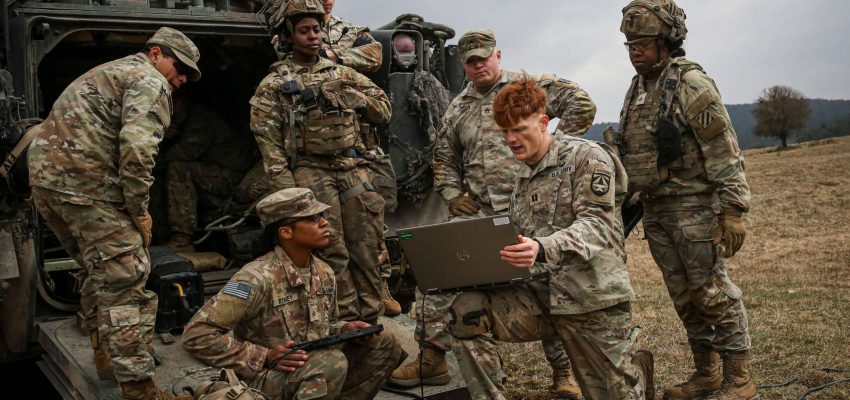

The dawn of the 21st century has been undeniably marked by the relentless march of artificial intelligence. From revolutionizing industries to reshaping daily life, AI’s pervasive influence is undeniable. But perhaps nowhere is its transformative potential — and urgent necessity — more profound than in the realm of national security and defense. As an AI specialist and enthusiast, I’ve watched with keen interest as militaries worldwide grapple with integrating these powerful tools. It is with this backdrop that the recent announcement from the U.S. Army stands out: a dedicated AI and machine learning career path for its officers.
This isn’t just another program; it signals a fundamental shift in how one of the world’s most formidable defense forces perceives and prepares for the future of conflict. The decision to establish a formal track for officers to specialize in AI and machine learning is not merely an acknowledgment of technological advancement; it’s a strategic imperative. Beginning January 5th, officers interested in transferring into this specialized field will be able to apply through the service’s Voluntary Transfer Incentive Program (VTIP), opening a gateway for dedicated talent to shape the Army’s technological capabilities from within. This development reflects a critical understanding that the wars of tomorrow will be fought not just with conventional weaponry, but with data, algorithms, and cognitive superiority.
AI and Machine Learning Career Path: A Strategic Imperative
The U.S. Army’s decision to formalize an AI and machine learning career path for its officers underscores a proactive stance in an increasingly complex global landscape. For too long, the integration of advanced technology in defense has often been reactionary, adapting to emergent threats rather than anticipating them. This new initiative, however, represents a deliberate investment in human capital, recognizing that sophisticated hardware is only as effective as the minds that design, deploy, and understand its underlying intelligence. The Voluntary Transfer Incentive Program (VTIP) acts as a crucial mechanism, allowing seasoned officers from various backgrounds to pivot into this high-demand specialization. This means that individuals who have already demonstrated leadership, strategic thinking, and a deep understanding of military operations can now apply those skills to the cutting edge of technological warfare.
The strategic imperative behind this move is multifaceted. Firstly, modern warfare is increasingly data-driven. From vast streams of intelligence, surveillance, and reconnaissance (ISR) data collected by drones and satellites to intricate logistics networks and cyber defense systems, the sheer volume of information can overwhelm human analysts. AI and machine learning algorithms excel at processing, analyzing, and identifying patterns within massive datasets at speeds and scales impossible for humans alone. Having officers trained in these disciplines means the Army can develop its own tailored solutions, understand vendor capabilities more deeply, and crucially, maintain control over its intellectual property and operational security.
Secondly, the competitive landscape demands it. Peer and near-peer adversaries are rapidly advancing their own AI capabilities, understanding that dominance in this field can confer a significant advantage across all domains of warfare—land, sea, air, space, and cyber. Countries like China and Russia have explicitly prioritized AI development for military applications, investing heavily in research and integration. For the U.S. Army to maintain its qualitative edge and ensure national security, it must cultivate a force that is not only proficient in using AI tools but also in developing, evaluating, and strategically integrating them into operational frameworks. This includes understanding the ethical implications and potential vulnerabilities of AI systems, a critical component of responsible deployment.
This new career path is therefore not just about creating technicians; it’s about cultivating a new generation of “digital warfighters” – leaders who can bridge the gap between battlefield realities and complex algorithmic capabilities. These officers will be instrumental in guiding the Army’s adoption of AI, ensuring that technology serves strategic objectives effectively and ethically. They will be the architects of future defense strategies, leveraging AI to enhance decision-making, optimize resource allocation, and ultimately, protect service members and national interests.
The Battlefield of Tomorrow: Why AI is Indispensable
The conceptualization of warfare has evolved dramatically, shifting from attrition-based models to approaches emphasizing information superiority, precision, and speed. In this new paradigm, artificial intelligence and machine learning are not just supplementary tools; they are foundational to every facet of military operations. Consider the immense potential across various domains:
* **Intelligence, Surveillance, and Reconnaissance (ISR):** AI algorithms can sift through petabytes of sensor data – from satellite imagery and drone footage to signals intelligence – to identify targets, detect anomalies, and predict enemy movements far more quickly and accurately than human analysts. This dramatically reduces the time from observation to decision, a critical advantage in dynamic combat environments. For example, Project Maven, an early Pentagon AI initiative, focused on using machine learning to analyze drone footage, significantly accelerating target identification and improving situational awareness for warfighters.
* **Logistics and Predictive Maintenance:** The U.S. military operates one of the most complex supply chains in the world. AI can optimize these networks, predicting equipment failures before they occur, optimizing routes for supplies, and managing inventory more efficiently. This translates to reduced downtime for critical assets, lower operational costs, and enhanced readiness. Imagine AI systems analyzing sensor data from a Humvee engine, flagging potential issues days or weeks in advance, allowing for proactive maintenance rather than reactive repairs, thereby keeping more vehicles in the field.
* **Cybersecurity and Cyber Warfare:** AI is both a weapon and a shield in the digital realm. Machine learning can rapidly detect sophisticated cyber threats, identify vulnerabilities in networks, and even automate defensive responses. Conversely, AI can be leveraged for offensive cyber operations, though such applications come with significant ethical and strategic considerations. As cyberattacks become more advanced and frequent, an AI and machine learning career path ensures the Army has dedicated experts to defend its digital infrastructure.
* **Autonomous Systems:** While the debate around fully autonomous weapons systems continues, AI-powered autonomy is already enhancing drones, unmanned ground vehicles (UGVs), and naval vessels. These systems can perform dull, dirty, or dangerous tasks, reducing risks to human personnel. AI enables these platforms to navigate complex terrain, identify threats, and even collaborate with other autonomous units. From reconnaissance drones making real-time assessments to robotic vehicles assisting in hazardous material disposal, AI-driven autonomy is reshaping operations.
* **Decision Support Systems:** At the tactical and strategic levels, AI can serve as an invaluable assistant to commanders. By analyzing vast amounts of data—including intelligence reports, troop positions, weather forecasts, and logistical constraints—AI can provide commanders with real-time insights, predict outcomes of different courses of action, and even suggest optimal strategies. This doesn’t replace human judgment but augments it, allowing leaders to make faster, more informed decisions under immense pressure.
These applications are not futuristic fantasies; many are already in various stages of development or deployment. By creating a dedicated AI and machine learning career path, the Army is ensuring it has the in-house expertise to fully exploit these capabilities, innovate new ones, and adapt to the rapid pace of technological change. This move is about embedding AI literacy and capability at every level of command, ensuring that the human element remains central while leveraging technology to its fullest extent.
Navigating the Ethical Labyrinth of Military AI
The integration of artificial intelligence into military operations, while promising immense strategic advantages, is not without its profound ethical, legal, and societal challenges. As an AI specialist, I believe it’s paramount to approach these advancements with a critical and responsible mindset. The development of an AI and machine learning career path within the Army must inherently include a robust framework for ethical consideration and responsible deployment.
One of the most significant concerns revolves around autonomous weapons systems, often sensationalized as “killer robots.” The debate here is complex, focusing on whether machines should be granted the power to make life-or-death decisions without direct human intervention. While militaries universally affirm the necessity of human accountability and oversight, the nuances of ‘human-on-the-loop’ versus ‘human-in-the-loop’ become critical. The Army’s new career path must train officers not only in the technical aspects of AI but also in the ethical guidelines that govern its use, ensuring adherence to international humanitarian law and the laws of armed conflict. This means fostering a deep understanding of the principles of distinction, proportionality, and necessity when designing and deploying AI systems.
Another critical ethical consideration is algorithmic bias. AI systems learn from data, and if that data reflects existing societal biases or is incomplete, the AI can perpetuate and even amplify those biases. In a military context, biased AI could lead to unfair targeting decisions, flawed intelligence assessments, or discriminatory resource allocation. Officers specializing in AI must be equipped to identify, mitigate, and prevent such biases, ensuring that AI-driven decisions are fair, transparent, and justifiable. This requires interdisciplinary training that combines technical expertise with a strong foundation in ethics, social science, and critical thinking.
Accountability is another pillar. When an AI system makes a mistake or contributes to an unintended outcome, who is responsible? Is it the developer, the commander who deployed it, or the AI itself? Establishing clear lines of responsibility and accountability is essential for maintaining trust, both within the military and among the public. The officers on this new AI and machine learning career path will be at the forefront of defining and implementing these accountability frameworks, ensuring that human judgment remains the ultimate arbiter in critical situations.
Furthermore, the transparency and explainability of AI systems are crucial. For commanders and policymakers to trust AI, they must understand how it arrives at its conclusions. Black-box algorithms, while powerful, can be problematic in high-stakes environments. The Army will need officers capable of working with explainable AI (XAI) to ensure that AI recommendations are auditable and comprehensible, thereby fostering confidence and enabling informed human oversight. By embedding ethical considerations from the ground up, the U.S. Army can demonstrate leadership in the responsible development and deployment of military AI, setting a precedent for other nations and mitigating the risks associated with this revolutionary technology.
Beyond the Horizon: What This Means for Global Defense
The establishment of an AI and machine learning career path within the U.S. Army is more than just a domestic organizational change; it carries significant implications for global defense dynamics and international relations. In an era where technological superiority can dictate strategic advantage, this move signals a clear commitment by the United States to maintain its leading edge, potentially reshaping future alliances, deterrence strategies, and even the nature of international conflict.
Firstly, it will likely accelerate the global AI arms race. As one major power formalizes and invests heavily in AI expertise, other nations will feel compelled to follow suit, if they aren’t already. This could lead to increased spending on defense AI research and development worldwide, fostering both innovation and potential instability. The challenge for policymakers will be to manage this competition responsibly, promoting international norms and arms control discussions to prevent destabilizing outcomes.
Secondly, this specialization within the Army will foster greater interoperability and collaboration with allied nations. As partners develop their own AI capabilities, a common understanding and shared expertise in AI will be crucial for joint operations, intelligence sharing, and technology transfer. Officers trained in this new career path will be vital liaisons, bridging technical understanding across different military cultures and systems, enhancing collective security efforts.
Thirdly, it underscores the continued blurring of lines between civilian and military technological development. Many AI advancements originate in the private sector and academia. The Army’s new career path will enable better engagement with these external innovation ecosystems, allowing for more rapid adoption of cutting-edge civilian technologies and fostering public-private partnerships. This means that defense will become an increasingly attractive field for AI talent, drawing expertise that might otherwise remain exclusively in the commercial realm.
Finally, this initiative redefines the very essence of a modern fighting force. It elevates cognitive and technical skills to the same strategic importance as traditional combat capabilities. The Army of the future will not only require physically robust soldiers but also intellectually agile officers capable of commanding sophisticated AI systems, understanding complex algorithms, and navigating the ethical dilemmas these technologies present. This holistic approach ensures that human ingenuity remains at the core of military strength, amplified and informed by the power of artificial intelligence.
As an AI enthusiast, I believe the U.S. Army’s commitment to cultivating an AI and machine learning career path represents a critical and forward-thinking stride into the future of defense. It’s an acknowledgment that the battlefields of tomorrow will be as much about algorithms as they are about armor, and that cognitive superiority, powered by intelligent systems, will be paramount. This initiative demonstrates a profound understanding that investing in human capital, specifically in those who can master and ethically deploy AI, is not merely an option but a strategic imperative for national security.
This transformation will undoubtedly bring forth a new era of challenges and opportunities. From ensuring robust ethical frameworks to fostering seamless human-AI collaboration, the journey will require continuous adaptation and innovation. However, by proactively embracing this technological frontier and nurturing a generation of AI-fluent officers, the Army is positioning itself—and the nation—to navigate the complexities of the 21st-century security landscape with confidence and unparalleled capability. The future of defense is intelligent, and the U.S. Army is clearly leading the charge.










