In an era defined by rapid technological advancement and ambitious infrastructure development, it might seem counterintuitive that a profession often associated with ancient ruins and dusty artifacts is experiencing an unprecedented boom. Yet, as nations worldwide embark on monumental construction projects—from sprawling urban centers to intricate energy grids and modernized transportation networks—a crucial bottleneck has emerged: a widespread and escalating shortage of skilled archaeologists. This isn’t merely a matter of academic interest; it’s a pressing concern that directly impacts project timelines, national heritage, and the very fabric of our shared history. As an AI specialist and tech enthusiast, I find this intersection of progress and preservation particularly fascinating, highlighting how even the most future-forward endeavors must anchor themselves in understanding the past.
The scale of modern infrastructure initiatives is truly staggering. Governments globally are investing trillions in upgrading existing systems and forging new pathways for commerce and community. For instance, major infrastructure acts in countries like the United States have earmarked significant funds for projects that span highways, bridges, broadband internet, and renewable energy. While these projects promise economic growth and improved quality of life, they also carry an inherent responsibility: to ensure that the march of progress does not inadvertently erase the invaluable cultural heritage lying beneath our feet. This is where the archaeological workforce becomes indispensable.
Cultural Resource Management (CRM) archaeology, the professional practice of assessing and mitigating the impact of development on archaeological sites, is the backbone of this crucial balance. Governed by various national and international laws—such as the National Historic Preservation Act (NHPA) in the United States, the European Convention on the Protection of the Archaeological Heritage (Valletta Convention), or similar legislation across South America and Asia—these regulations mandate that before any ground is broken on projects involving federal funding or permits, potential archaeological sites must be identified, evaluated, and, if necessary, protected or excavated. This legal framework, coupled with the sheer volume of new construction, has created a demand for archaeological expertise that current academic pipelines are struggling to meet.
Archaeological Workforce: The Unseen Pillar of Progress
The role of the archaeologist in modern development is far removed from the romanticized image of a lone explorer discovering lost civilizations. Today’s professional archaeologist is a highly skilled specialist, often working within consulting firms, government agencies, or even construction companies. Their work involves a multifaceted approach, blending meticulous fieldwork with advanced technological applications and rigorous scientific analysis. Before a highway can be widened or a new housing development can begin, archaeologists conduct surveys, often utilizing remote sensing technologies like LiDAR (Light Detection and Ranging) and satellite imagery to identify potential areas of interest without disturbing the ground. This initial phase, often called a Phase I survey, is critical for efficiency, helping to narrow down vast landscapes into manageable investigation zones.
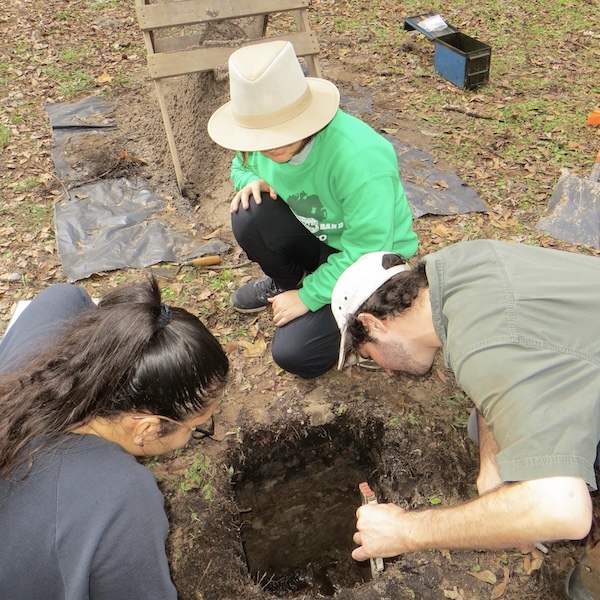
Once potential sites are identified, more intensive work begins. This might involve shovel testing, geophysical surveys using ground-penetrating radar (GPR), or even limited excavations (Phase II evaluations) to determine the significance of a site. If a site is deemed historically significant and cannot be avoided, a full-scale data recovery excavation (Phase III mitigation) is often required. This involves careful, systematic removal of soil layers, documentation of artifacts, features, and stratigraphy, and subsequent laboratory analysis. The artifacts recovered—from ancient pottery shards and tools to structural remains and human burials—provide invaluable insights into past human societies, their adaptations, technologies, and cultures. This entire process is incredibly time-sensitive; project delays due to archaeological assessments can lead to significant financial penalties for developers, underscoring the urgent need for a robust and efficient archaeological workforce.
The shortage itself is a complex issue. While archaeology programs have always attracted passionate students, the career path in CRM has historically been less emphasized in traditional academic settings, which often focus on research and academic publications. Furthermore, the demands of fieldwork—often involving long hours, physically challenging conditions, and travel to remote locations—require a specific temperament and skill set. The explosion in infrastructure projects has simply outpaced the existing supply of qualified professionals. Universities, recognizing this critical gap, are now stepping up to adapt their curricula and fast-track graduates into these high-demand roles. This proactive approach is not just about filling jobs; it’s about safeguarding our collective heritage against the relentless march of modernity, ensuring that economic progress does not come at the irreversible cost of cultural loss.
Bridging the Gap: Academia’s Urgent Response to Demand
Understanding the gravity of the situation, leading academic institutions are innovating their programs to better prepare students for the realities of the professional CRM world. The University of Florida (UF), for instance, has been highlighted as a pioneer in fast-tracking graduate students into these critically needed archaeology careers. Such programs are not merely condensing existing curricula; they are fundamentally rethinking what it means to train a modern archaeologist. The focus shifts from purely theoretical or research-oriented studies to a more applied, skill-based education that directly addresses industry needs.
Key components of these adapted master’s programs often include intensive training in practical skills such as Geographic Information Systems (GIS), which allows archaeologists to map and analyze spatial data; drone operation for aerial surveys and site documentation; advanced laboratory techniques for artifact analysis, including residue analysis or archaeobotanical studies; and, crucially, an emphasis on project management and regulatory compliance. Students are immersed in real-world scenarios, often through mandatory internships with CRM firms or government agencies, providing them with invaluable hands-on experience before they even graduate. This practical exposure ensures that graduates are not just knowledgeable, but job-ready, capable of hitting the ground running in a fast-paced professional environment. Furthermore, these programs often foster strong relationships with industry partners, creating a direct pipeline from academia to employment, ensuring a steady replenishment of the archaeological workforce.
The curriculum often includes dedicated courses on cultural heritage law, ethics, and community engagement, recognizing that archaeological work is not just about digging up objects but also about managing public perceptions and respecting descendant communities. This holistic approach ensures that the new generation of archaeologists is not only technically proficient but also ethically grounded and socially aware. The success of such programs will be pivotal in determining whether infrastructure development can continue its pace without compromising the irreplaceable records of human history. It represents a dynamic partnership between education, industry, and government, all working towards the common goal of sustainable development.
Beyond the Trowel: Technology and the Future of Archaeology
The modern archaeologist operates at the cutting edge of technology, often integrating tools and techniques that were unimaginable a few decades ago. While the trowel and brush remain iconic, they are now complemented by an array of digital instruments. Beyond LiDAR and GPR, archaeologists employ photogrammetry to create detailed 3D models of sites and artifacts, virtual reality for immersive site documentation, and sophisticated database management systems to process the vast amounts of data collected during excavations. As an AI enthusiast, I see immense potential for artificial intelligence to further revolutionize this field. AI algorithms can be trained to analyze remote sensing data for patterns indicative of human activity, helping to predict site locations with greater accuracy and efficiency. Machine learning could assist in the classification of artifacts, accelerating the lab analysis process, or even help in reconstructing fragmented historical texts or images.
Furthermore, AI-powered tools could aid in predictive modeling for site preservation, identifying areas at highest risk from environmental degradation or development pressures. The sheer volume of archaeological reports generated annually could also benefit from AI-driven natural language processing, making it easier to extract key information and synthesize findings across disparate projects. This blend of traditional archaeological rigor with advanced technological capabilities is creating a new breed of professional, one who is not only adept at uncovering the past but also fluent in the languages of data science and digital innovation. This evolving skillset ensures that the archaeological workforce remains relevant and effective in an increasingly data-driven world.
The future of archaeology is undoubtedly interdisciplinary. It demands collaboration not just between archaeologists and developers, but also with environmental scientists, geologists, engineers, and, increasingly, AI specialists and data scientists. The challenges of preserving cultural heritage in the face of rapid development are immense, but so too are the opportunities presented by new technologies and innovative educational approaches. By embracing these advancements, archaeology can continue to provide invaluable insights into the human story, enriching our present and informing our future.
The surging demand for archaeologists is a powerful testament to the enduring value we place on understanding our past, even as we build our future. The critical shortage within the archaeological workforce is not merely an inconvenience; it represents a significant challenge to sustainable development and the ethical stewardship of our global heritage. Institutions like the University of Florida are demonstrating exemplary foresight by proactively addressing this deficit, forging new educational pathways that prioritize practical skills and direct industry engagement. These innovative programs are essential for ensuring that the necessary expertise is available to navigate the complex intersection of progress and preservation.
As we continue to push the boundaries of infrastructure and technological innovation, the role of the archaeologist will only grow in importance. By investing in robust academic programs, fostering collaboration between academia and industry, and embracing cutting-edge technologies like AI, we can ensure that the vital work of uncovering and protecting our shared human story continues unimpeded. The legacy of today’s ambitious projects will not only be measured by their economic impact but also by the care taken to preserve the whispers of civilizations past that lie beneath them.