
For years, the dazzling spectacle of elite sports has captivated audiences worldwide. We celebrate the victories, the broken records, and the sheer human will on display. Yet, behind the glory, a less-talked-about reality often shadows the careers of professional athletes: the formidable transition into life after competition. The sudden drop in income, the abrupt loss of structured routine, and the daunting search for a new purpose can be profoundly destabilizing, even for the most accomplished champions. It’s a systemic challenge that, for too long, has remained largely unaddressed, leaving countless athletes adrift once the cheers subside and the bright lights dim.
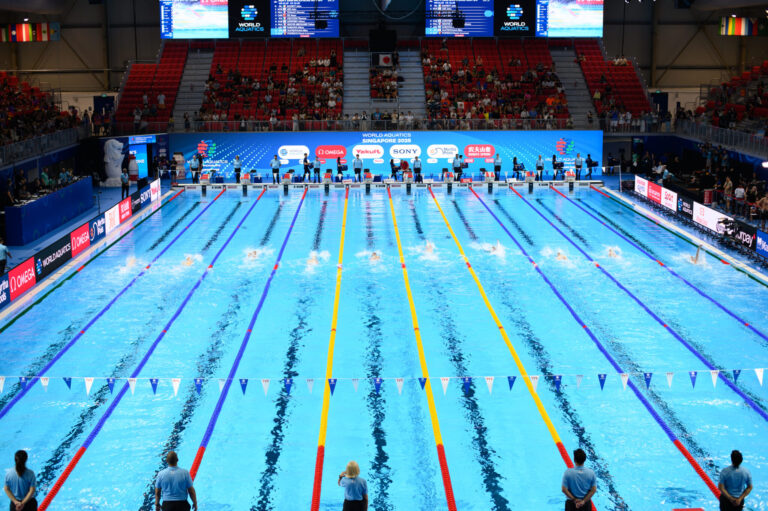
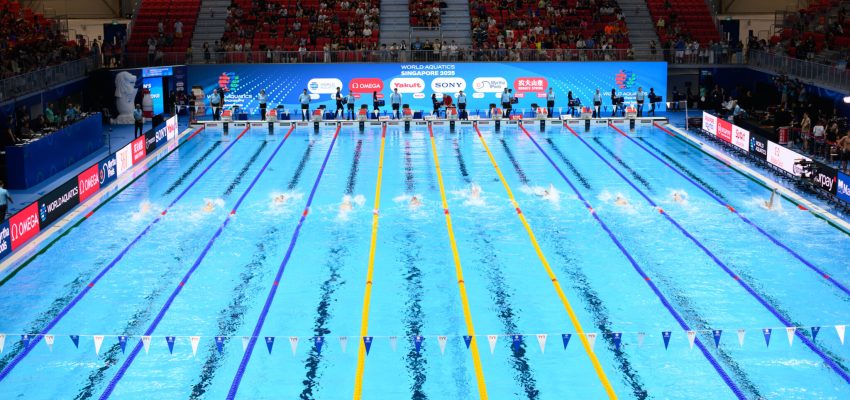
However, a beacon of change has recently emerged from the vibrant world of aquatic sports. World Aquatics, the global governing body responsible for swimming, diving, water polo, artistic swimming, and open water swimming, has announced a pioneering initiative set to redefine athlete welfare. With an initial, substantial commitment of $10 million USD, they are launching a dedicated post-career compensation fund. This groundbreaking fund is meticulously designed to provide crucial, structured support for athletes transitioning out of their professional competitive careers. This bold move isn’t merely about offering financial aid; it represents a fundamental, paradigm-shifting re-evaluation of how governing bodies perceive and fulfill their responsibility towards the very individuals who bring their sports to life and inspire millions globally.
Post-Career Compensation Fund: A New Horizon for Aquatics Athletes
The establishment of this $10 million initiative by World Aquatics marks a pivotal moment, signaling a profound commitment to the holistic well-being of its athletes. This substantial initial investment serves as a powerful testament to the organization’s forward-thinking vision. While the specific operational details and eligibility criteria of the fund are still being finalized, its very existence signals a pivotal recognition of the unique and often overlooked challenges faced by aquatics athletes at the culmination of their competitive journeys. The life of an elite swimmer, diver, artistic swimmer, or water polo player is characterized by an extraordinary level of dedication: relentless training regimes, rigorous travel schedules, and immense psychological and physical pressure from a remarkably young age.
This demanding lifestyle, while undeniably exhilarating and rewarding for those who achieve peak performance, frequently leaves little room for the development of conventional career skills, the pursuit of traditional higher education, or the establishment of long-term financial stability outside the sport. When the roar of the crowd inevitably fades, when the rigorous training schedule ends, and the competitive fire begins to wane, many athletes find themselves at a precipice. They grapple with an abrupt cessation of competitive income, the loss of a primary identity, and the absence of a clear, alternative career path. This can lead to significant financial distress, profound identity crises, and a heightened risk of mental health challenges, including anxiety and depression.
Consider the typical journey: years, often decades, dedicated to mastering a stroke, perfecting a complex dive, or coordinating intricate water polo strategies. Sacrifices are made in conventional education, social development, and traditional career building. For a select, incredibly fortunate few, lucrative endorsement deals and substantial prize money might offer a comfortable cushion. However, for the vast majority, particularly in sports like swimming which, outside of major global events, do not command the same astronomical commercial attention or player union strength as football or basketball, the financial rewards are often modest at best. The sudden cessation of competitive income, coupled with the absence of a clearly defined post-athletic career path, can plunge even decorated athletes into significant precarity. This is precisely where a dedicated post-career compensation fund becomes not just beneficial, but an absolute necessity.
This pioneering fund is envisioned to offer a comprehensive, multi-faceted approach to support. While direct financial compensation for past achievements might be a component, it’s highly probable that the initiative will encompass broader, more impactful support mechanisms. This could include educational scholarships for those wishing to pursue higher learning, vocational training programs to help athletes transition into new industries, bespoke career counseling services tailored to leverage an athlete’s unique discipline, leadership, and teamwork qualities, and robust mental health support to navigate the psychological impact of retirement. By providing a structured safety net and a pathway for personal and professional development, World Aquatics aims to empower its athletes to transition confidently, armed with the resources necessary to build successful second careers and maintain overall well-being. This proactive and compassionate stance reflects a deeper, more sophisticated understanding of athlete welfare, moving beyond simply celebrating their peak performance to ensuring their sustained quality of life and contribution to society.
Beyond the Pool: The Broader Landscape of Athlete Welfare
The creation of World Aquatics’ post-career compensation fund is not an isolated development but rather a significant and progressive marker within a broader, global movement towards prioritizing athlete welfare beyond the immediate competitive arena. For far too long, the prevailing narrative surrounding professional sports often focused almost exclusively on performance metrics, entertainment spectacle, and commercial gain, sometimes overlooking the fundamental human element once the spotlight inevitably faded. However, in recent years, there has been a profound shift in consciousness, driven by increasing athlete advocacy, heightened awareness of mental health issues, and a growing recognition of the ethical responsibilities incumbent upon sports federations.
Across the sporting world, other major organizations have already initiated or significantly expanded programs designed to support their athletes long after their retirement from competition. Prominent leagues such as the National Basketball Association (NBA) and the National Football League (NFL) in the United States, for instance, have established comprehensive player welfare programs that include extensive pension plans, robust health benefits for life, and sophisticated transition services. These programs frequently provide educational assistance, career development workshops, and personalized financial planning advice, all built on the understanding that a successful playing career does not automatically translate into a secure or fulfilling future. Similarly, many Olympic committees and international federations are increasingly developing their own athlete support systems, recognizing the systemic need.
Even at the pinnacle of amateur sport, the International Olympic Committee (IOC) has its widely recognized ‘Athlete 365’ program, which offers a diverse range of services from career transition support to critical mental health resources. These global initiatives are a clear and unequivocal acknowledgment that the investment in an athlete should, and must, extend far beyond their competitive years. The challenges for athletes in individual sports like swimming, diving, or gymnastics, however, can often be more pronounced. Unlike major team sports with powerful player unions and lucrative collective bargaining agreements that secure athlete benefits, individual athletes often lack the same collective voice, bargaining power, and institutionalized support structures. This can make them more vulnerable to financial precarity, emotional distress, and a distinct lack of structured support when their careers conclude.
World Aquatics stepping forward with a dedicated post-career compensation fund therefore signals an exceptionally progressive stance that could inspire, and indeed pressure, other international federations to follow suit. It underscores a crucial shift from a purely transactional relationship, where athletes are primarily viewed as performers and assets, to a more holistic and human-centric one, where their long-term well-being is considered an integral and non-negotiable part of the sport’s broader ecosystem. This commitment not only validates the immense years of sacrifice made by athletes but also fundamentally strengthens the integrity, appeal, and ethical standing of the sport itself, potentially attracting greater talent and ensuring a healthier, more sustainable environment for all participants from junior levels upwards.
The Future of Support: Sustainability and Impact
The launch of the $10 million post-career compensation fund by World Aquatics is undoubtedly a monumental first step, a foundational stone in what promises to be a transformative edifice. However, the true measure of its long-term success and enduring impact will ultimately lie in its sustainability and the tangible, positive changes it brings to athletes’ lives over decades. Securing an initial investment, as significant as $10 million is, is one thing; ensuring that the fund continues to grow, remains relevant, and effectively serves future generations of athletes requires meticulous strategic planning, robust financial governance, and a visionary approach. Potential avenues for sustaining and strategically expanding the fund could include allocating a consistent percentage of World Aquatics’ commercial revenues, actively exploring synergistic partnerships with corporate sponsors who are genuinely passionate about athlete welfare, or establishing philanthropic initiatives to encourage donations from benefactors both within and outside the aquatics community.
The potential impact of such a comprehensive athlete support fund is profoundly far-reaching. For the athletes themselves, it offers an invaluable measure of peace of mind, allowing them to focus more intensely and with greater serenity on their performance during their competitive years, knowing that a safety net awaits. This reduction in existential anxiety could potentially lead to extended careers, as athletes feel less pressure to retire prematurely due to overwhelming financial concerns. Furthermore, it fosters a deeper sense of loyalty, belonging, and community within the sport, demonstrating unequivocally that their governing body truly values their contributions and sacrifices beyond their competitive years. Moreover, by actively providing resources for education, vocational training, and career development, the fund helps to cultivate well-rounded individuals who can continue to contribute positively and significantly to society long after they have exited the competitive pool.
From an organizational perspective, this groundbreaking initiative significantly enhances World Aquatics’ reputation as a truly forward-thinking, athlete-centric, and ethically responsible international federation. It establishes a powerful benchmark, an aspirational model for other sports, particularly those with less commercial pull or established welfare structures, to consider and emulate similar models of comprehensive support. The careful, transparent, and equitable administration of the fund will be absolutely critical. This will necessitate the development of clear, objective eligibility criteria, transparent disbursement processes, and robust mechanisms for continuously evaluating the effectiveness and reach of its various programs. Such an undertaking might judiciously involve leveraging advanced data analytics, not unlike the systematic and iterative approaches we witness in technological innovation, to accurately identify areas of greatest need, meticulously track the outcomes of support initiatives, and continuously refine the fund’s offerings to best serve its diverse beneficiaries across the globe.
Ultimately, this post-career compensation fund represents an investment not just in individual athletes, but in the entire, intricate ecosystem of aquatic sports. It’s fundamentally about building a lasting legacy of care, ensuring that the athletes who dedicate their lives to exhilarating us with their prowess, their courage, and their relentless pursuit of excellence are, in turn, supported, valued, and empowered throughout all phases of their extraordinary journeys. As the detailed operational framework of this seminal fund begins to unfold, the global sporting community will be watching with keen interest and optimism, hoping that this marks the definitive beginning of a new, more humane and comprehensive era of athlete welfare.
World Aquatics’ pioneering commitment to establishing a post-career compensation fund with an initial $10 million investment marks a truly transformative moment for athlete welfare in the global sporting landscape. It’s a clear and resonant signal that the responsibility of governing bodies extends far beyond merely organizing competitions and setting rules; it encompasses the holistic well-being and long-term security of the individuals who dedicate their lives to the sport. This innovative initiative courageously addresses a long-standing void, acknowledging the significant and often unspoken challenges athletes face when transitioning from the intensely structured, all-consuming, and frequently financially precarious world of elite competition to civilian life.
As the strategic details of this crucial fund are meticulously implemented, it stands as a testament to progressive leadership and a deeply humane approach to sports governance. By providing a vital financial safety net, offering invaluable educational and vocational opportunities, and supporting critical mental well-being, World Aquatics is not just investing in the future of its former athletes; it is profoundly investing in the future integrity, attractiveness, and sustainability of aquatic sports themselves. This bold, empathetic step sets a powerful and inspiring benchmark, fostering hope that the welfare of athletes will increasingly become a central, non-negotiable pillar of sports policy worldwide, ensuring that their dedication and sacrifice are honored not just in the pool, but throughout the entirety of their extraordinary lives.