
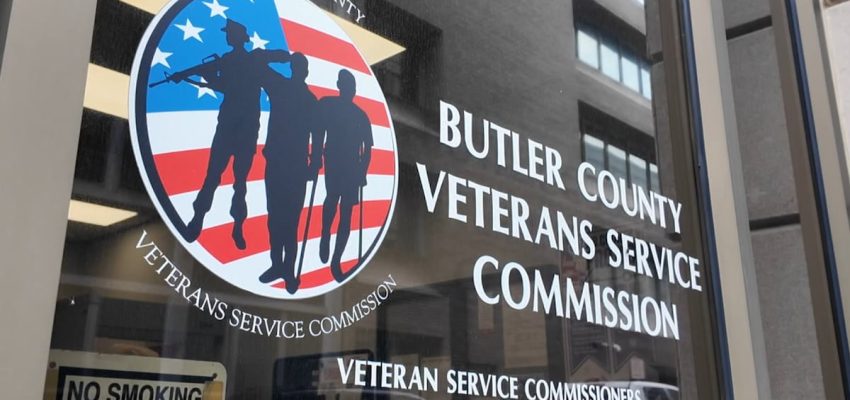

The journey from military service to civilian life is often depicted as a profound and challenging transition. Our veterans, who dedicate years to protecting our freedoms, frequently face a unique set of hurdles when re-entering the civilian workforce. Beyond the cultural shift and the emotional adjustments, there’s the critical task of translating highly specialized military skills into language that civilian employers understand and value. This is where the power of artificial intelligence is emerging as a game-changer, offering innovative solutions that bridge the gap and illuminate new pathways to success. As an AI specialist and tech enthusiast, I’m incredibly optimistic about the potential of these tools, and the vital role local initiatives, such as the Butler County Veterans Service Office, are playing in harnessing them.
For decades, the process of transitioning has relied heavily on manual efforts – resume workshops, job fairs, and one-on-one counseling. While invaluable, these methods can struggle to keep pace with the complex, rapidly evolving job market. The military instills a wealth of discipline, leadership, problem-solving abilities, and technical expertise, yet articulating these competencies in a civilian context can be daunting. Many veterans find themselves underemployed or in roles that don’t fully utilize their extensive capabilities, simply because the language of their service doesn’t directly map to corporate job descriptions. This is where advanced AI systems step in, offering a level of precision, speed, and personalization previously unimaginable.
Imagine a world where a veteran’s military occupational specialty (MOS), Air Force Specialty Code (AFSC), or Navy rating is not just a code but a rich data point that AI can analyze, deconstruct, and reassemble into a comprehensive profile of transferable skills. This isn’t science fiction; it’s the reality emerging in veteran support services today. The goal is clear: to ensure that those who have served our nation can seamlessly transition into fulfilling and prosperous civilian careers, making the most of the invaluable experience they bring to the table. Let’s delve deeper into how AI is redefining this critical journey.
AI in Veteran Career Transition: Bridging the Skills Gap with Precision
The core challenge in **AI in Veteran Career Transition** is often a semantic one: translating military jargon and experiences into terms that resonate with civilian hiring managers. A “Forward Observer” in the Army might be an expert in data collection, mapping, communication protocols, and strategic analysis – skills highly coveted in fields like logistics, project management, and geospatial intelligence. However, a traditional resume often struggles to convey this nuance. This is precisely where AI’s capabilities shine, acting as a sophisticated translator and matchmaker.
At the heart of this transformation lies Natural Language Processing (NLP), a branch of AI that allows computers to understand, interpret, and generate human language. NLP algorithms can ingest vast amounts of data, including military job descriptions, training manuals, performance reviews, and then cross-reference this information with millions of civilian job postings. By analyzing syntax, semantics, and context, AI can identify underlying competencies. For example, a veteran with experience in military supply chain management isn’t just a “logistics specialist”; AI can deduce their proficiency in inventory control, vendor negotiation, international shipping regulations, risk assessment, and team leadership, making connections to roles such as supply chain analyst, operations manager, or procurement specialist in the private sector.
Beyond simple keyword matching, machine learning (ML) models enhance this process by learning from successful veteran transitions. By analyzing data from veterans who have successfully moved into civilian roles, AI can identify patterns and correlations that human counselors might miss. This predictive capability allows the system to recommend not just current job openings, but also potential career paths that might require additional certifications or upskilling, providing a personalized roadmap for each service member. This proactive approach significantly reduces the time and frustration often associated with the job search.
The impact of this technological intervention is profound. According to recent reports, veteran unemployment rates, while declining, still present significant challenges, particularly for specific demographics and during economic downturns. Underemployment is an even more insidious issue, with many veterans reporting that their civilian jobs do not fully leverage their military skills. AI aims to tackle both, ensuring that veterans are not only employed but also meaningfully employed in roles commensurate with their capabilities and aspirations. Initiatives by offices like Butler County’s are crucial here, serving as the front lines where this advanced technology meets human need, providing localized support and resources alongside cutting-edge tools.
Advanced AI Tools: Beyond Basic Matching
The applications of AI extend far beyond mere skill translation and job matching. Modern **AI in Veteran Career Transition** platforms are becoming increasingly sophisticated, offering a suite of tools designed to support veterans at every stage of their career journey. One significant area is resume and cover letter optimization. Generative AI, for instance, can help veterans craft compelling, tailored application materials by drawing upon their military experience and aligning it with specific job requirements. Imagine an AI assistant that, after reviewing a veteran’s service record and a target job description, can generate a first draft of a resume and cover letter, highlighting relevant achievements and using civilian-friendly terminology. This saves countless hours and ensures a polished, professional presentation.
Another powerful application lies in interview preparation. AI-powered mock interview platforms can simulate real-world interviews, using computer vision and natural language understanding to provide immediate feedback on a veteran’s responses, body language, tone, and confidence. These tools can identify areas for improvement, suggest alternative phrasing, and help veterans practice articulating their experiences effectively, building crucial self-assurance for job interviews. This kind of personalized, real-time coaching can be invaluable, especially for veterans who may not have interviewed for a civilian role in many years.
Furthermore, AI can facilitate targeted networking. By analyzing a veteran’s skill profile and career aspirations, AI can identify relevant professional networks, industry mentors, and alumni from their service branch who are working in desired fields. This intelligent connection-making opens doors that might otherwise remain closed, fostering a sense of community and mentorship that is vital for successful transitions. The transition from a highly structured military environment to the often-ambiguous civilian professional landscape can be isolating, and AI-driven networking aims to mitigate that.
Data-driven insights are also transforming how veteran service organizations operate. AI can analyze aggregate data to identify common skill gaps among transitioning service members, allowing these organizations to develop targeted training programs and partnerships with educational institutions or industry leaders. This proactive approach ensures that veterans are equipped with the most in-demand skills, further enhancing their employability. The combination of personalized tools and macro-level insights makes the entire ecosystem of veteran support more efficient and effective.
The Human Element: AI as an Enabler, Not a Replacement
While the technological advancements in **AI in Veteran Career Transition** are remarkable, it’s crucial to emphasize that AI tools are designed to augment, not replace, the indispensable human element in veteran support. The Butler County Veterans Service Office, by offering a combination of “resources, AI tools and job connections,” exemplifies this synergistic approach. Human counselors provide empathy, understanding, and nuanced guidance that AI, for all its sophistication, cannot fully replicate. They offer moral support, help navigate complex personal situations, and connect veterans to broader community services, including mental health resources, housing assistance, and legal aid.
AI tools empower these human counselors, freeing them from repetitive administrative tasks and allowing them to focus on personalized, high-value interactions. Imagine a counselor who, instead of spending hours manually sifting through job boards, receives AI-generated, highly relevant job matches for their clients. This allows them more time for one-on-one coaching, interview preparation, and addressing individual veteran needs. The AI acts as a powerful assistant, providing data-driven insights and efficiencies that amplify the effectiveness of human guidance.
Moreover, the integration of AI also raises important ethical considerations. Ensuring data privacy, preventing algorithmic bias, and maintaining transparency in how AI makes recommendations are paramount. Responsible AI development in this sector means building systems that are fair, accountable, and always prioritize the well-being of the veterans they serve. The collaboration between technology developers, veteran service organizations, and veterans themselves is essential to refine these tools and ensure they truly meet the needs of the community.
The broader impact of these advancements extends beyond individual veterans. A robust and well-integrated veteran workforce strengthens local economies, brings unique leadership and problem-solving capabilities to businesses, and enriches communities. By harnessing AI to unlock the full potential of our transitioning service members, we’re not just helping individuals; we’re investing in the collective prosperity and resilience of our society.
The convergence of cutting-edge artificial intelligence and dedicated human support is fundamentally reshaping the landscape of veteran career transition. From sophisticated skill translation powered by NLP and machine learning to personalized resume optimization and interview coaching, AI is providing unprecedented opportunities for service members to confidently navigate their journey into civilian employment. Organizations like the Butler County Veterans Service Office are on the front lines of this revolution, demonstrating how local resources, combined with intelligent technology, can create powerful pathways to success.
As an AI enthusiast, I believe this is just the beginning. The future will likely see even more advanced generative AI tools assisting with career planning, virtual reality simulations for job training, and adaptive learning platforms tailored to individual veteran needs. By embracing these technological innovations responsibly and empathetically, we can ensure that every veteran has the opportunity to thrive in their post-service life, translating their invaluable military experience into fulfilling civilian careers and continuing to contribute their immense talents to our society. Our heroes deserve nothing less than the most innovative and comprehensive support we can offer.










