
Agriculture has always been a field of continuous evolution, adapting to scientific breakthroughs, technological innovations, and shifting consumer demands. From the domestication of ancient grains to the advent of precision farming, human ingenuity has consistently pushed the boundaries of cultivation. Today, we stand at another pivotal moment, witnessing the emergence of a crop that is not only transforming agricultural practices but also opening up entirely new career horizons: cannabis.
For decades, cannabis was shrouded in misconception and legal barriers, relegated to the shadows of illicit markets. However, with a growing wave of decriminalization and legalization across numerous regions globally, its potential as a legitimate agricultural commodity, a medicinal plant, and an industrial fiber source has burst into the mainstream. This paradigm shift isn’t merely about growing a plant; it’s about establishing a sophisticated, highly regulated industry that demands specialized expertise at every level. The foundational pillar supporting this burgeoning sector is robust and comprehensive education—a specialized form of learning now widely known as cannabis education.
### Cannabis Education: Cultivating the Future of Agriculture
The re-emergence of cannabis as a legitimate agricultural product is nothing short of a green revolution, necessitating a corresponding educational evolution. Traditional agricultural programs, while fundamental, often lack the specific focus required to navigate the complexities of cannabis cultivation, processing, and compliance. This gap has paved the way for dedicated programs that delve deep into the unique science, horticulture, and regulatory frameworks surrounding the plant.
The global legal cannabis market provides a compelling case for this educational shift. Valued at approximately USD 17.7 billion in 2019, it is projected to skyrocket to an estimated USD 73.6 billion by 2027, according to Grand View Research. This exponential growth isn’t just a financial opportunity; it translates into an unprecedented demand for skilled professionals. From master growers and extraction specialists to quality assurance managers and compliance officers, the industry requires a highly trained workforce capable of meeting stringent quality standards and navigating intricate legal landscapes.
Understanding cannabis isn’t as simple as planting a seed. It involves a sophisticated grasp of plant genetics, specific cannabinoid and terpene profiles, and their potential synergistic effects—often referred to as the ‘entourage effect.’ Cultivators must comprehend advanced nutrient management, integrated pest management (IPM) strategies tailored for a high-value crop, and environmental control techniques essential for optimizing yield and potency. Furthermore, the regulatory environment, which can vary drastically even between neighboring states or countries, adds another layer of complexity. This multifaceted domain underscores why generic agricultural training is insufficient and why targeted cannabis education has become indispensable.
### Beyond the Soil: Specialized Skills for a High-Value Crop
The scope of expertise required in the modern cannabis industry extends far beyond basic cultivation. It encompasses a vast array of specialized skills, each critical to the successful operation of a legal cannabis enterprise. For instance, the choice between indoor, greenhouse, or outdoor cultivation dramatically impacts environmental controls, energy consumption, and capital expenditure. Techniques like hydroponics, aeroponics, and aquaponics, which optimize nutrient delivery and resource efficiency, demand a solid scientific foundation.
Once harvested, the plant material undergoes intricate post-harvest processing. This includes drying, curing, trimming, and extraction—methods that can range from solvent-based techniques (like CO2 or ethanol extraction) to solventless approaches. Each method requires precise control and understanding of chemistry to produce high-quality concentrates, oils, tinctures, and edibles. This is where analytical chemistry skills become paramount, ensuring product purity, potency, and safety.
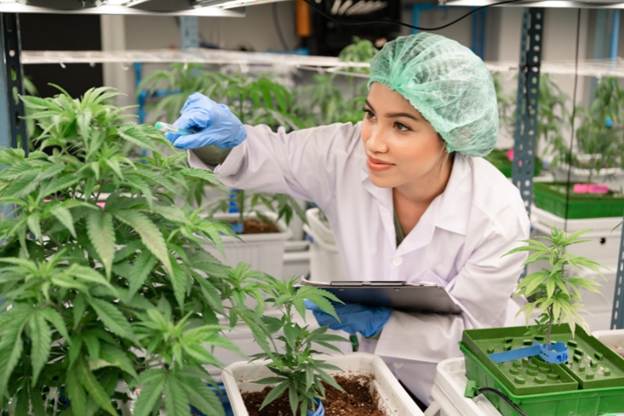
Quality control and assurance are non-negotiable in an industry scrutinized for public health and safety. Professionals in these roles conduct rigorous testing for contaminants such as pesticides, heavy metals, and microbial pathogens, alongside verifying cannabinoid and terpene levels. They uphold Good Manufacturing Practices (GMP) and Good Agricultural Practices (GAP), ensuring every product batch meets regulatory standards and consumer expectations. This meticulous attention to detail is a hallmark of the industry’s professionalization, driven by comprehensive cannabis education.
Recognizing this burgeoning demand, academic institutions, vocational schools, and specialized training centers have rapidly developed programs dedicated to cannabis. These range from short-term certificate courses to associate and bachelor’s degrees. Curricula typically cover topics such as:
* **Horticulture and Cultivation:** Plant science, genetics, propagation, nutrient management, pest and disease control, environmental parameters.
* **Processing and Extraction:** Chemistry of cannabinoids and terpenes, various extraction methodologies, post-processing techniques, product formulation.
* **Business and Compliance:** Regulatory frameworks, licensing, supply chain management, marketing, financial management, legal considerations.
* **Laboratory Analysis:** Quality assurance, analytical testing methods, instrumentation.
* **Medicinal Applications:** Understanding the endocannabinoid system, therapeutic potential, dosage, and patient care.
These programs are not just theoretical; many incorporate hands-on learning experiences in state-of-the-art facilities, preparing students for the practical challenges of the industry.
### Technology, Innovation, and Diverse Career Horizons
As an AI specialist and tech enthusiast myself, I find the integration of cutting-edge technology into cannabis agriculture particularly fascinating. The industry, driven by its high value and the need for precision, is increasingly leveraging advancements in artificial intelligence (AI), the Internet of Things (IoT), and data analytics. Smart sensors monitor everything from soil moisture and nutrient levels to ambient temperature and humidity, feeding data into AI algorithms that optimize growing conditions in real-time. Automated systems manage irrigation, lighting cycles, and climate control, minimizing human error and maximizing efficiency. Predictive analytics helps anticipate crop yields, identify potential issues before they escalate, and streamline supply chains.
Vertical farming and Controlled Environment Agriculture (CEA) are also gaining traction, particularly in regions where land is scarce or climate is challenging. These sophisticated systems allow for year-round production, optimized resource usage, and precise control over environmental variables, leading to consistent product quality. The marriage of advanced horticulture with smart technology is creating a new breed of agricultural technologist, highly skilled in both plant science and data-driven decision-making.
The diverse career opportunities spawned by this industry extend far beyond the grow house. Here are just a few examples:
* **Master Growers:** Overseeing cultivation operations, optimizing yields, and ensuring product quality.
* **Extraction Technicians:** Operating sophisticated equipment to extract cannabinoids and terpenes.
* **Laboratory Analysts:** Conducting potency and purity tests, ensuring regulatory compliance.
* **Geneticists:** Developing new strains with desired cannabinoid profiles and resistance to pests.
* **Compliance Officers:** Navigating the complex web of local, state, and federal regulations.
* **Product Developers:** Innovating new cannabis-infused products for medicinal and recreational markets.
* **Sales and Marketing Specialists:** Building brands and reaching target consumers in a highly regulated environment.
* **Researchers:** Exploring the therapeutic potential of cannabinoids and other plant compounds.
* **Entrepreneurs:** Launching and managing cannabis businesses, from cultivation to retail.
Furthermore, the industry is increasingly focused on sustainability and ethical practices. Programs in cannabis education often incorporate modules on organic growing methods, water conservation, energy efficiency, and waste reduction. Social equity initiatives are also gaining prominence, aiming to redress the historical harms of prohibition by creating opportunities for communities disproportionately affected by past cannabis policies.
In conclusion, the transformation of cannabis from a illicit substance to a regulated, high-value agricultural commodity is one of the most significant shifts in modern agriculture. This evolution demands a highly specialized, educated workforce capable of navigating the scientific, technological, and regulatory complexities of the industry. The proliferation of comprehensive cannabis education programs is not just a response to market demand; it’s a proactive investment in the future of sustainable, ethical, and economically vibrant agricultural practices.
As we look ahead, the role of education will only grow in importance. Continued research into plant genetics, cultivation techniques, and therapeutic applications will require an ever more sophisticated understanding. By fostering a culture of continuous learning and innovation, we can ensure that the cannabis industry matures responsibly, contributing positively to economies, public health, and agricultural science. The green revolution is here, and education is its most fertile ground.