
The clang of machinery, the hum of conveyors, and the intricate dance of human hands have long defined the manufacturing floor. Yet, as we navigate the tumultuous currents of the 21st century, this landscape is undergoing an unprecedented transformation. We are witnessing the dawn of a new era, often dubbed Industry 4.0, where the lines between the physical and digital worlds blur, creating smart factories that operate with unparalleled efficiency, precision, and autonomy. At the heart of this revolution lie artificial intelligence and robotics – technologies that are not merely automating tasks but fundamentally reshaping the very nature of industrial production.
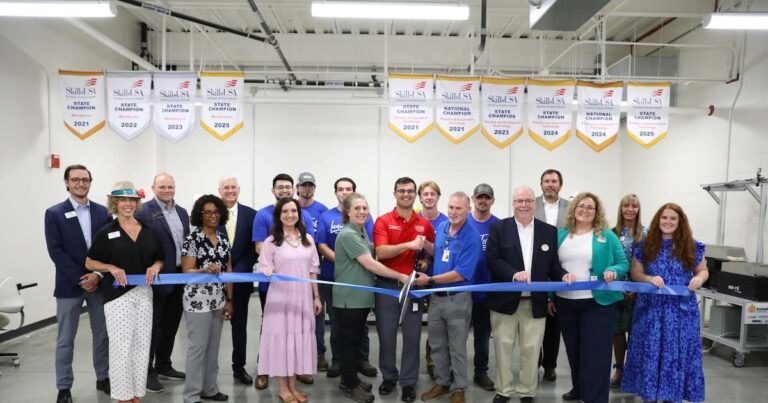
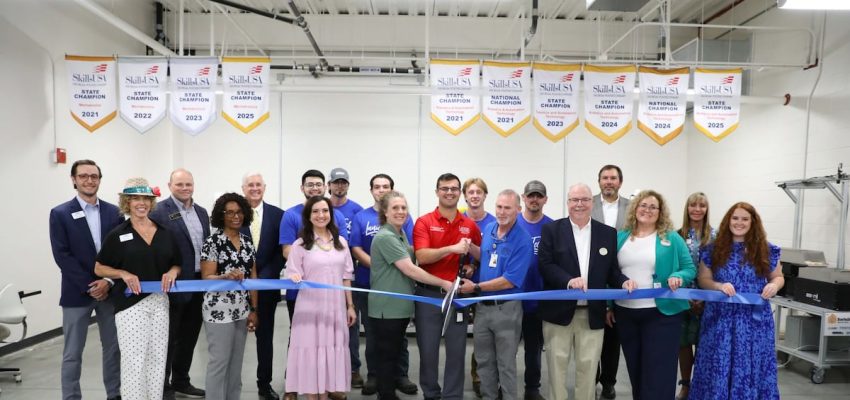
This seismic shift, while promising immense gains in productivity and innovation, also presents a critical challenge: a growing chasm between the skills demanded by this new industrial paradigm and the current capabilities of the workforce. Forward-thinking institutions are recognizing this imperative and stepping up to bridge this gap. A recent announcement from Lanier Technical College in Georgia, for instance, highlights the establishment of a new AI and robotics studio, specifically designed to equip students with the cutting-edge expertise needed for modern manufacturing careers. This proactive approach by educational bodies is not just commendable; it’s essential for ensuring that the workforce of tomorrow is ready to harness the full potential of these transformative technologies. As an AI specialist and enthusiast, I find such initiatives incredibly exciting, as they represent a tangible commitment to preparing individuals for a future that is already unfolding before our eyes.
AI in Manufacturing: Powering the Next Industrial Revolution
To truly appreciate the significance of Lanier Tech’s initiative, we must first understand the profound impact of AI in Manufacturing. The journey of industrialization has been marked by several revolutions: from steam power to mass production, and then to computerization and automation. Industry 4.0 is the latest chapter, characterized by the integration of cyber-physical systems, the Internet of Things (IoT), cloud computing, and, crucially, artificial intelligence and robotics. This isn’t just about faster production lines; it’s about intelligent systems that can learn, adapt, and make decisions, optimizing every facet of the manufacturing process from raw material intake to final product delivery.
Consider the realm of predictive maintenance, a prime example of AI’s transformative power. Historically, equipment maintenance was either reactive (fixing things when they broke) or preventive (scheduled check-ups, often leading to unnecessary downtime). With AI-powered sensors and machine learning algorithms, manufacturers can now analyze vast streams of data – temperature fluctuations, vibration patterns, energy consumption – to predict equipment failure *before* it happens. This proactive approach dramatically reduces unexpected downtime, extends machine lifespan, and optimizes maintenance schedules, saving companies millions annually. According to a report by Accenture, AI could boost global economic output by $14 trillion by 2035, with manufacturing being a significant beneficiary, largely due to such efficiency gains.
Beyond maintenance, AI is revolutionizing quality control. Traditional quality checks often involve manual inspection or statistical sampling, both prone to human error or missing subtle defects. AI-powered vision systems, leveraging deep learning algorithms, can inspect products with incredible speed and accuracy, identifying minuscule flaws that might escape the human eye. These systems can learn from vast datasets of acceptable and defective products, constantly refining their ability to detect anomalies, ensuring consistent product quality and reducing waste. Furthermore, in supply chain management, AI optimizes logistics, inventory, and demand forecasting, creating more resilient and responsive supply networks. Algorithms can analyze market trends, weather patterns, geopolitical events, and even social media sentiment to predict demand more accurately, preventing both stockouts and overstocking. This holistic integration of artificial intelligence is what truly defines smart manufacturing, creating factories that are not just automated but genuinely intelligent.
Bridging the Skills Gap: The Imperative for Specialized Training
The advent of advanced automation and AI in Manufacturing necessitates a fundamental shift in the skills required for the workforce. The skills mentioned by Lanier Tech officials – the ability to assemble, troubleshoot, and maintain AI-powered manufacturing equipment – are not merely an upgrade from traditional mechanical and electrical knowledge; they represent a wholly new interdisciplinary domain. The ‘operator’ of yesterday, who might have specialized in a single machine, is giving way to the ‘technician of tomorrow,’ a multi-skilled professional capable of interacting with complex cyber-physical systems.
This skills gap is a global concern. A report by Deloitte and The Manufacturing Institute projects that 2.1 million manufacturing jobs could go unfilled by 2030 in the U.S. alone, primarily due to the lack of skilled workers capable of navigating advanced manufacturing environments. The irony is that while automation may displace some repetitive jobs, it simultaneously creates higher-value roles that demand sophisticated cognitive and technical abilities. These new roles include robotics technicians, AI integration specialists, automation engineers, data scientists specializing in industrial data, and even ‘cobot’ (collaborative robot) programmers who design human-robot interactions.
To effectively assemble AI-powered machinery, one needs to understand not only mechanical components but also the sensors, processors, and network connections that form the neural pathways of the system. Troubleshooting extends beyond identifying a loose wire to diagnosing software glitches, re-calibrating algorithms, or interpreting diagnostic data from an integrated AI system. Maintaining such equipment demands a blend of traditional engineering principles with proficiency in software updates, data management, and the ethical considerations surrounding autonomous systems. The modern manufacturing worker must be a lifelong learner, adaptable to rapidly evolving technological landscapes, possessing strong problem-solving skills, and a solid foundation in digital literacy, data analytics, and cybersecurity fundamentals. Educational institutions like Lanier Tech are stepping into this void, recognizing that a proactive approach to workforce development is not just beneficial for students, but vital for the competitiveness of the entire manufacturing sector.
Lanier Tech’s Vision: A Blueprint for Workforce Development
Lanier Technical College’s new AI and robotics studio stands as a beacon of forward-thinking education, providing a tangible model for how to prepare students for the demands of the modern industrial world. Their focus on practical skills – assembling, troubleshooting, and maintaining AI-powered equipment – directly addresses the core needs identified by industries investing heavily in automation. This isn’t theoretical instruction; it’s hands-on, experiential learning designed to immerse students in the real-world challenges of a smart factory environment.
The curriculum at such a studio likely incorporates a blend of robotics programming, sensor technology, industrial control systems, machine learning fundamentals, and data interpretation. Students would work with collaborative robots (cobots) that are designed to safely assist human workers, learning how to program their movements, integrate them into production lines, and ensure their seamless operation alongside human counterparts. They would gain experience with advanced diagnostic tools, learning to interpret the vast amounts of data generated by modern industrial machinery to predict failures and optimize performance. This direct engagement with cutting-edge technology ensures that graduates are not just conceptually aware of AI in Manufacturing, but are practically proficient and ready to contribute from day one.
Moreover, the establishment of such a studio often signals a deeper collaboration between academia and industry. By working closely with local manufacturing companies, educational institutions can tailor their programs to meet specific regional needs, ensuring that graduates possess the exact skill sets demanded by employers. This synergy creates a virtuous cycle: businesses gain access to a highly skilled talent pool, and students benefit from relevant, in-demand training that leads directly to meaningful careers. For regions like Georgia, which boasts a significant manufacturing presence, investing in specialized technical education like this is crucial for maintaining economic vitality and attracting further industrial investment. It underscores a commitment to innovation, adaptability, and ensuring that the human element remains central to the evolution of manufacturing, even as machines become more intelligent.
The transformation of manufacturing by artificial intelligence and robotics is not a distant future; it is our present reality. The proactive establishment of facilities like Lanier Tech’s AI and robotics studio is a testament to the urgent need for a skilled workforce capable of navigating this complex and exciting new industrial landscape. As companies worldwide continue to invest in automation at an accelerating pace, the demand for professionals who can assemble, troubleshoot, and maintain these intelligent systems will only intensify.
Ultimately, the success of Industry 4.0 will not solely depend on technological innovation, but equally on human adaptability and foresight in education. By fostering a learning environment that embraces cutting-edge technologies and provides practical, hands-on training, we can empower a new generation of workers to not only participate in this revolution but to lead it. The future of manufacturing is intelligent, interconnected, and, above all, depends on the intelligent minds we cultivate today.