
In an age increasingly defined by rapid technological advancement and complex global challenges, certain industries might seem entrenched in tradition. Yet, few sectors are evolving as dramatically and dynamically as construction and infrastructure. What began for many, like the ambitious regional natural gas distribution contractor Michels in late 1950s Brownsville, Wisconsin, has blossomed into a strategic powerhouse serving diverse industries across energy and infrastructure. This journey of growth and diversification is not unique to one company; it mirrors a profound transformation occurring across the entire global landscape of building and development.
As André Lacerda, an AI specialist, writer, and tech enthusiast, I find immense fascination in how industries historically perceived as ‘heavy’ are now at the forefront of innovation. The narrative of infrastructure is no longer confined to concrete and steel; it’s a vibrant tapestry woven with data, artificial intelligence, sustainability, and human ingenuity. It’s a sector that offers an astonishing array of professional journeys, providing fulfilling opportunities for those who aspire to build, innovate, and contribute to the very fabric of our modern world. Far from being a niche field, the pursuit of infrastructure development is a cornerstone of economic prosperity and societal advancement, creating a multitude of
Construction Career Paths: Building a Future Beyond Bricks and Mortar
When we think of construction, images of hard hats, towering cranes, and bustling job sites often come to mind. While these elements remain integral, the modern infrastructure sector encompasses a much broader, more sophisticated reality. It’s a colossal industry, projected to reach a global market value of over $16 trillion by 2027, underpinning economies and supporting societies worldwide. This scale alone hints at the sheer volume and variety of
The needs of our modern world extend far beyond basic roads and bridges. Today’s infrastructure includes intricate smart grids that manage energy distribution, vast data centers that power our digital lives, renewable energy installations like sprawling solar farms and towering wind turbines, sophisticated water treatment facilities, advanced transportation networks, and even the foundational elements for future smart cities. Each of these segments demands specialized expertise, creating unique opportunities for professionals from an incredibly wide range of disciplines.
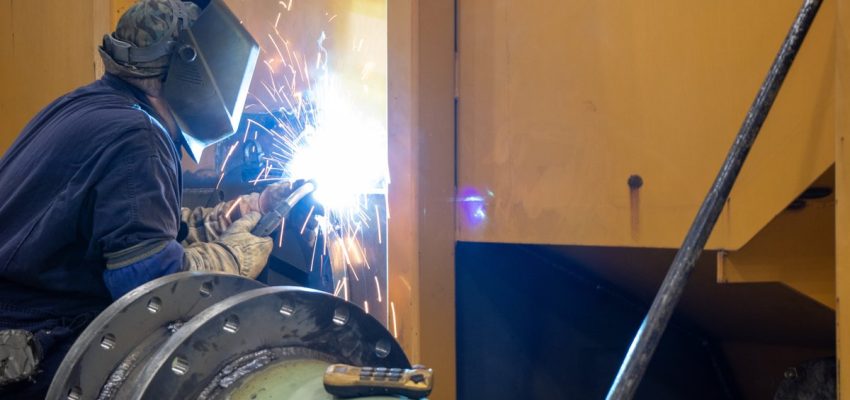
Consider the diverse roles that constitute these complex projects. On one hand, we have the foundational skilled trades – the carpenters, electricians, welders, plumbers, heavy equipment operators, and pipefitters – whose hands-on expertise literally lays the groundwork. These are professions that require precision, problem-solving, and a deep understanding of materials and safety protocols. The demand for these skilled individuals remains incredibly high, with projections showing continued growth in many areas, underscoring their vital importance to any successful project.
On the other hand, the industry is increasingly populated by highly specialized professionals whose work often occurs off-site or at the digital interface of a project. Civil engineers design the very foundations of our cities, while mechanical and electrical engineers ensure systems function flawlessly. Environmental engineers play a critical role in minimizing ecological impact and ensuring sustainable practices. Project managers orchestrate the entire complex dance of resources, timelines, and budgets, requiring exceptional leadership and organizational skills. Then there are the newer, tech-driven roles: Building Information Modeling (BIM) specialists who create digital twins of structures, Geographic Information Systems (GIS) analysts who map and analyze spatial data, and data scientists who optimize everything from supply chains to predictive maintenance schedules. Even roles in cybersecurity are becoming paramount as operational technology (OT) systems become more interconnected and vulnerable to digital threats.
The sheer scale and global nature of infrastructure projects also mean that opportunities often transcend geographical boundaries. From urban renewal projects in bustling metropolises to vital energy initiatives in remote regions, the sector offers a truly international scope for those seeking diverse experiences and significant impact. This dynamic environment ensures that
The Digital Revolution on the Job Site: How Technology is Redefining Opportunities
The convergence of advanced technologies is rapidly reshaping the construction and infrastructure industry, transforming traditional roles and simultaneously creating exciting new
AI, my personal area of passion, is proving to be a game-changer. AI-powered algorithms can analyze vast datasets to optimize project schedules, predict potential delays, and even identify safety risks before they occur, leading to significant cost savings and improved outcomes. Generative design tools, leveraging AI, can explore thousands of design alternatives in minutes, presenting engineers and architects with optimized solutions that might have taken months to develop manually. On the ground, AI drives autonomous heavy equipment, which can perform repetitive or hazardous tasks with unparalleled precision, reducing human error and enhancing worker safety. Predictive maintenance systems, also fueled by AI, monitor the health of machinery and infrastructure in real-time, forecasting failures and scheduling maintenance proactively, thereby extending asset lifespans and preventing costly disruptions.
The Internet of Things (IoT) provides the sensory nervous system for modern infrastructure. Embedded sensors in buildings, bridges, and equipment collect continuous data on structural integrity, environmental conditions, and operational performance. This real-time intelligence feeds into management systems, often analyzed by AI, to enable dynamic decision-making for smart cities and adaptive infrastructure. Imagine a bridge that autonomously reports stress fractures or a building that adjusts its energy consumption based on occupancy and external weather conditions – these are not distant dreams but present realities facilitated by IoT. These advancements naturally open up new
Robotics and automation are taking over tasks that are dangerous, repetitive, or require extreme precision. Robotic bricklayers, automated welders, and drone-based inspection systems are becoming increasingly common, boosting productivity and improving quality. Drones, equipped with high-resolution cameras and LiDAR technology, can survey vast areas in a fraction of the time it would take human teams, generating detailed 3D models for planning and progress monitoring. This data, often processed by AI, provides invaluable insights for project managers and engineers.
Building Information Modeling (BIM) has evolved beyond a mere 3D design tool. It is now a collaborative process that creates a comprehensive digital representation of a building or infrastructure asset, encompassing geometric information, material specifications, and operational data. When combined with digital twin technology – a virtual replica that continuously updates with real-world data from IoT sensors – BIM enables sophisticated simulations, lifecycle management, and predictive performance analysis. Professionals fluent in BIM and digital twin platforms are in high demand, bridging the gap between design, construction, and long-term asset management.
These technological shifts necessitate a new breed of skills. The future workforce in construction will need more than traditional trade proficiency; it will require digital literacy, data analysis capabilities, an understanding of software and hardware integration, and an adaptive mindset. For those with a passion for technology and a desire to see their innovations take tangible form, the evolving landscape of
Sustainability, Innovation, and the Global Imperative: Shaping Tomorrow’s Infrastructure
Beyond technological advancement, a fundamental driving force in shaping modern
The demand for sustainable infrastructure creates a wealth of specialized roles. Environmental engineers are crucial for assessing ecological impacts, developing mitigation strategies, and ensuring compliance with increasingly stringent regulations. Sustainability consultants guide projects towards certifications like LEED (Leadership in Energy and Environmental Design), advising on energy efficiency, water conservation, and waste reduction. Specialists in renewable energy technologies are vital for designing and implementing solar, wind, geothermal, and hydroelectric power systems that form the backbone of a cleaner energy future. These roles require a deep understanding of environmental science, policy, and innovative engineering solutions.
Innovation in materials science is also opening new avenues. Research and development in low-carbon concrete, recycled aggregates, bio-based materials, and smart materials that can self-heal or adapt to environmental conditions are transforming construction methodologies. Professionals involved in material research, supply chain management for sustainable products, and lifecycle assessment play critical roles in bringing these innovations from the lab to the job site. This focus on material innovation directly impacts the environmental footprint of projects and contributes to circular economy principles.
Furthermore, infrastructure resilience is gaining paramount importance. With increasing instances of extreme weather events and natural disasters, designing and building infrastructure that can withstand future shocks is a global priority. This includes developing flood-resistant foundations, earthquake-proof structures, and adaptive systems that can recover quickly from disruptions. Such challenges require multidisciplinary teams, including structural engineers, urban planners, and climate scientists, all collaborating to create robust and future-proof communities.
The global imperative for sustainable development means that these
The journey of a company like Michels, evolving from a regional contractor to a diverse infrastructure giant, beautifully illustrates the broader narrative of the construction industry. It is a story of adaptability, strategic vision, and the continuous pursuit of opportunity. This dynamism is precisely what makes the sector so compelling for individuals seeking impactful and future-proof careers.
Far from being a static or ‘old-school’ industry, the world of construction and infrastructure is a vibrant ecosystem of innovation, technology, and human ambition. It’s a field for problem-solvers, creative thinkers, and those who thrive on turning ambitious visions into tangible realities. The extensive range of
As we stand on the cusp of further technological breakthroughs and grapple with pressing global challenges, the integration of AI and other cutting-edge tools into construction will only accelerate, creating even more novel and exciting roles. The future of infrastructure development is not just about building bigger or faster; it’s about building smarter, greener, and more inclusively. It’s an invitation to be part of something monumental, shaping the very environment we live in with intelligence, foresight, and a profound sense of purpose. For those ready to embark on such a journey, the diverse and expanding landscape of