
In an era often dominated by discussions of digital transformation and the burgeoning AI revolution, it’s easy to overlook sectors that have quietly been undergoing their own profound metamorphosis. Yet, one of the most exciting transformations is happening right on the factory floor, where the industrial landscape is being reshaped by innovation, technology, and a renewed sense of purpose. This isn’t your grandfather’s manufacturing; it’s a vibrant, high-tech domain offering some of the most promising and impactful manufacturing careers of our time.
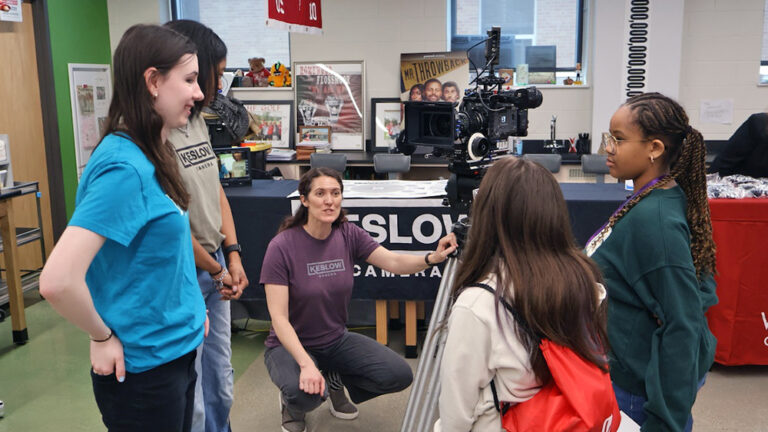
Recently, Sinclair Community College in Dayton, Ohio, provided a compelling glimpse into this future by hosting its annual Manufacturing Day. On a crisp Friday morning, October 3rd, more than 600 students from surrounding high schools and middle schools converged on the campus. Their mission? To explore the vast and evolving world of modern manufacturing. This event, far from being a mere open house, serves as a crucial bridge, connecting aspiring young minds with the dynamic opportunities that await in an industry often misunderstood. It’s a testament to the proactive efforts required to educate the next generation about the innovation, precision, and technology that define contemporary industrial work.
Manufacturing Careers: Redefining the Shop Floor for the 21st Century
The image of manufacturing often conjures outdated stereotypes: dark, noisy factories, repetitive manual labor, and dwindling opportunities. However, this perception couldn’t be further from the truth today. Modern manufacturing is clean, digitally integrated, and incredibly sophisticated, powered by advancements like the Internet of Things (IoT), big data analytics, advanced robotics, and, crucially, artificial intelligence. This seismic shift, often termed Industry 4.0, has not eliminated the need for human talent; rather, it has elevated it, creating a demand for new skill sets and entirely new categories of manufacturing careers.
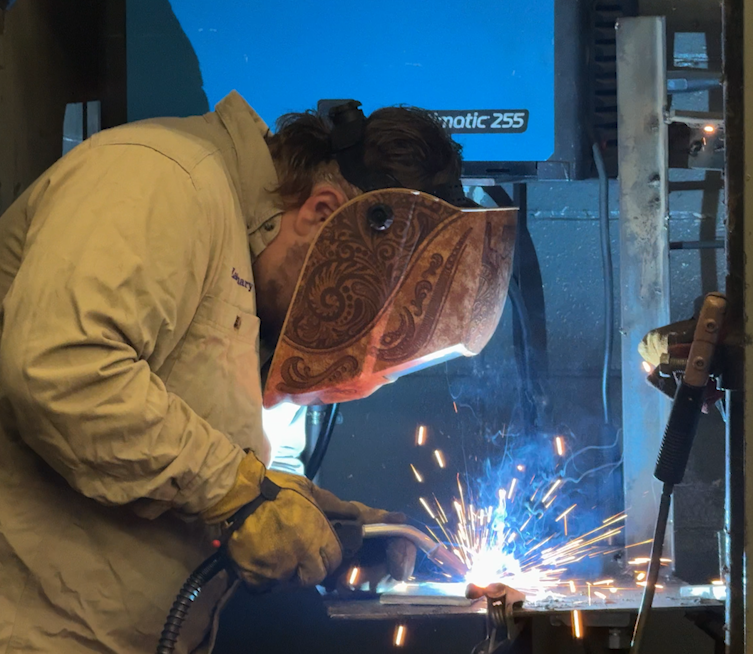
For the hundreds of students visiting Sinclair College, Manufacturing Day was an eye-opening experience. They weren’t just observing; they were engaging with cutting-edge machinery, witnessing automated processes, and speaking directly with professionals who are at the forefront of this industrial revolution. Imagine a high school student learning about robotic welding arms, 3D printing of complex components, or the intricate sensors that monitor production lines for predictive maintenance. These are not concepts from a sci-fi movie; they are the daily realities of modern industrial operations.
The United States manufacturing sector, often underestimated, remains a powerhouse of innovation and economic contribution. It supports millions of jobs directly and indirectly, driving technological advancement across various industries, from aerospace and automotive to medical devices and consumer electronics. The sector consistently invests in research and development, ensuring that it remains competitive globally. However, to maintain this edge, there’s a critical need to attract and train a new workforce adept at navigating these advanced technological landscapes. Events like Sinclair’s Manufacturing Day are vital in dispelling myths and showcasing the exciting potential that these evolving professional paths hold.
Today’s factory floors are often highly digitized and networked environments. Production lines are optimized through AI algorithms, quality control is enhanced by computer vision, and supply chains are managed with unprecedented transparency thanks to blockchain and IoT. This means that successful professionals in these fields need more than just mechanical aptitude; they require a blend of technical proficiency, critical thinking, problem-solving skills, and a willingness to embrace continuous learning. The opportunities range from engineering and design to programming, data analysis, and highly specialized maintenance roles, all contributing to the creation of tangible products that impact everyday life.
The AI Revolution on the Assembly Line: Skills for a Smart Factory
As an AI specialist, I’ve seen firsthand how artificial intelligence is not just a buzzword but a transformative force. In manufacturing, AI is revolutionizing nearly every aspect of the production cycle, creating a plethora of new and exciting manufacturing careers. Predictive maintenance, for instance, uses AI to analyze sensor data from machines, identifying potential failures before they occur. This prevents costly downtime, extends equipment lifespan, and shifts the role of maintenance technicians from reactive repair to proactive system management.
Beyond maintenance, AI-powered systems are enhancing quality control with unprecedented precision. Computer vision systems, trained on vast datasets, can detect microscopic defects in products far more accurately and consistently than the human eye. This not only improves product reliability but also frees human workers from monotonous inspection tasks, allowing them to focus on more complex problem-solving or oversight roles. Robotics, too, are becoming smarter and more collaborative. Cobots (collaborative robots) work alongside human operators, performing tasks that are repetitive, dangerous, or require immense strength, while humans provide supervision, programming, and intricate fine-tuning.
Consider the new roles emerging from this technological integration: AI/Machine Learning Engineers specializing in industrial applications, who develop and deploy these intelligent systems; Data Scientists who analyze vast quantities of operational data to identify efficiencies and bottlenecks; Robotics Technicians who install, program, and maintain advanced robotic systems; and Cybersecurity Specialists who protect the interconnected operational technology (OT) networks from threats. These are high-skill, high-demand positions that require a robust education in STEM fields, often supplemented by specialized certifications and continuous professional development.
The shift isn’t just about replacing human labor with machines; it’s about augmenting human capabilities and creating more sophisticated, value-added roles. The factory worker of tomorrow will be less a manual laborer and more a ‘knowledge worker’ on the shop floor – an operator of complex systems, a data interpreter, a problem-solver who collaborates with intelligent machines. This requires a different kind of education, one that emphasizes digital literacy, critical thinking, adaptability, and an understanding of interconnected systems. It’s a testament to the dynamic nature of these new industrial professions, where the line between technology and tangible production blurs into an exciting new frontier.
Pathways to Innovation: How Education is Shaping the Future of Industrial Professions
The transformation of manufacturing necessitates a parallel evolution in education. Institutions like Sinclair Community College are on the front lines, recognizing the urgent need to bridge the skills gap and prepare students for these modern manufacturing careers. Community colleges, with their agile curriculum development and close ties to local industries, are uniquely positioned to offer practical, hands-on training that directly addresses employer needs.
Sinclair, for example, likely offers programs in Advanced Manufacturing Technology, Mechatronics, Industrial Automation, Robotics, and perhaps even specialized certifications in AI for manufacturing or Industrial IoT. These programs often feature state-of-the-art labs that simulate real-world factory environments, giving students invaluable experience with the very equipment and software they’ll encounter in their future jobs. Partnerships with local manufacturing companies ensure that curricula remain relevant, often leading to internships, apprenticeships, and direct job placement upon graduation.
The beauty of these educational pathways is their accessibility. Many programs are designed to be completed in two years or less, providing a fast track to well-paying, stable careers without the extensive time and financial commitment of a four-year degree. Furthermore, the skills acquired are highly transferable and continuously in demand. As technology evolves, so too do the educational offerings, ensuring that graduates are always equipped with the latest knowledge and competencies.
These industrial professions offer more than just a paycheck; they offer a chance to be part of something tangible and impactful. From designing next-generation medical devices to producing sustainable energy solutions or building the components for the next generation of AI hardware, individuals in these fields are directly contributing to innovation and progress. They are solving complex problems, working with cutting-edge technology, and seeing the direct results of their efforts in products that enrich society. The resurgence of interest in skilled trades, now elevated by technology, signifies a promising future for those seeking rewarding and secure industrial professions.
The journey from the classroom to a high-tech factory floor is one filled with immense potential. It’s a path that values ingenuity, precision, and a proactive embrace of technological change. For the hundreds of students who walked through the doors of Sinclair College on Manufacturing Day, it wasn’t just an event; it was an invitation to envision a future where their skills are not only relevant but essential to the fabric of innovation and progress.
The landscape of manufacturing has irrevocably changed, shedding its old skin to reveal a vibrant, technologically advanced core. The drive to educate and attract new talent, as exemplified by Sinclair College’s Manufacturing Day, is not merely about filling job vacancies; it’s about cultivating a future workforce capable of innovating, optimizing, and leading the next wave of industrial advancement. These are not just roles; they are dynamic manufacturing careers, demanding intellect, creativity, and a passion for shaping the world around us with precision and purpose. The synergy between human ingenuity and technological prowess is creating opportunities that are not only secure and well-compensated but also incredibly exciting and deeply fulfilling.
As we look forward, the convergence of AI, automation, and advanced materials will continue to redefine the boundaries of what’s possible in production. The opportunities within modern manufacturing are boundless, inviting a new generation to step into roles that are at the very heart of innovation. For those with a curious mind and a drive to contribute to tangible progress, exploring these evolving industrial professions is not just a smart career move—it’s an exhilarating plunge into the future of work. The factory floor is no longer just a place of production; it’s a laboratory for tomorrow, and the next generation of skilled professionals are its indispensable architects.