
In an era increasingly defined by artificial intelligence and digital transformation, it might seem counter-intuitive that a growing number of students are turning their gaze towards the venerable world of skilled trades. Yet, this is precisely what we are witnessing. Across the globe, educational institutions and industry leaders are reporting a significant uptick in young individuals committing to paths in fields like electrical work, plumbing, HVAC, welding, carpentry, and automotive technology. This resurgence isn’t merely a nostalgic longing for hands-on work; it represents a profound recognition of the enduring value, economic stability, and technological evolution inherent in these critical professions. As an AI specialist and tech enthusiast, I find this trend particularly fascinating, as it highlights a nuanced understanding of where human expertise will remain irreplaceable, even as our digital companions become more sophisticated.
For decades, the prevailing narrative often steered students toward four-year university degrees, sometimes overlooking the robust opportunities and immediate impact offered by vocational training. However, the tides are turning. Students are now making deliberate choices, recognizing that a career built on tangible skills can offer a unique blend of job security, personal satisfaction, and substantial earning potential. This shift is not just about filling labor shortages, though that is a significant factor; it’s about a re-evaluation of what constitutes a valuable and future-proof career in the 21st century. The promise of direct entry into the workforce, often with minimal student debt, combined with the satisfaction of building, fixing, and maintaining the infrastructure that supports our daily lives, is proving to be an irresistible draw. Moreover, many of these **skilled trades careers** are far from static, undergoing a significant transformation fueled by technological advancements, ensuring they remain relevant and exciting for generations to come.
### Skilled Trades Careers: A Foundation for the Future
The perception of skilled trades as merely manual labor, disconnected from intellectual or technological prowess, is rapidly becoming outdated. Today’s tradesperson is often a highly trained professional, adept not only with tools but also with sophisticated diagnostic equipment, digital blueprints, and smart systems. The demand for these roles is robust and unwavering. According to various labor market analyses, industries reliant on skilled trades are experiencing significant growth, with projections indicating a persistent need for electricians, plumbers, HVAC technicians, and construction workers for the foreseeable future. This high demand translates directly into excellent job security and competitive wages, challenging the long-held belief that university degrees are the only pathway to financial success.
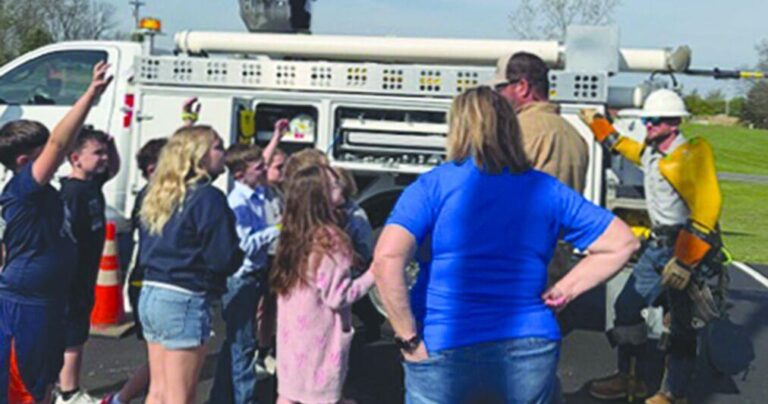
Consider the electrician, for example. Beyond wiring homes, they are now installing complex smart home systems, integrating renewable energy solutions like solar panels, and maintaining the intricate grids that power our cities. Plumbers aren’t just fixing leaks; they’re working with advanced water conservation technologies, managing sophisticated irrigation systems, and ensuring public health through complex wastewater management. HVAC technicians are at the forefront of energy efficiency, installing and servicing smart climate control systems that are vital for both comfort and environmental sustainability. These are not static jobs; they are dynamic professions that require continuous learning and adaptation.
This evolving landscape means that pursuing **skilled trades careers** offers a clear path to becoming an indispensable asset in any community. The ability to diagnose a complex electrical fault, perfectly weld a critical structural component, or restore heating in the dead of winter is a skill set that cannot be outsourced to a remote server or entirely replicated by an algorithm. These are fundamental, hands-on contributions that build and sustain modern society. Furthermore, the vocational training pathways for these careers are often shorter and more focused than traditional university programs, allowing students to enter the workforce faster and begin earning while developing expertise. This practical, experiential learning model appeals to many who thrive in applied environments, offering immediate gratification and a clear connection between effort and outcome.
### The Digital Renaissance of Craftsmanship: How AI and Tech are Transforming Trades
The integration of technology, particularly AI, into **skilled trades careers** is not a threat, but rather an enhancement. Far from making these jobs obsolete, advanced technologies are augmenting human capabilities, streamlining processes, and opening up new avenues for innovation. This digital renaissance is transforming craftsmanship, making it more efficient, precise, and sophisticated than ever before.
Take the field of construction, for instance. Building Information Modeling (BIM) software allows architects, engineers, and tradespeople to collaborate on 3D models, identifying potential conflicts before construction even begins, thus reducing waste and increasing efficiency. Robotics are assisting in repetitive tasks like bricklaying or demolition, allowing human workers to focus on more complex problem-solving and oversight. Drones are used for site mapping, progress monitoring, and even safety inspections, providing data that helps construction managers make informed decisions faster.
In the realm of maintenance and repair, AI is playing a transformative role. Predictive maintenance systems, powered by machine learning algorithms, analyze data from sensors embedded in machinery, HVAC units, or electrical grids. These systems can forecast potential failures before they occur, allowing technicians to perform proactive repairs rather than reactive, emergency fixes. This not only saves time and money but also extends the lifespan of critical infrastructure. Augmented reality (AR) and virtual reality (VR) are revolutionizing training, allowing apprentices to practice complex procedures in a safe, simulated environment. Imagine an aspiring electrician using an AR headset to overlay wiring diagrams onto a real-world panel, guided step-by-step through a repair, or a welder honing their technique in a VR simulator before touching a live flame. These tools accelerate learning and reduce errors.
Even seemingly traditional roles like plumbing are being impacted by smart technology. IoT (Internet of Things) sensors can detect leaks early, monitor water usage, and even predict potential pipe bursts, alerting plumbers to issues before they become catastrophic. Smart home installations, which integrate everything from lighting and security to climate control and entertainment systems, require electricians and HVAC technicians with a keen understanding of network protocols, software integration, and data management. The modern tradesperson is therefore not just a master of their craft but also a savvy technologist, continuously upskilling to incorporate these digital tools and methodologies into their work. This blend of hands-on skill and technological acumen makes **skilled trades careers** uniquely resilient and forward-looking in the AI age.
### Beyond the Hype: The Enduring Value of Human Expertise
While AI and automation are undoubtedly powerful, there are fundamental aspects of **skilled trades careers** where human expertise remains paramount and, dare I say, irreplaceable. These roles often demand a level of critical thinking, adaptability, and problem-solving that goes beyond algorithmic processing. When an unforeseen structural issue arises on a construction site, or an older, non-standard plumbing system fails, it requires a human mind to assess the unique variables, draw upon years of experience, and devise a creative solution that a pre-programmed AI simply cannot. The nuanced judgment required to identify the root cause of a complex electrical malfunction, or the artistic precision needed for custom cabinetry, transcends mere data analysis.
Furthermore, many **skilled trades careers** involve significant human interaction. Engaging with clients, understanding their specific needs and preferences, communicating solutions clearly, and building trust are all crucial components of the job. A client trusts a human plumber to enter their home and solve a sensitive problem, or an electrician to ensure their family’s safety. This human element – empathy, communication, and the ability to build rapport – is something AI cannot fully replicate. Tradespeople often work in dynamic, unpredictable environments, from cramped attics to bustling construction sites, requiring spatial reasoning, manual dexterity, and improvisation skills that are far beyond the current capabilities of most robotic systems.
The intrinsic satisfaction derived from skilled work is another powerful draw. There’s a profound sense of accomplishment in stepping back and seeing a tangible result of your labor – a perfectly installed electrical system, a robustly built frame, or a smoothly running HVAC unit. This immediate, visible impact offers a level of job satisfaction that is often harder to find in more abstract, desk-bound professions. As technology continues to advance, the distinction between what machines can do and what humans excel at becomes clearer. AI handles the data, the routine, and the optimization, but human tradespeople bring the intuition, the creativity, the adaptability, and the vital human touch that keeps our physical world functioning and evolving. This synergy ensures that **skilled trades careers** will not only endure but thrive.
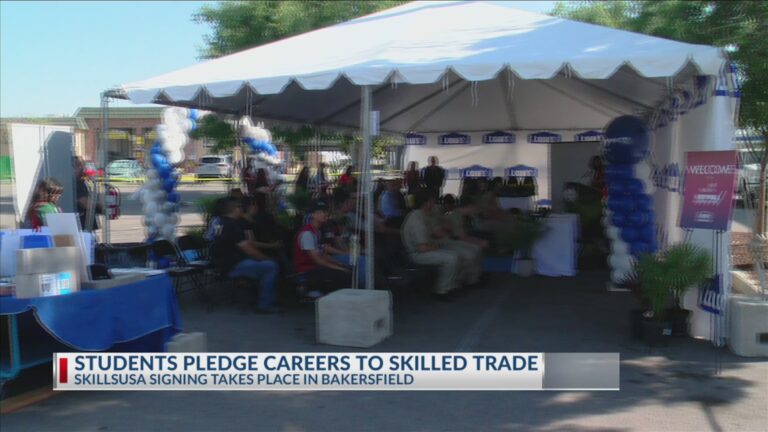
In conclusion, the increasing number of students pledging their futures to skilled trades is a testament to the enduring value and evolving nature of these professions. Far from being relegated to the past, **skilled trades careers** are at the forefront of a technological transformation, offering stable, well-paying jobs that blend traditional craftsmanship with cutting-edge innovation. They provide a direct path to meaningful work, where human ingenuity and hands-on expertise remain indispensable, even as AI reshapes other sectors of the economy.
This trend reminds us that true progress lies not in replacing human skill with technology, but in augmenting it. The tradesperson of tomorrow will be a master of both their craft and the digital tools that enhance it, building a future that is not only smart but also robustly constructed, meticulously maintained, and powered by the unwavering commitment of skilled individuals. For those seeking a career with impact, job security, and continuous learning in a rapidly changing world, the skilled trades offer an incredibly compelling and rewarding pathway.