

In an era increasingly shaped by artificial intelligence, the discourse often gravitates towards technical proficiencies – coding languages, data analytics, algorithmic understanding. While undeniably crucial, these skills represent only one facet of the future workforce. What truly sets humans apart, and what will remain indispensable even as AI advances, are uniquely human attributes: creativity, empathy, critical thinking, and the timeless art of storytelling. It is within this intersection of human imagination and technological progression that we find the true potential for nurturing future innovators.
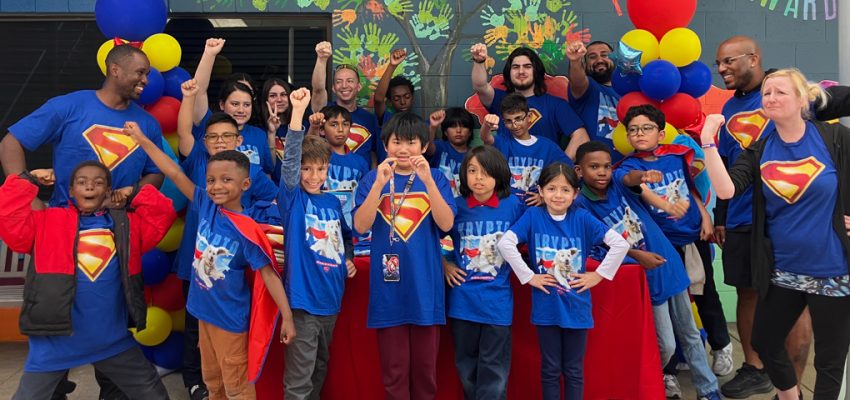
Consider the groundbreaking initiative recently rolled out in schools and Boys & Girls Clubs nationwide: DC Superpowered Storytellers. This program, a collaboration between DC and Warner Bros. Discovery Global Kids, Young Adults and Classics (GKYAC), isn’t just about kids having fun with iconic characters like Batman, Superman, and Wonder Woman. It’s a meticulously designed curriculum aimed at powering up children’s confidence, igniting their creativity, and shaping their career ambitions by engaging them in the fundamental principles of narrative creation. For an AI specialist and tech enthusiast like myself, this initiative is particularly fascinating because it implicitly addresses the profound shift in skills required for the coming decades, bridging traditional creative development with the demands of a hyper-digital future.
This article delves into how such programs are not merely extracurricular activities but essential launchpads for children to develop the foundational skills necessary to thrive in an AI-driven world. We will explore how blending classic storytelling with modern educational approaches helps in nurturing future innovators, preparing them not just to use technology, but to imagine, create, and lead with it.
Nurturing Future Innovators Through Narrative and Technology
The DC Superpowered Storytellers program exemplifies an innovative approach to education by leveraging the universal appeal of superheroes. At its core, it teaches children the structure of a compelling narrative: character development, plot progression, conflict resolution, and thematic exploration. These aren’t just literary concepts; they are blueprints for problem-solving, project management, and empathetic communication – skills that are critically valuable in any profession, especially those interacting with complex technological systems like AI.
Think about it: crafting a story requires a child to conceptualize, plan, iterate, and articulate ideas. They learn to put themselves in the shoes of a character (empathy), foresee challenges (critical thinking), and devise solutions (innovation). These are precisely the ‘soft skills’ that numerous reports, including those from the World Economic Forum, consistently highlight as essential for the future workforce. As AI takes over repetitive and analytical tasks, the demand for human ingenuity, ethical reasoning, and the ability to connect disparate ideas only intensifies. Programs like DC Superpowered Storytellers are, therefore, inadvertently yet powerfully, nurturing future innovators who possess the human-centric qualities necessary to guide AI responsibly and creatively.
Furthermore, the program’s emphasis on creativity transcends mere artistic expression. It fosters a ‘creator’s mindset’ – an attitude of curiosity, experimentation, and a willingness to build something new from scratch. In a world increasingly populated by sophisticated AI tools, the ability to prompt, direct, and refine AI outputs will be paramount. A child who has learned to construct a compelling plot or design a unique superhero persona is better equipped to articulate complex ideas to an AI system, turning abstract concepts into tangible results. This is the essence of digital literacy in the 21st century: not just consuming information, but actively participating in its creation and transformation, often with technological assistance.
The role of the Boys & Girls Clubs in this initiative cannot be overstated. By providing accessible platforms for such enrichment programs, they democratize opportunities for skill development. Not every child has access to advanced tech education or even dedicated creative outlets. These community hubs ensure that a diverse range of young minds can engage with these powerful tools, fostering a broader base for nurturing future innovators from all walks of life. This inclusivity is vital for ensuring that the benefits of technological progress are shared equitably and that diverse perspectives contribute to the future of AI and innovation.
The Symbiotic Relationship: AI, Creativity, and the Next Generation
It’s a common misconception that AI and creativity are at odds. On the contrary, they are increasingly symbiotic. AI is not here to replace human creativity but to augment it, offering unprecedented tools for expression and efficiency. For the generation currently growing up, understanding this dynamic will be crucial. Programs that foster creative storytelling are inadvertently laying the groundwork for a generation that can effectively collaborate with AI.
Imagine an aspiring young writer using an AI large language model to brainstorm plot twists, generate character backgrounds, or even outline an entire story arc. Or a young artist using AI-powered design tools to quickly prototype superhero costumes or create vibrant digital backdrops for their narratives. These are not distant sci-fi scenarios; they are current realities. The ‘DC Superpowered Storytellers’ program, while perhaps not explicitly using AI tools, cultivates the imagination and narrative logic that make such collaborations possible and productive. It teaches the children *what* makes a good story, so they can then instruct AI *how* to help them tell one.
AI can also personalize learning experiences, adapt to individual creative styles, and provide immediate feedback, further enhancing the creative journey. However, the ‘human in the loop’ remains indispensable. AI systems still lack genuine understanding, empathy, and the unique spark of human intuition that drives truly original thought. Therefore, equipping children with strong creative foundations ensures they remain the architects of their imagination, using AI as a powerful assistant rather than a replacement. This delicate balance is central to nurturing future innovators who are both tech-savvy and profoundly human in their approach.
Moreover, the skills honed through creative storytelling – understanding cause and effect, recognizing patterns, building coherent systems – are directly transferable to working with AI. Developing algorithms requires logical thinking akin to structuring a plot. Designing user interfaces demands an understanding of human interaction, much like crafting compelling character dialogue. The ethical dilemmas surrounding AI, such as bias in algorithms or the impact of automation, require empathetic reasoning and a capacity for narrative foresight – understanding the potential stories and consequences of technological choices. By engaging children in these deeper forms of creative thought, we are not just teaching them to tell stories; we are preparing them to build ethical, user-friendly, and truly impactful AI systems.
From Capes to Code: Preparing for a Dynamic Digital Horizon
The journey from imagining a superhero’s origin story to potentially designing an AI agent capable of assisting in scientific discovery might seem vast, but the underlying cognitive pathways are surprisingly similar. Both endeavors require imaginative problem-solving, structured thinking, and a clear vision. The DC Superpowered Storytellers program, by encouraging children to develop their own narratives and characters, instills a sense of agency and a belief in their own creative power. This empowerment is a critical precursor to engaging with complex technologies like AI.
Consider how storytelling might translate into future tech roles: a child who excels at crafting intricate plots could become a brilliant software architect, designing complex systems with logical dependencies. One who masterfully develops character backstories might find their calling in user experience (UX) design, empathizing with user needs and crafting intuitive interfaces. Even the ability to communicate a hero’s motivations clearly becomes a foundational skill for technical writing or presenting complex AI research to a lay audience. These subtle yet profound connections underscore the comprehensive nature of nurturing future innovators through creative endeavors.
The global demand for professionals with hybrid skills – technical acumen combined with strong interpersonal and creative capabilities – is rapidly increasing. LinkedIn’s Future of Jobs Report frequently highlights the growing importance of ‘soft skills’ alongside technical proficiencies. Programs like DC Superpowered Storytellers are uniquely positioned to cultivate this blend, fostering a generation that is not only comfortable with digital tools but also adept at applying human creativity and ethical judgment to technological challenges. It’s about more than just teaching kids to code; it’s about teaching them *why* they should code, *what* problems they should solve, and *how* their solutions impact humanity.
Ensuring widespread access to such programs is paramount. The digital divide is a persistent challenge, and initiatives that bring quality creative and skill-building opportunities to underserved communities, such as those served by Boys & Girls Clubs, are vital. By making these experiences available to all children, we broaden the pool of potential innovators, ensuring that the future of technology is shaped by a diverse chorus of voices and perspectives, ultimately leading to more robust and equitable AI solutions.
In conclusion, as we navigate an increasingly AI-driven landscape, the importance of foundational human skills cannot be overstated. Programs like DC Superpowered Storytellers, by engaging children in the timeless art of narrative creation, are doing far more than simply entertaining. They are strategically nurturing future innovators, equipping them with the confidence, creativity, and critical thinking abilities essential to thrive in a world where human ingenuity will be the ultimate differentiator. These initiatives bridge the gap between imaginative play and career readiness, demonstrating that the superheroes of tomorrow are not just battling villains on a page, but designing solutions for a better world.
Investing in these programs is an investment in our collective future. By empowering young minds to dream, create, and tell their own stories, we are cultivating a generation of critical thinkers, empathetic problem-solvers, and visionary leaders who are prepared to harness the power of AI for good. The narratives they craft today, whether with pencils or pixels, are shaping the innovative spirit that will define our technological tomorrow.










