
The transition from military service to civilian life is often depicted as a heroic journey, a triumphant return for those who have dedicated years, sometimes decades, to defending our freedoms. While the valor and sacrifice of our service members are undeniable, the reality of this transition can be far more complex, fraught with unforeseen challenges that extend far beyond simply finding a job. As an AI specialist and tech enthusiast, I’ve long been fascinated by how technology can solve pressing societal issues, and few are as critical as ensuring our veterans thrive once their uniforms are set aside. This article delves into a profound issue often overshadowed by broader unemployment statistics: the widespread problem of **veteran underemployment**, exploring its causes, consequences, and the innovative ways artificial intelligence can forge a path toward more fulfilling civilian careers for those who have served.
### Veteran Underemployment: An Invisible Barrier to Civilian Success
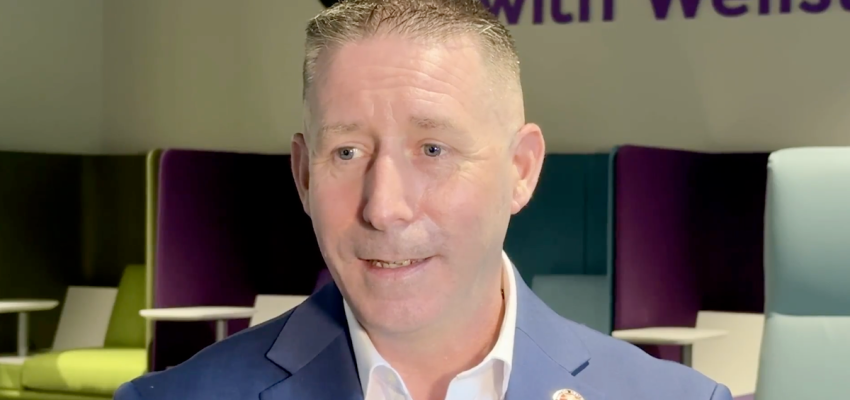
When we talk about employment for former service members, the focus often gravitates towards unemployment rates. However, the more insidious challenge is **veteran underemployment** – the phenomenon where veterans secure jobs that do not fully utilize their skills, experience, or education, often leading to lower pay, reduced career satisfaction, and limited growth potential. A former Marine, whose story in Georgia of rebuilding a career in healthcare resonates with many, has powerfully articulated this, underscoring that underemployment remains one of the most significant hurdles veterans encounter after leaving the military. It’s not just about having a job; it’s about having the *right* job, one that honors their extensive capabilities and training.
Consider the sheer scale of the transition. Each year, over 200,000 service members leave active duty, entering a civilian workforce that operates on entirely different principles and often speaks a different language. While veterans bring invaluable assets such as unparalleled leadership, teamwork, discipline, and technical proficiency honed under high-pressure conditions, these attributes are frequently misunderstood or undervalued by civilian employers. A combat medic, for instance, possesses advanced trauma care skills and decision-making under stress, yet may struggle to find an equivalent role outside a hospital emergency room, often ending up in entry-level positions that don’t reflect their expertise. Similarly, a logistics specialist who managed multi-million dollar supply chains across continents might find their experience dismissed in favor of someone with a civilian business degree.
The economic consequences of underemployment are significant. Studies by organizations like the U.S. Chamber of Commerce Foundation’s Hiring Our Heroes initiative indicate that veterans, particularly younger ones, often earn less in their initial civilian jobs than their non-veteran peers, creating a persistent wage gap. Beyond the financial strain, underemployment can lead to profound psychological distress, including feelings of frustration, alienation, and a diminished sense of purpose. For individuals accustomed to clear missions and impactful roles, a civilian job that feels mundane or beneath their capabilities can exacerbate mental health challenges, contributing to issues like depression and anxiety. This invisible barrier not only hinders individual veterans but also represents a massive missed opportunity for society, foregoing the immense talent and leadership potential our service members embody.
### Bridging the Divide: Translating Military Skills for Civilian Opportunities
One of the primary drivers of veteran underemployment is the substantial communication gap between military experience and civilian job requirements. The military operates with its own lexicon, an intricate web of acronyms, ranks, and specialized roles that are largely incomprehensible to the average HR manager. How does a “25U Signal Support Systems Specialist” translate into a civilian IT role? What civilian equivalent exists for a “Forward Observer” who directs artillery fire, requiring incredible spatial reasoning, communication, and real-time data analysis? This translation challenge is often a significant stumbling block.
Veterans are frequently told to “translate” their military skills, but without adequate tools or guidance, this becomes a daunting task. They possess a wealth of transferable skills: project management, crisis resolution, strategic planning, cross-cultural communication, and an unwavering commitment to mission accomplishment. Yet, these are rarely articulated in a way that resonates with civilian hiring committees. Many online platforms and non-profits have emerged to help bridge this gap, offering resume workshops and mentorship. While invaluable, these efforts often rely on manual interpretation and human resources that cannot keep pace with the volume of transitioning service members. This is where the power of technology, particularly artificial intelligence, presents a transformative opportunity.
Consider the complexity of a military occupation specialty (MOS) or an Air Force Specialty Code (AFSC). These codes encapsulate years of specialized training and experience. AI, with its capacity for advanced pattern recognition and natural language processing (NLP), can meticulously deconstruct these military descriptions, identify underlying competencies, and map them to civilian job descriptions with unprecedented accuracy. This goes far beyond keyword matching; it involves understanding the *essence* of the role, the implicit skills required, and their direct applicability in various civilian sectors.
### AI and the Future of Veteran Workforce Integration
The potential for artificial intelligence to revolutionize veteran workforce integration is immense. As an AI enthusiast, I see several key areas where intelligent systems can directly combat **veteran underemployment** and unlock new opportunities:
1. **AI-Powered Skill Translation and Matching:** Imagine an AI platform that can ingest a veteran’s Joint Service Transcript (JST), military awards, and experience narratives, then intelligently cross-reference these against millions of civilian job postings. Instead of a veteran manually trying to guess which skills are relevant, the AI can highlight transferable competencies (e.g., “logistics management” from a Quartermaster, “team leadership” from a Squad Leader) and suggest tailored job roles in high-demand fields like IT, project management, cybersecurity, or data analytics. These intelligent systems can move beyond superficial keyword matches to understand the semantic context and functional equivalency of military roles.
2. **Personalized Upskilling and Reskilling Paths:** Many veterans require additional training to transition into certain civilian sectors, especially those in rapidly evolving tech fields. AI-driven learning platforms can assess a veteran’s existing skill set, identify gaps relative to target career paths, and recommend personalized curricula, online courses, and certifications. These platforms can adapt to individual learning styles and paces, offering virtual mentors and interactive simulations to make learning more engaging and effective. For example, a veteran with strong analytical skills from intelligence work could be guided through a bespoke data science curriculum, leveraging their inherent strengths while acquiring new, in-demand technical proficiencies.
3. **Bias Reduction in Recruitment:** AI can also help mitigate unconscious bias in the hiring process. By anonymizing résumés and focusing on verifiable skills and competencies rather than traditional educational backgrounds or employment gaps, AI-powered applicant tracking systems can ensure veterans are evaluated purely on merit. Some AI tools can even analyze job descriptions to remove biased language that might inadvertently deter veterans from applying, fostering a more inclusive hiring environment.
4. **Career Guidance and Mentorship:** While human mentors are irreplaceable, AI can augment their efforts. AI chatbots and virtual assistants can provide 24/7 career advice, answer common questions about benefits, help refine interview skills through simulated practice, and even connect veterans with relevant human mentors or support networks based on shared experiences or career goals. This broadens access to crucial guidance, especially for veterans in remote areas or those who prefer anonymity.
5. **Data-Driven Policy and Program Development:** AI’s ability to process and analyze vast datasets can provide invaluable insights for policymakers and veteran support organizations. By analyzing employment trends, identifying common transition challenges, and measuring the effectiveness of various programs, AI can inform evidence-based strategies to address **veteran underemployment** more effectively. This could lead to targeted funding for specific training programs, improved outreach efforts, or new legislative initiatives designed to support veteran career growth.
### A Holistic Approach to Empowering Our Veterans
While the promise of AI in addressing veteran underemployment is significant and exciting, it is crucial to remember that technology is a tool, not a panacea. A truly effective approach requires a multifaceted strategy that combines technological innovation with robust human support and systemic change.
Firstly, continuous education for civilian employers is paramount. Companies need to understand the immense value veterans bring to the workforce, moving beyond stereotypes and recognizing their diverse skills, leadership capabilities, and unwavering dedication. This includes fostering veteran affinity groups within organizations and promoting mentorship programs where current employees can guide transitioning service members.
Secondly, government initiatives and non-profit organizations must continue to play a vital role. Programs offering financial incentives for hiring veterans, mental health support services tailored to their unique needs, and comprehensive transition assistance programs are indispensable. Policy frameworks that simplify licensing and certification recognition for military occupational specialities across states would also significantly reduce barriers to employment.
Ultimately, addressing **veteran underemployment** is a collective responsibility. It requires collaboration between technology innovators, employers, government bodies, non-profits, and the veterans themselves. By leveraging the analytical prowess of AI to better understand and bridge the military-civilian divide, combined with a persistent commitment to human empathy and support, we can build a future where every service member can seamlessly transition into a civilian career that is not just a job, but a fulfilling continuation of their distinguished service.
The profound sacrifices made by our veterans demand our unwavering commitment to their well-being and success. As we move further into an age defined by artificial intelligence, let us harness its power to ensure that those who have protected our future are empowered to build their own, without the invisible burden of underemployment weighing them down. The potential is there; it is now up to us to implement these transformative solutions and truly honor their dedication.