

In an era increasingly shaped by the rapid advancements of artificial intelligence and digital transformation, the conversation often gravitates towards cutting-edge algorithms, sophisticated machine learning models, and the intricate ethics of emergent technologies. As an AI specialist, I find myself deeply immersed in these discussions, constantly exploring how technology reshapes industries and human potential. However, amidst this technological fervor, it’s crucial to remember that the bedrock of innovation and progress remains human talent—nurtured, developed, and empowered from its earliest stages.
Today, I want to shift our focus slightly from the algorithms to the architects of the future: the students. More specifically, I want to illuminate the often-underestimated yet profoundly impactful role of campus-based work experiences. Far from being mere stop-gap measures for financial support, these opportunities, broadly defined as **student employment**, serve as dynamic crucibles for cultivating the essential skills, professional acumen, and adaptive mindsets vital for navigating and thriving in the complex, AI-augmented landscapes of tomorrow. Universities, in essence, function as living laboratories where academic learning is synergistically blended with practical application, preparing a generation not just to understand technology, but to actively shape its future.
Student Employment: Cultivating Essential Skills for a Dynamic Future
The traditional view of student jobs might conjure images of simple tasks, but the reality is far richer and more complex. Campus roles, ranging from library assistants and IT support technicians to research aids and administrative support, are invaluable incubators for a diverse array of skills—both soft and technical—that are highly prized across all sectors, including the technology and AI industries. According to a 2018 study by Georgetown University Center on Education and the Workforce, nearly 70% of college students work while enrolled, underscoring the widespread nature of these experiences. What’s often overlooked, however, is the depth of the learning occurring in these positions.
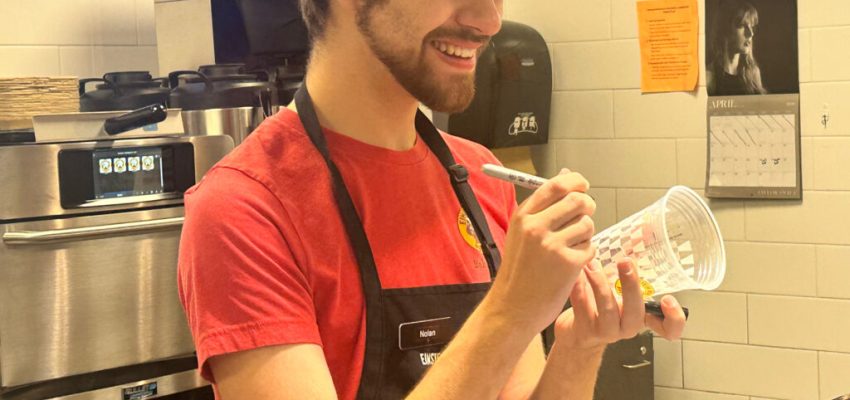
Consider the development of crucial soft skills. A student working at the campus help desk isn’t just resetting passwords; they’re mastering communication under pressure, honing problem-solving abilities, and developing empathy when assisting frustrated users. These are precisely the human-centric skills that AI, for all its power, struggles to replicate. In an AI-driven future, the ability to collaborate effectively, articulate complex ideas clearly, adapt to new challenges, and think critically will become paramount. These are not merely ‘nice-to-haves’ but foundational competencies that differentiate human performance in an automated world. A student managing event logistics for a campus department, for instance, learns project management, negotiation, and teamwork—skills directly transferable to leading agile development sprints or managing tech projects.
Beyond interpersonal acumen, **student employment** also fosters vital technical and digital literacy. Many campus roles involve interacting with databases, content management systems, basic network troubleshooting, or specific software applications. A student working in a university lab might gain hands-on experience with data collection, analysis tools, or even rudimentary programming. These practical encounters demystify technology, building comfort and proficiency that academic lectures alone cannot provide. In an age where digital fluency is no longer a niche skill but a universal requirement, these early exposures are critical. They help students develop an understanding of digital workflows, data integrity, and the practical application of technology to solve real-world problems – all fundamental aspects for anyone stepping into roles that involve AI systems, data analytics, or digital product development. They learn to be not just users, but often, first-line troubleshooters and informal testers, providing valuable feedback on digital tools.
Moreover, the responsibility inherent in any job, however entry-level, cultivates discipline, time management, and accountability. Balancing academic demands with work commitments requires exceptional organizational skills, a trait highly valued in any professional environment, especially in fast-paced tech startups or complex AI research teams. These experiences build resilience and self-efficacy, empowering students with the confidence to tackle future professional hurdles. The lessons learned about professional conduct, workplace ethics, and contributing to a larger organizational goal are priceless, forming the ethical backbone needed to navigate the complex societal implications of AI development and deployment.
The University as a Living Lab: Real-World Experience in a Controlled Environment
Universities are complex ecosystems, miniature cities with their own infrastructure, services, and administrative functions. Within this environment, **student employment** plays a multifaceted role, benefiting not only the students themselves but also the institution. From the university’s perspective, student employees offer an efficient, flexible, and often cost-effective workforce. They bring fresh perspectives, a willingness to learn, and an inherent understanding of the student body’s needs, which can be invaluable for improving services and fostering a vibrant campus community.
But for students, the university campus serves as an ideal “living laboratory.” It provides a relatively controlled and supportive environment where they can apply theoretical knowledge, experiment with new skills, and learn from mistakes without the high stakes often associated with external, corporate environments. Whether it’s assisting professors with research, managing social media for a departmental outreach program, or working in the IT department, these roles bridge the gap between abstract academic concepts and tangible real-world application. For example, a student working on a research project might gain direct experience with statistical software, data visualization tools, or even machine learning frameworks, translating classroom theory into practical data handling.
This practical immersion offers insights into organizational structures, operational processes, and interdepartmental collaboration. Students learn about workflows, hierarchy, and the importance of communication within a professional setting. They often witness firsthand how various departments contribute to a larger mission, offering a holistic view that might be absent from a purely academic curriculum. This understanding of organizational dynamics is crucial for future leaders and innovators who will need to integrate AI solutions into existing human systems and understand the implications for diverse stakeholders.
Furthermore, many campus roles expose students to the cutting edge of various fields. Those working in university innovation centers or specialized labs may interact with nascent technologies, contributing to early-stage projects. This exposure is particularly relevant for aspiring tech professionals, giving them a sneak peek into the future and helping them identify specific areas of interest, whether it’s cybersecurity, data science, robotics, or AI ethics. The university, therefore, becomes a proving ground, allowing students to test their aptitudes and passions in a semi-professional context before embarking on their full-time careers.
Beyond the Resume: Building Networks and Navigating the Professional Landscape
The tangible skills and experiences gained through **student employment** are undoubtedly valuable additions to any resume, providing concrete examples of capability and commitment. However, the benefits extend far beyond bullet points on a CV. These roles are unparalleled opportunities for networking and building a professional identity.
Students interact daily with faculty, staff, and often, external partners. These interactions can lead to invaluable mentorships, letters of recommendation, and future job opportunities. A supervisor might become a long-term mentor, offering guidance through career decisions and introductions to industry contacts. Such relationships are often organic and authentic, built on shared work experiences rather than forced networking events. In the tech world, where connections and mentorship can be pivotal for career advancement, these early relationships lay a crucial foundation.
Moreover, campus jobs provide a safe space to learn the unspoken rules of the professional world. Understanding workplace etiquette, managing expectations, giving and receiving feedback, and navigating professional relationships are all critical skills that are best learned through experience. These ‘soft landings’ into the professional sphere prepare students for the more demanding realities of full-time careers, helping them to avoid common pitfalls and integrate more seamlessly into their chosen industries. This foundational understanding of professional decorum and collaborative dynamics becomes even more critical in an AI-driven environment, where human collaboration with intelligent systems necessitates clear communication and ethical consideration.
Financially, student employment can significantly ease the burden of higher education. Earning an income can reduce reliance on student loans, mitigate financial stress, and provide a sense of independence and accomplishment. While financial benefits are direct, the psychological dividends are equally important. A student who contributes meaningfully to their campus community, earns their own money, and develops professional skills gains a profound sense of self-worth and confidence, empowering them to pursue ambitious career goals in any field, including the competitive landscape of AI and technology.
In conclusion, as we gaze into a future increasingly defined by intelligent machines and sophisticated algorithms, the human element remains irreplaceable. The cultivation of adaptable, skilled, and ethically grounded individuals is more critical than ever. **Student employment**, far from being a peripheral activity, stands as a foundational pillar in this endeavor, equipping young minds with the practical experience, diverse skill sets, and professional networks required to thrive.
These campus roles are not just jobs; they are crucial developmental pathways that bridge the gap between academic theory and real-world application, preparing the next generation to innovate, lead, and adapt. By valuing and investing in these invaluable opportunities, universities and society at large are not only empowering individual students but also fortifying the human capital essential for navigating and shaping an exciting, yet complex, AI-driven future.










