

In an era increasingly defined by rapid technological advancements and the omnipresence of artificial intelligence, the conversation often gravitates towards white-collar professions and digital skills. Yet, amidst this digital renaissance, a crucial sector continues to underpin our society, often overlooked but undeniably essential: the skilled trades. As an AI specialist with a deep passion for technology and its societal impact, I find myself continually reflecting on how we prepare the next generation for a workforce that is evolving at an unprecedented pace. The future isn’t just about algorithms and data; it’s about the people who build, maintain, and innovate our physical world, often with the support of advanced technologies.
It is precisely this intersection of traditional craftsmanship and modern innovation that makes initiatives like Be Pro Be Proud’s mobile learning lab so profoundly impactful. This visionary program, bringing its state-of-the-art mobile facilities to Northeast Florida, is doing more than just showcasing career options; it’s igniting curiosity, fostering practical skills, and challenging long-held perceptions about vocational careers. By providing middle- and high-school students with a direct, hands-on experience in various technical fields, it opens a universe of possibilities they might never have considered, directly addressing a critical need in our evolving economy. It’s a proactive step towards ensuring that our workforce remains robust, adaptable, and equipped for the challenges and opportunities of tomorrow.
Skilled Trades: Redefining Value in the Modern Economy
For decades, there has been a prevailing narrative that steers young people primarily towards four-year university degrees, often sidelining the immense value and potential of skilled trades. This perspective, while well-intentioned, has inadvertently contributed to significant workforce shortages in vital sectors across the nation. Plumbers, electricians, welders, HVAC technicians, machinists, carpenters – these are not just jobs; they are the bedrock of our infrastructure, the silent guardians of our comfort, and the essential artisans who build and maintain the world around us. According to a recent report by Deloitte and The Manufacturing Institute, the manufacturing industry alone could see 2.1 million jobs go unfilled by 2030, a gap largely attributable to a lack of skilled workers and a shifting perception of these roles.
What many might not realize is how profoundly these professions have evolved. Today’s electricians are troubleshooting complex smart home systems; plumbers utilize advanced diagnostics and non-invasive leak detection technologies; welders work with robotic arms and sophisticated materials; and HVAC specialists manage climate control systems integrated with smart building management platforms. These are not static, low-tech jobs; they are dynamic careers demanding critical thinking, problem-solving, and a continuous engagement with new technologies. The distinction between ‘blue-collar’ and ‘white-collar’ is rapidly blurring, giving way to ‘new-collar’ jobs that require a blend of technical expertise, digital literacy, and traditional hands-on proficiency.
The Be Pro Be Proud initiative directly addresses this perceptual gap by bringing these modernized roles directly to students. Instead of relying on abstract descriptions or outdated stereotypes, students can step into a mobile lab that simulates real-world work environments. Imagine a student, perhaps initially uninterested in traditional schooling, discovering a knack for robotics programming in a simulated manufacturing cell, or understanding the intricacies of circuit design in an electrical engineering setup. This immediate, tangible engagement can be a powerful catalyst, transforming abstract career paths into concrete aspirations. It empowers students to visualize themselves in these roles, offering a compelling alternative to conventional academic routes and highlighting the rewarding nature of these specialized crafts.
Furthermore, the economic rationale for pursuing a career in the professional trades is increasingly compelling. Many skilled trades offer excellent earning potential, often with less accumulated student debt compared to a four-year degree. Apprenticeships and technical training programs provide practical, paid experience, allowing individuals to earn while they learn and enter the workforce with valuable, in-demand skills. This financial accessibility and direct path to employment are significant advantages, especially in an economic landscape where college costs continue to rise and job market entry can be competitive. It’s about empowering students with choices that lead to fulfilling and stable careers, regardless of their post-secondary path.
Innovation on Wheels: The Mobile Lab Experience
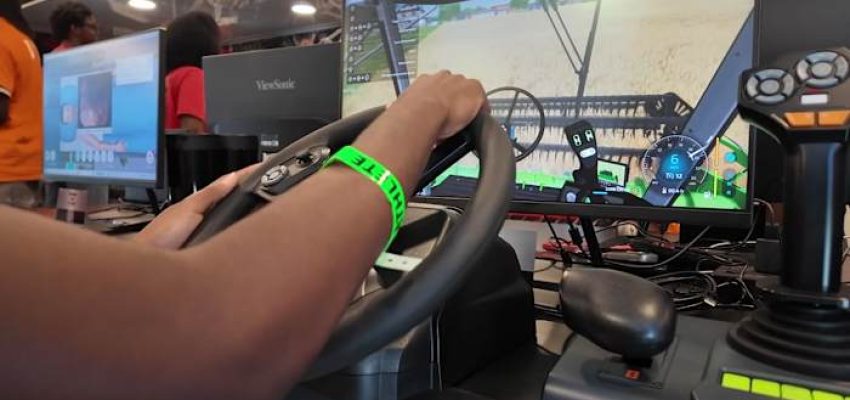
The concept of a mobile learning lab is, in itself, a testament to innovative educational outreach. In a world where access to resources can be geographically uneven, bringing the classroom—or, in this case, the workshop—directly to the students is a game-changer. Be Pro Be Proud’s mobile lab is not just a bus; it’s a meticulously designed, state-of-the-art facility packed with interactive stations that mimic real job sites. Think of it as a vocational school condensed into a dynamic, traveling exhibition. Each station offers a distinct experience, from operating heavy equipment simulators to practicing welding techniques using virtual reality, or even exploring the fundamentals of plumbing and electrical wiring. This innovative approach breaks down traditional barriers to learning, making high-quality, experiential education accessible to a broader demographic.
The impact of hands-on learning, particularly for technical skills, cannot be overstated. Research consistently shows that experiential learning leads to higher retention rates, deeper understanding, and increased engagement compared to passive learning methods. When students can physically interact with tools, machinery, and materials, they develop a spatial awareness, problem-solving abilities, and a confidence that classroom instruction alone cannot provide. This tactile engagement is crucial for developing the motor skills and intuitive understanding required in many technical professions. Moreover, it taps into different learning styles, ensuring that students who might not thrive in a traditional academic setting can discover their aptitudes and passions in a more practical environment.
Consider the psychological benefit: encountering a complex machine or task in a controlled, supportive environment demystifies the profession. It transforms daunting job descriptions into manageable, engaging challenges. Students learn that these careers are within their reach, fostering self-efficacy and inspiring them to pursue further training. This direct interaction also serves to break down gender stereotypes often associated with certain technical careers, encouraging both young men and women to explore fields that historically might have been considered male-dominated. Diversity in the workforce enriches every sector, bringing varied perspectives and enhancing innovation, and initiatives like this are instrumental in cultivating that diversity from a young age.
The mobile lab’s journey through Northeast Florida underscores a broader national imperative: investing in workforce development at the foundational level. States and regions across the U.S. are increasingly recognizing the strategic importance of nurturing their local talent pipelines, and programs like Be Pro Be Proud serve as models for effective community engagement and educational outreach. They demonstrate a commitment to equipping future generations with the practical skills needed to thrive, whether that means working in construction, advanced manufacturing, automotive repair, or a host of other essential sectors that rely on skilled professionals. This forward-thinking approach is not just about filling immediate job vacancies; it’s about building a sustainable economic future by fostering a culture of practical innovation and technical excellence.
Shaping Tomorrow’s Workforce: A Holistic Approach to Career Readiness
The integration of technology into every facet of our lives means that even the most traditional skilled trades are becoming increasingly sophisticated. Far from being immune to digital transformation, these sectors are embracing automation, data analytics, and artificial intelligence to enhance efficiency, safety, and precision. An HVAC technician might use AI-powered predictive maintenance software to anticipate equipment failures; a builder could leverage drones and 3D modeling for site inspections and planning; and a welder might operate advanced robotic systems to execute intricate designs. The next generation of trade professionals will not only need hands-on competence but also digital literacy, critical thinking, and adaptability to new tools and methodologies.
This is where the vision of a program like Be Pro Be Proud truly aligns with the demands of the 21st century. By introducing students to a wide array of career possibilities and demonstrating the cutting-edge tools used within them, it prepares them for a hybrid future where technical acumen meets technological fluency. It cultivates a mindset of continuous learning and problem-solving, essential traits for navigating a rapidly changing job market. It’s about more than just demonstrating a skill; it’s about showcasing a career path that offers continuous growth, intellectual stimulation, and tangible contributions to society.
As we look to the future, the partnership between educational institutions, industry, and community initiatives will become ever more vital. The success of programs like this mobile lab highlights the need for a holistic approach to career readiness—one that values diverse pathways, champions practical skills, and embraces innovation in teaching methodologies. It’s a powerful reminder that while AI and automation will undoubtedly reshape many industries, the human element—our ingenuity, craftsmanship, and ability to adapt—remains irreplaceable. The demand for competent, technologically savvy, and dedicated trade professionals will only continue to grow, making investments in their training and exposure not just beneficial, but absolutely essential.
Ultimately, by bringing these crucial career demonstrations directly to students, Be Pro Be Proud is planting seeds of opportunity. It’s showing young minds that a fulfilling, prosperous future isn’t confined to a single academic track but can be found in the mastery of a craft, the building of infrastructure, and the innovative application of specialized knowledge. As André Lacerda, I believe deeply in the power of technology to augment human potential, and initiatives like this beautifully illustrate how we can harness modern approaches to uplift foundational sectors, ensuring a bright and stable future for both individuals and our broader society.
The mobile lab is a beacon, illuminating pathways that might otherwise remain unseen, and empowering a generation to build the world of tomorrow with their own hands and minds. It reinforces the idea that true progress is achieved when we recognize and invest in all forms of intelligence and skill, fostering a diverse and robust workforce prepared for whatever the future may bring.










