
In an era defined by rapid technological advancement and unprecedented innovation, the automotive industry stands at a fascinating crossroads. From the hum of electric vehicles to the intricate dance of autonomous driving systems, cars are no longer just mechanical marvels; they are sophisticated, rolling computers. Yet, beneath the gleaming surfaces and intelligent algorithms, a critical challenge looms large: a significant and growing **automotive technician shortage**. This isn’t just an inconvenience; it’s a potential crisis that threatens to disrupt everything from daily commutes to the very progress of automotive innovation.
As an AI specialist and a fervent tech enthusiast, I’ve long observed industries grappling with the evolving demands of a digital age. The automotive sector, often perceived through the lens of traditional mechanics, is undergoing a profound transformation. Modern vehicles require a new breed of professional – one who is as adept with diagnostic software as they are with a torque wrench. Recognizing this urgent need, industry leaders are stepping up. Among them, NAPA, a name synonymous with automotive parts and service excellence, is doubling down on its commitment to cultivate the next generation of skilled professionals through substantial educational investments, offering five scholarships to students pursuing careers in this vital field. This strategic move isn’t merely about corporate philanthropy; it’s a forward-thinking response to safeguard the future of mobility itself.
Automotive Technician Shortage: A Looming Crisis for the Industry
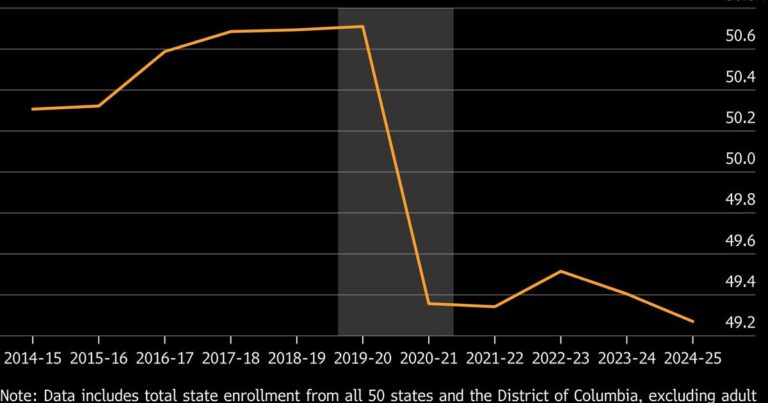
The scarcity of qualified automotive technicians is not a new phenomenon, but its severity is escalating. According to the TechForce Foundation, the industry needs approximately 79,000 new technicians annually just to keep pace with demand, yet completion rates from post-secondary programs fall significantly short of this target. This widening gap is driven by a confluence of factors. One significant contributor is the aging workforce; many experienced technicians are nearing retirement, taking decades of invaluable expertise with them. Simultaneously, there’s been a noticeable decline in young people entering skilled trades, often steered towards four-year university degrees rather than vocational paths.
Compounding this demographic shift is the rapidly increasing complexity of modern vehicles. Today’s cars are veritable marvels of engineering, integrating advanced driver-assistance systems (ADAS), intricate infotainment networks, and sophisticated hybrid and electric powertrains. Servicing these machines demands not only mechanical aptitude but also a strong grasp of electronics, diagnostics, software, and even cybersecurity. The traditional image of a ‘grease monkey’ laboring solely with wrenches is outdated; today’s technicians are highly skilled diagnosticians and problem-solvers, working with advanced technology daily. This evolution, while exciting, has created a demand for specialized skills that the current supply of new talent struggles to meet.
The implications of a sustained **automotive technician shortage** are far-reaching. Consumers face longer wait times for repairs, potentially higher service costs, and even compromised vehicle safety if maintenance is delayed or performed by less qualified individuals. For businesses, this translates into lost revenue, operational inefficiencies, and a struggle to maintain service quality standards. Economically, it can hinder growth and innovation within the automotive aftermarket, a sector crucial to the functioning of our transportation infrastructure. Addressing this deficit is not just about filling jobs; it’s about sustaining an essential service that underpins modern society.
NAPA’s Proactive Approach: Investing in the Next Generation
Recognizing the urgency of this challenge, NAPA has positioned itself as a pivotal force in nurturing future talent. By offering five distinct scholarships, NAPA is directly addressing one of the most significant barriers to entry for aspiring technicians: financial constraints. Vocational training, while often more affordable than a traditional university degree, still represents a substantial investment. These scholarships ease that burden, making automotive careers more accessible and attractive to a broader pool of candidates.
NAPA’s commitment extends beyond simply providing financial aid. It’s an investment in an entire ecosystem. The company understands that building the next generation of professionals requires a multi-faceted approach that includes robust training, mentorship, and career pathways. While the specific details of the scholarships may vary, they typically aim to support students pursuing certifications or degrees in automotive technology, collision repair, diesel mechanics, and heavy-duty equipment service. By focusing on these areas, NAPA helps ensure a pipeline of talent equipped to handle the diverse needs of today’s automotive landscape.
Furthermore, NAPA often partners with technical schools, community colleges, and industry organizations to ensure that scholarship recipients receive top-tier education and hands-on experience. This collaborative spirit is essential, as no single entity can solve the **automotive technician shortage** alone. Through such initiatives, NAPA not only provides financial assistance but also validates the dignity and professional value of skilled trades, helping to reshape public perception and attract bright young minds to a rewarding career path. This strategic foresight allows NAPA to contribute significantly to the industry’s resilience and capacity for future growth.
Beyond Wrenches and Oil: The Evolving Role of the Modern Automotive Technician
The career path of an automotive technician is far more dynamic and intellectually stimulating than many perceive. Today’s technicians are akin to vehicle doctors, integrating mechanical knowledge with advanced diagnostic tools, software updates, and complex electrical system troubleshooting. The advent of electric vehicles (EVs), for instance, demands expertise in high-voltage battery systems, electric motors, and regenerative braking technologies – a stark contrast to the internal combustion engines of old. Similarly, autonomous vehicles, even in their current semi-autonomous forms, require technicians who understand sensor calibration, lidar, radar, and intricate communication protocols.
This evolution means that a career as an automotive technician offers continuous learning and professional development. It’s a field where problem-solving skills are paramount, and every day brings new challenges and opportunities to master cutting-edge technologies. The compensation for highly skilled and certified technicians is also competitive, often exceeding that of many traditional white-collar jobs, underscoring the high value placed on their expertise. As vehicles become more connected and intelligent, the technician’s role will only grow in importance, bridging the gap between sophisticated machinery and human needs.
Moreover, the modern auto shop is increasingly leveraging digital tools, data analytics, and even elements of AI-powered diagnostics to enhance efficiency and accuracy. This integration of technology makes the technician’s job less about brute force and more about analytical precision and digital fluency. It transforms a hands-on trade into a technically advanced profession, attractive to individuals who enjoy working with technology and solving complex puzzles. This forward trajectory is crucial in overcoming the ongoing **automotive technician shortage** and demonstrating the bright future awaiting those who choose this path.
The **automotive technician shortage** represents a profound challenge that could impede the industry’s progress and impact consumers globally. However, it also presents an incredible opportunity to redefine and elevate a vital profession. NAPA’s initiative to provide scholarships is a shining example of how industry leaders can proactively address workforce gaps by investing in education and the next generation of talent.
This commitment to fostering skilled professionals is not just about filling immediate vacancies; it’s about ensuring that the automotive sector remains robust, innovative, and capable of adapting to the technological shifts defining our future. As vehicles continue their evolution into highly sophisticated, interconnected machines, the role of the human technician – a master of both mechanics and digital diagnostics – will remain indispensable. By supporting these dedicated individuals, NAPA, and other forward-thinking organizations, are not only empowering career paths but are also cementing the foundational human expertise that will drive the automotive world forward for decades to come.