

In an era defined by relentless technological advancement, the digital landscape is not merely shifting; it’s undergoing a seismic transformation. From artificial intelligence to quantum computing, the innovations emerging today are reshaping industries, economies, and societies at an unprecedented pace. This rapid evolution presents both immense opportunities and significant challenges, particularly in ensuring we have a skilled and adaptable workforce capable of harnessing these technologies.
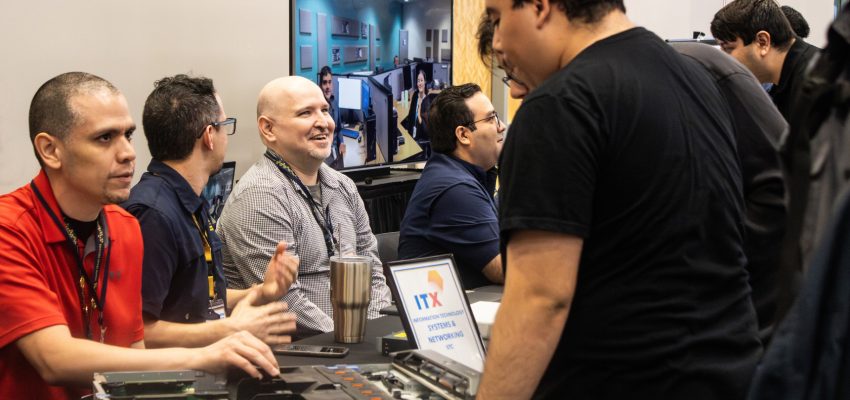
As an AI specialist, writer, and tech enthusiast, I’ve long observed that the strength of any technological frontier hinges not just on brilliant ideas but on the human talent that brings them to life. The demand for skilled technology professionals continues to outstrip supply, creating a critical need for robust strategies to nurture future innovators. Events like the 14th annual Information Technology Expo at South Texas College’s Pecan Campus, which brought together aspiring tech professionals with regional industry leaders, exemplify a vital mechanism in this grand endeavor. These gatherings are more than just career fairs; they are essential incubators for the next generation of digital architects, cybersecurity guardians, data scientists, and AI pioneers. They are where theory meets practice, where aspirations meet opportunities, and where the foundation for sustainable Tech Workforce Development is meticulously laid.
### Tech Workforce Development: Bridging Academia and Industry
The fundamental challenge in today’s fast-paced tech world is the dynamic gap between academic curricula and the immediate needs of the industry. Universities and colleges strive to provide comprehensive theoretical foundations, yet technology evolves so rapidly that specific tools, platforms, and methodologies can become obsolete or drastically change within a few semesters. This creates a ‘skill gap’ – a chasm between what graduates know and what employers desperately need. Bridging this gap is not just an educational imperative; it’s an economic one, vital for regional growth and national competitiveness.
IT expos serve as critical conduits in this intricate ecosystem. By connecting hundreds of students directly with industry professionals and prospective employers, these events offer invaluable real-world exposure that textbooks alone cannot provide. Students gain firsthand insights into current industry trends, emerging technologies, and the specific skill sets companies are seeking. They learn about internship opportunities, mentorship programs, and entry-level positions that can jumpstart their careers. More importantly, these interactions help demystify complex corporate environments and provide a clearer vision of potential career trajectories.
For businesses, participating in such expos is equally beneficial. It’s an opportunity to scout fresh talent, identify promising candidates early, and even influence educational programs by communicating their evolving demands. Companies can showcase their innovative projects, articulate their culture, and build a positive brand image among future employees. This symbiotic relationship fosters a robust pipeline of skilled individuals, ensuring that regional industries have access to the talent they need to innovate and expand. The continuous dialogue facilitated by these expos is a cornerstone of effective Tech Workforce Development, allowing educational institutions to fine-tune their offerings and prepare students more effectively for the challenges and opportunities of the digital age. It’s about creating an ecosystem where learning is continuous, relevant, and directly applicable to the demands of a dynamic market.
### Navigating the Digital Frontier: Key Skills and Emerging Careers
The technological landscape is a sprawling frontier, constantly expanding with new territories and challenges. To thrive within it, individuals need a diverse array of skills, encompassing both technical proficiency and crucial soft capabilities. The U.S. Bureau of Labor Statistics (BLS) projects a robust growth for computer and information technology occupations, estimating over 377,500 new jobs over the next decade, a testament to the persistent demand. This growth isn’t uniform; certain sectors are experiencing explosive expansion, demanding specialized expertise.
**Artificial Intelligence and Machine Learning:** This field is at the forefront of innovation, powering everything from recommendation engines to autonomous vehicles. Professionals in AI/ML require strong programming skills (Python is dominant), a deep understanding of statistical modeling, data structures, and algorithms, along with expertise in machine learning frameworks like TensorFlow or PyTorch. Ethical AI design and understanding algorithmic bias are also becoming increasingly critical.
**Cybersecurity:** With the escalating threat of cyberattacks, the demand for cybersecurity professionals is skyrocketing. These guardians of digital assets need proficiency in network security, incident response, penetration testing, ethical hacking, and knowledge of compliance frameworks. Analytical thinking and constant vigilance are paramount in this high-stakes domain.
**Cloud Computing:** Services from Amazon Web Services (AWS), Microsoft Azure, and Google Cloud Platform are the backbone of modern digital infrastructure. Cloud architects, engineers, and administrators must be adept at cloud infrastructure management, deployment, security, and cost optimization. Hybrid cloud and multi-cloud strategies are also gaining traction, requiring versatile skills.
**Data Science and Analytics:** In a data-driven world, the ability to extract insights from vast datasets is invaluable. Data scientists require strong statistical knowledge, proficiency in tools like R or Python, expertise in database management (SQL, NoSQL), and data visualization techniques. They are storytellers who translate complex data into actionable business intelligence.
Beyond these technical proficiencies, essential soft skills are often the differentiator. Problem-solving, critical thinking, adaptability, and effective communication are universally valued. The ability to collaborate in diverse teams, demonstrate creativity, and maintain a growth mindset are equally vital for navigating the rapidly evolving career landscape. Continuous learning is not just an advantage; it’s a necessity in the journey of successful Tech Workforce Development. The most successful professionals are those who are lifelong learners, constantly updating their skill sets to remain relevant in a dynamic industry.
### The AI Revolution and the Future of Work
My primary focus as an AI specialist often centers on understanding how artificial intelligence is not merely a tool but a fundamental paradigm shift. AI is redefining the future of work, creating entirely new job categories while transforming existing ones across nearly every sector imaginable. From automating routine tasks to augmenting human capabilities, AI’s impact is profound and far-reaching. This revolution necessitates a proactive approach to Tech Workforce Development, focusing on preparing individuals for a collaborative future with intelligent systems.
Consider the evolution of roles: we now see AI ethics specialists, prompt engineers, machine learning operations (MLOps) engineers, and AI trainers – positions that barely existed a decade ago. Even traditional roles in finance, healthcare, and manufacturing are being reshaped by AI-driven insights and automation. This isn’t just about technical skills; it’s about understanding how to interact with, manage, and leverage AI systems responsibly and effectively. It requires a blend of technical acumen, critical thinking, and ethical awareness.
The imperative for lifelong learning has never been stronger. As AI continues to evolve, so too must the skills of the workforce. This means educational institutions, industry, and individuals must collaborate on reskilling and upskilling initiatives. For instance, an IT expo might not just showcase job opportunities but also highlight micro-credentialing programs or specialized workshops on AI ethics or prompt engineering. The ethical dimension of AI is particularly crucial, as the deployment of powerful algorithms carries significant societal implications. A well-rounded tech professional today must not only understand *how* to build AI but also *why* and *for whom* it should be built, ensuring fairness, transparency, and accountability.
Ultimately, the future workforce will be one characterized by human-AI collaboration. The goal isn’t to replace humans with machines but to empower humans with intelligent tools, freeing them to focus on higher-level creative, strategic, and empathetic tasks. Events like the STC IT Expo, by showcasing the breadth of opportunities including those at the cutting edge of AI, play a pivotal role in cultivating a future-ready workforce. They inspire students to not only pursue technology careers but to become thoughtful innovators who can shape the AI-driven world responsibly and beneficially. This continuous engagement and adaptation are paramount for nurturing a robust digital talent pool.
In conclusion, the journey of cultivating tomorrow’s innovators is a continuous and collaborative one. Events like the South Texas College IT Expo stand as shining examples of how bridging the gap between academia and industry is not just beneficial, but absolutely essential for a thriving digital economy. They provide the necessary platforms for students to connect with real-world opportunities, for businesses to discover emerging talent, and for the entire ecosystem to adapt to the relentless pace of technological change.
As we look ahead, the emphasis on robust Tech Workforce Development will only intensify. The fusion of technical prowess with critical soft skills, coupled with an unwavering commitment to lifelong learning, will define the successful professional of the future. By fostering environments that encourage curiosity, collaboration, and ethical innovation, we can ensure that the human element remains at the heart of technological progress, driving a future that is not only smart but also sustainable and equitable for all.










