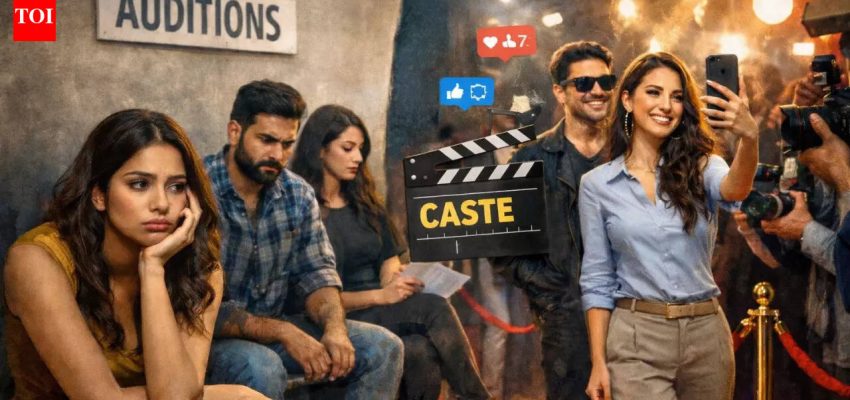

For decades, the path to cinematic stardom was a well-trodden, albeit arduous, one: acting schools, relentless auditions, small roles, and perhaps a lucky break that catapulted talent into the limelight. The ‘dream factory’ of Hollywood and global cinema seemed to operate on a set of traditional rules, where raw skill, charisma, and a compelling agent were the primary currencies. However, as with almost every industry, the digital revolution has dramatically altered this landscape, introducing new variables that challenge long-held conventions.
Today, a new metric has entered the casting equation, one that exists far beyond the confines of a script or an audition room: social media followers. The recent remarks by actor Shiva Shah Ra, highlighting the perceived disproportionate impact of Instagram follower counts on casting decisions, have not only reignited an industry-wide debate but also underscored a seismic shift in how talent is discovered, valued, and ultimately, cast. As an AI specialist and tech enthusiast, I find this convergence of art and algorithms endlessly fascinating. Is the era of pure talent being overshadowed by digital popularity? Let’s delve into this complex, multifaceted phenomenon.
Instagram Influence in Film Casting: A New Paradigm?
The notion that an actor’s digital footprint could sway a casting director’s decision might seem anathema to traditionalists, but it’s an undeniable reality taking root across the global film industry. The underlying motivation is surprisingly pragmatic: marketing and reach. In an increasingly fragmented media landscape, securing an audience is paramount. When a production company casts an actor with a massive online following, they aren’t just hiring a performer; they’re acquiring a pre-built marketing channel, a direct line to millions of potential viewers.
Consider the sheer scale of platforms like Instagram. With over 2 billion active monthly users, it’s a global stage where personalities can cultivate vast, engaged communities. For producers, this represents an invaluable asset. Promoting a film starring an actor who can organically reach, say, 10 million followers with a single post effectively leverages that actor’s personal brand as a promotional tool, potentially reducing traditional marketing expenditure. This isn’t just about saving money; it’s about amplifying reach in an age where traditional advertising methods are often met with skepticism or indifference. The **Instagram influence in film casting**, therefore, isn’t merely a trend; it’s a strategic maneuver for a financially constrained and intensely competitive industry.
This shift began subtly, with reality TV stars making the jump to film, and social media personalities securing endorsement deals. Over time, the line blurred further, leading to situations where actors with formidable resumes might find themselves overlooked in favor of someone with a less extensive acting background but a more substantial digital following. Actor Shiva Shah Ra’s experience echoes a growing sentiment among industry veterans and emerging talents alike: the frustration of seeing the craft of acting potentially devalued in favor of a superficial metric. This isn’t to say that all social media stars lack talent, but it raises critical questions about the criteria for selection.
The phenomenon extends beyond simply getting eyes on a project. A high follower count can signal a performer’s ability to engage an audience, demonstrating a contemporary resonance that might appeal to younger demographics. This demographic focus is crucial, as younger audiences are often the most active on social media and the most likely to share content, creating a virtuous cycle of engagement and potential viewership. Moreover, an actor’s online presence offers insights into their public persona, their ability to connect with fans, and their brand compatibility with a project. It’s a dynamic that forces casting directors to balance artistic vision with commercial viability, making the **Instagram influence in film casting** a complex, double-edged sword.
The Double-Edged Sword of Digital Stardom
While the commercial benefits for studios are clear, the impact on actors is far more nuanced, presenting both unprecedented opportunities and significant challenges. For aspiring artists, social media platforms have democratized access in ways unimaginable a decade ago. Actors can now create their own content—short films, monologues, skits—and showcase their talents directly to a global audience, bypassing traditional gatekeepers. Many successful careers have indeed been launched or significantly boosted by viral videos or consistent online content creation. This empowerment allows actors to build a personal brand, connect with fans, and even attract the attention of industry professionals who might scout new talent online.
However, this digital requirement also places immense pressure on performers. The expectation to maintain an active, curated online presence can be a full-time job in itself, distracting from the core craft of acting. It demands constant content creation, engagement with followers, and an awareness of trending topics, all of which can feel inauthentic or draining. Furthermore, the very metrics that can open doors—likes, comments, shares—can also become sources of anxiety, leading to a focus on superficial popularity rather than artistic depth. The pressure to conform to an ‘influencer’ archetype can stifle creativity and authenticity, pushing actors to cultivate personas that may not truly reflect their artistic identity.
Beyond the personal toll, there’s the broader ethical question of fairness. Is it equitable for an actor who has dedicated years to honing their craft, attending prestigious acting academies, and performing in countless stage productions, to be overlooked for a role simply because another candidate has more followers? This concern is particularly acute in industries where diversity and equal opportunity are constant battles. The current dynamic risks creating a new form of digital gatekeeping, where talent is not merely judged by skill but by its quantifiable popularity. The ongoing discussion about the **Instagram influence in film casting** highlights this tension between meritocracy and marketability.
Moreover, the ephemeral nature of online fame poses another risk. While a high follower count today might secure a role, digital trends are notoriously fickle. What happens when an actor’s online popularity wanes, or when a new platform emerges? The longevity of a career built primarily on social media metrics remains an open question, contrasting sharply with careers forged on a foundation of consistent, high-quality performances.
Beyond the Numbers: Reimagining Talent in the Digital Age
The critical debate surrounding the **Instagram influence in film casting** isn’t about dismissing social media’s role entirely; rather, it’s about finding a balanced perspective. Social media is an undeniable force, and its utility in marketing and audience engagement cannot be ignored. The challenge lies in integrating these digital metrics without compromising the core artistic values of filmmaking.
One potential path forward involves leveraging technology, specifically AI and data analytics, in more sophisticated ways. Instead of merely counting followers, AI could be trained to identify genuine engagement, assess the quality of an actor’s self-produced content, or even analyze sentiment around their performances. Could AI help discover raw, unvarnished talent that might not yet have a massive digital following but possesses immense potential? As an AI specialist, I believe there’s a significant opportunity here to move beyond superficial metrics and develop tools that can identify true artistic promise, even from unknown corners of the internet, without solely relying on popular appeal.
Furthermore, the industry could foster a culture that encourages actors to utilize social media authentically, as a tool for connection and artistic expression, rather than a popularity contest. Workshops on digital branding, ethical online presence, and even digital detoxes could help actors navigate this new terrain more healthily. Ultimately, casting directors, producers, and filmmakers must consciously decide how much weight to give to digital metrics versus traditional talent assessment. The ideal scenario would be one where an actor’s social media presence complements, rather than dictates, their artistic worth.
The film industry has always evolved, adapting to new technologies from sound to color, from CGI to streaming. The current transformation driven by social media is just another chapter in this ongoing story. The enduring power of compelling storytelling, authentic performances, and creative vision should always remain at the heart of filmmaking. The digital age offers incredible new avenues for connection and exposure, but these tools must serve the art, not overshadow it.
The conversation sparked by actors like Shiva Shah Ra is crucial. It forces the industry to confront its changing dynamics and ask what truly defines talent and potential in an increasingly digital world. As we move forward, the aim should be to harness the power of social media to discover, nurture, and celebrate diverse talent, ensuring that the dream factory continues to be a place where true artistry can flourish, irrespective of follower counts. The future of film casting is likely a hybrid model, one that respectfully integrates digital insights with timeless human judgment, securing both commercial success and artistic integrity.