
In an era where the future of work is a constant topic of global discussion, marked by the rapid advancements of artificial intelligence and automation, the foundational skills that underpin our physical world often remain steadfast. While algorithms tackle complex data and robots refine manufacturing, the need for skilled hands to build, maintain, and innovate our infrastructure persists and even grows. It is against this backdrop of evolving economic landscapes that innovative educational models are becoming more critical than ever.
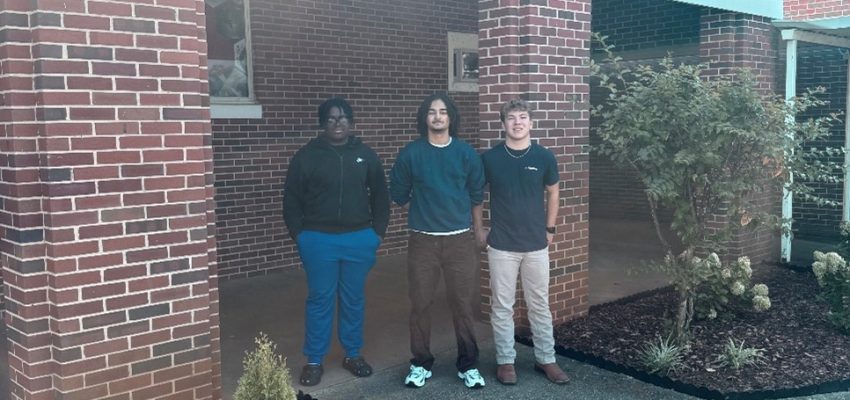
A shining example of such forward-thinking initiatives recently emerged from North Alabama. On July 9, 2025, Deshler High School in Tuscumbia achieved a significant milestone: its Pre-Apprenticeship Program in Heating, Ventilation, and Air Conditioning (HVAC) received certification from the Alabama Office of Apprenticeship (AOA). This isn’t just a local news item; it’s a testament to a growing national recognition of the value of vocational training and a strategic response to the demands of a modern workforce. For André Lacerda, an AI specialist with a keen eye on the intersection of technology and human potential, this development represents more than just a new program; it embodies a crucial pathway for young individuals to thrive in an increasingly complex and technologically integrated world.
Youth Pre-Apprenticeship: A Bridge to In-Demand Careers
The concept of a **youth pre-apprenticeship** is a powerful model, effectively bridging the gap between traditional secondary education and the specific skill sets required by contemporary industries. Unlike conventional classroom learning, these programs immerse students in the practical realities of a trade, offering early exposure to tools, techniques, and workplace environments. Deshler High School’s HVAC program, certified by the Alabama Office of Apprenticeship, provides precisely this kind of invaluable head start. It allows students to gain foundational knowledge and hands-on experience in a field critical to modern living – ensuring comfortable, healthy, and energy-efficient indoor environments.
What makes a **youth pre-apprenticeship** particularly compelling is its dual benefit: students acquire relevant, employable skills while still in high school, and industries gain access to a pre-qualified talent pipeline. This model directly addresses the persistent skills gap faced by many sectors, including HVAC, which consistently projects a high demand for skilled technicians. According to the U.S. Bureau of Labor Statistics, employment of HVAC and refrigeration mechanics and installers is projected to grow 6 percent from 2022 to 2032, about as fast as the average for all occupations, adding approximately 23,800 new jobs. This steady demand underscores the wisdom of investing in vocational training pathways early.
Furthermore, these programs often provide an alternative, debt-free path to a rewarding career. While a four-year university degree remains a valuable option for many, it is not the only route to professional success. Pre-apprenticeships, followed by full apprenticeships, offer the opportunity to ‘earn while you learn,’ reducing financial burdens and fostering a sense of immediate professional purpose. For young individuals deciding their post-high school trajectory, a **youth pre-apprenticeship** can represent a practical, financially prudent, and highly effective springboard into a stable and prosperous career.
HVAC in the Age of Smart Technology and AI
The HVAC industry today is far from the simple mechanical systems of yesteryear. It stands at the forefront of the smart home revolution and commercial building management, deeply integrated with advanced technology, data analytics, and increasingly, artificial intelligence. Modern HVAC systems are sophisticated networks of sensors, smart thermostats, programmable logic controllers, and IoT (Internet of Things) devices. They are designed for optimal energy efficiency, predictive maintenance, and seamless integration with broader building automation systems.
Consider the role of AI in an HVAC context: predictive algorithms can analyze historical weather data, building occupancy patterns, and energy consumption to anticipate heating and cooling needs, optimizing system performance and drastically reducing energy waste. AI-powered diagnostics can identify potential equipment failures before they occur, allowing for proactive maintenance rather than reactive repairs, thereby extending the lifespan of units and minimizing costly downtime. Smart ventilation systems, guided by AI, can monitor indoor air quality in real-time, adjusting airflow and filtration to maintain optimal health and comfort conditions.
For students entering a program like Deshler’s, this means their training must evolve beyond traditional mechanical skills. They are not just learning to install and repair furnaces and air conditioners; they are preparing to become ‘technological diagnosticians’ and ‘system integrators.’ They will need to understand networking protocols, software interfaces, and data interpretation alongside refrigerant cycles and electrical wiring. This blend of hands-on mechanical aptitude and digital literacy is precisely what makes vocational training in fields like HVAC incredibly resilient and relevant in an AI-driven world. These skilled professionals will be the indispensable human element that installs, configures, troubleshoots, and services the very smart systems that AI helps optimize.
Building a Future-Ready Workforce: The Role of Vocational Training and AI Synergy
The Deshler High School initiative is more than just a local program; it’s a microcosm of a larger, critical trend in workforce development. As AI continues to reshape industries, the conversation often centers on job displacement. However, an equally important, often overlooked, aspect is job transformation and the creation of entirely new roles or enhanced versions of existing ones. Practical, hands-on skills in areas like HVAC are not easily automated. While AI can *assist* an HVAC technician with diagnostics or route optimization, it cannot yet perform the intricate physical tasks of installation, repair, or custom problem-solving on-site.
This reality underscores the enduring value of vocational training and the dignity of skilled labor. Programs like the **youth pre-apprenticeship** at Deshler are vital for cultivating a workforce that is not only resistant to full automation but also capable of leveraging AI as a tool to enhance their efficiency and expertise. They teach adaptability, critical thinking, and problem-solving in real-world scenarios – skills that transcend any specific technology cycle.
Furthermore, such programs foster local economic resilience. By training local students for local needs, communities can build self-sustaining talent pools, reducing reliance on external labor and stimulating economic growth. The Alabama Office of Apprenticeship’s certification highlights a broader commitment within the state to invest in these pathways, recognizing their strategic importance. This approach acknowledges that a robust economy requires a diverse array of skills, from cutting-edge software engineering to indispensable plumbing, electrical, and HVAC trades.
As André Lacerda often emphasizes, the future of work isn’t just about AI, but about the intelligent integration of human capabilities with artificial intelligence. It’s about empowering people with the skills to build, maintain, and innovate the physical world, even as the digital world expands. Vocational training, particularly through models like the **youth pre-apprenticeship**, ensures that the next generation is not merely prepared for the future, but actively shaping it, equipped with the practical expertise and adaptive mindset necessary to navigate the complexities of an AI-enhanced society.
Conclusion: Pathways to Prosperity in a Changing World
The launch of Deshler High School’s HVAC Pre-Apprenticeship Program in North Alabama stands as a powerful testament to proactive, vision-driven education. It demonstrates a profound understanding that preparing young people for the future requires more than just academic knowledge; it demands practical skills, industry exposure, and a pathway to immediate career relevance. In a world increasingly shaped by artificial intelligence, programs like this are not just about training technicians for today’s needs but about cultivating a generation of skilled professionals who can adapt, innovate, and thrive alongside evolving technology. They underscore the irreplaceable value of human ingenuity and dexterity in an economy that will always require hands-on expertise.
As we look ahead, the synergy between vocational training and technological advancement will only deepen. The ability to work with smart systems, understand data-driven insights, and apply traditional craftsmanship will define the most successful careers. Deshler High School, through its pioneering **youth pre-apprenticeship**, is not just equipping students with a trade; it is empowering them with a future-proof skill set, a sense of purpose, and a direct route to economic independence. This initiative serves as an inspiring blueprint for communities nationwide, illustrating how strategic investments in practical education can build a robust, resilient, and ready workforce for whatever tomorrow may bring.