
In an age defined by rapid technological advancements and an ever-increasing demand for reliable infrastructure, the professionals who keep our lights on, water flowing, and gas lines secure are, quite literally, the unsung heroes of modern society. Their work, often conducted in challenging environments and under significant pressure, forms the bedrock of our daily lives and economic stability. Yet, the critical importance of their safety and continuous professional development can sometimes be overlooked. This is precisely why events like the upcoming utility safety summit in Springfield, Missouri, are not just beneficial, but absolutely indispensable.
Far from being mere conferences, these gatherings serve as vital crucibles for innovation, knowledge exchange, and the cultivation of a resilient workforce. They represent a proactive commitment to safeguarding both the individuals who perform these essential services and the communities that depend on them. As an AI specialist and tech enthusiast, I see a profound connection between the foundational work discussed at such summits and the advanced technological ecosystems we strive to build. A smart city, a robust national grid, or even the seamless operation of an AI-powered logistics network—all hinge on the fundamental safety and reliability of our utility infrastructure. Let’s delve deeper into why this particular utility safety summit, and others like it, are more crucial now than ever before.
Utility Safety Summit: A Crucible for Future-Proofing Essential Services
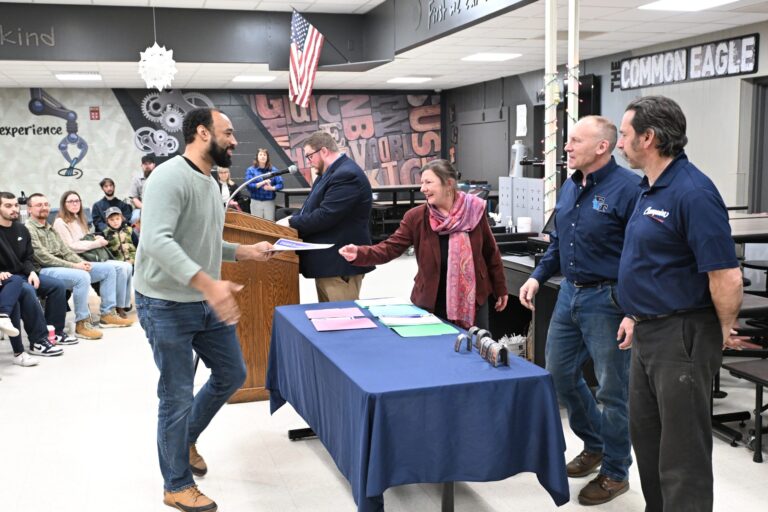
The core objective of any comprehensive utility safety summit is to elevate industry standards, disseminate best practices, and equip professionals with the knowledge and certifications necessary to navigate the complexities of their roles safely. The Springfield event, attracting utility professionals from across the country, is a testament to the industry’s collective commitment to continuous improvement. Attendees will engage in classes spanning a diverse and critical curriculum, including advanced job site safety protocols, vital discussions on mental health in the workplace, and specialized certifications that are often a prerequisite for handling cutting-edge equipment and hazardous materials.
Job site safety, for instance, isn’t a static concept. It evolves with technology, regulatory changes, and environmental factors. From understanding advanced lockout/tagout procedures for smart grid components to mastering safe excavation techniques near fiber optic cables, the training is meticulously designed to address contemporary risks. Consider the sheer scale and diversity of utility operations: electrical grids spanning thousands of miles, intricate natural gas pipeline networks, vast water treatment and distribution systems, and complex telecommunication infrastructures. Each segment presents its own unique set of hazards, from high-voltage electrocution and gas explosions to confined space dangers and trench collapses. According to the Bureau of Labor Statistics, utility workers face significantly higher risks of fatal and non-fatal injuries compared to the average worker, underscoring the urgency of rigorous safety training.
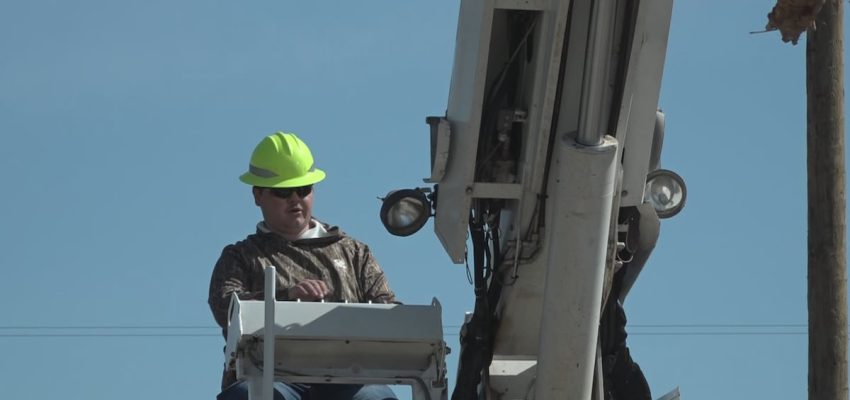
Moreover, the focus on specialized certifications is paramount. These aren’t just pieces of paper; they are badges of expertise, validating a professional’s ability to operate complex machinery, handle specific substances, or manage critical systems safely and efficiently. For instance, certifications in advanced first aid and CPR, hazardous materials handling (HAZMAT), or specific equipment operation (like bucket trucks or trenching equipment) are essential. The dynamic nature of the utility sector means that these certifications require regular renewal and updates, making a utility safety summit an ideal venue for keeping skills sharp and knowledge current. The opportunity for professionals from various communities to learn from each other and share localized challenges and solutions fosters a powerful network of collective intelligence, driving national best practices forward.
Navigating the Evolving Landscape: Technology, Workforce, and Well-being
The utility sector is undergoing a profound transformation, driven by technological innovation and an increasing awareness of workforce well-being. This metamorphosis introduces both new challenges and unprecedented opportunities for enhancing safety.
Technology Integration and Its Safety Implications
Modern utilities are rapidly integrating advanced technologies, from smart grids and IoT sensors to drone inspections and predictive analytics. While these innovations promise greater efficiency and reliability, they also demand new safety protocols and training. For example, the deployment of smart meters and distributed energy resources (DERs) like solar panels changes how power flows, requiring grid operators to understand complex bidirectional flows and potential new fault conditions. Augmented Reality (AR) and Virtual Reality (VR) are beginning to revolutionize training, allowing utility workers to practice high-risk procedures in a simulated, safe environment before stepping onto a live site. Imagine a scenario where a technician can virtually walk through the steps of repairing a high-voltage transformer, identifying potential hazards and rehearsing emergency responses, all without any physical risk. This kind of immersive training, often discussed and demonstrated at a forward-thinking utility safety summit, significantly reduces real-world incidents.
Furthermore, the advent of AI and machine learning holds immense potential for proactive safety. AI-powered analytics can process vast amounts of data from sensors, maintenance logs, and even weather patterns to predict equipment failures or identify high-risk areas before an incident occurs. Drones equipped with thermal cameras can inspect power lines and pipelines in hazardous terrains, minimizing human exposure to danger. While these technologies promise a safer future, their effective and safe implementation relies heavily on a workforce that is not only skilled in traditional operations but also adept at interacting with and leveraging these advanced tools. Summits like the one in Springfield are critical for bridging this knowledge gap, ensuring that the human element remains central to technological advancement.
Workforce Development and Mentorship
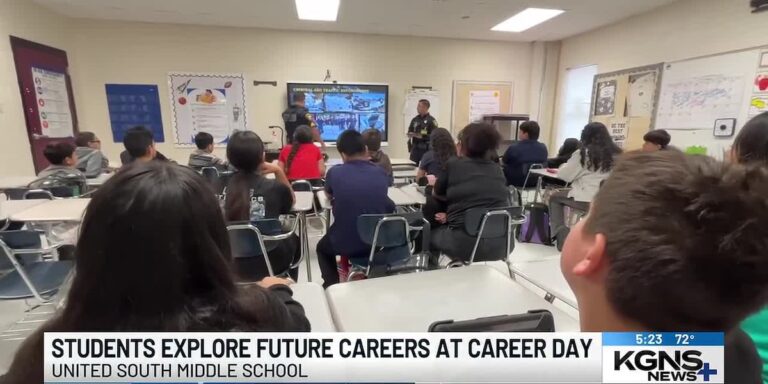
The utility industry faces a looming workforce challenge. A significant portion of its experienced workforce is nearing retirement, creating a knowledge vacuum that needs to be filled by a new generation of skilled professionals. This is where the “inspires future careers” aspect of a utility safety summit becomes particularly impactful. By showcasing the professionalism, complexity, and critical nature of utility work, these events can attract and mentor emerging talent. They offer a tangible pathway for young individuals to understand the diverse roles available—from field technicians and engineers to data analysts and environmental specialists—and the continuous learning required to excel.
Mentorship programs and networking opportunities at these summits are invaluable. Experienced professionals can share their insights, cautionary tales, and best practices, effectively passing on decades of institutional knowledge. This intergenerational transfer of expertise is vital for maintaining high standards of safety and operational excellence. Moreover, by fostering a culture of continuous learning and professional development, these summits help build a more resilient and adaptable workforce capable of responding to future challenges, be it extreme weather events intensified by climate change or the integration of entirely new energy sources.
Prioritizing Mental Health in the Workplace
Often overlooked, mental health in the workplace is a crucial component of overall safety. Utility workers frequently operate in high-stress environments, facing long hours, emergency call-outs, exposure to dangerous situations, and the pressure of maintaining essential services for millions. The psychological toll of responding to natural disasters, dealing with fatalities, or working in isolation can be profound. The Springfield utility safety summit‘s inclusion of mental health sessions is a progressive and much-needed step.
These sessions typically cover topics such as stress management, recognizing signs of burnout, building resilience, and fostering a supportive work environment. Implementing peer support programs, providing access to mental health resources, and destigmatizing conversations around psychological well-being are all vital. A mentally healthy workforce is not only more productive and engaged but also more alert and less prone to errors that can lead to accidents. By acknowledging and addressing these challenges, the utility sector demonstrates a holistic commitment to the well-being of its most valuable asset: its people.
Impact on Small Communities
The benefits of a well-trained and safety-conscious utility workforce ripple outward, particularly benefiting small communities. These communities often have limited resources for in-house training or access to specialized equipment. Attending a national utility safety summit provides their local professionals with access to the same high-caliber education and networking opportunities as their counterparts in larger municipalities. This levels the playing field, ensuring that even the smallest towns can maintain high standards of utility service and safety.
For small communities, reliable utilities are not just a convenience; they are fundamental to economic development, public health, and emergency preparedness. An outage in a rural area can mean more than just inconvenience; it can impact critical services like hospitals, schools, and local businesses. By empowering local utility professionals with enhanced safety skills and up-to-date knowledge, these summits directly contribute to the resilience and sustainability of these communities, helping them to better withstand natural disasters, infrastructure failures, and other unforeseen events.
The Unseen Heroes: Ensuring Reliability and Public Trust
The work of utility professionals is often unseen until something goes wrong. Yet, their continuous dedication to safety and operational excellence is what underpins the smooth functioning of society. Every safely installed power line, every meticulously maintained water pipe, and every securely managed gas main contributes to an infrastructure that we often take for granted. This proactive approach to risk management, honed and refined at events like the Springfield utility safety summit, is an investment in public trust.
A robust safety culture within the utility sector has far-reaching economic implications. Preventing accidents and outages saves millions, if not billions, in repair costs, lost productivity, and emergency response. Beyond the financial aspects, there’s the invaluable societal impact: ensuring that hospitals have power, schools can operate, and homes have access to clean water. These are not merely commodities; they are fundamental human needs and rights in a developed nation.
The challenges facing utilities are only set to grow. Climate change brings more extreme weather events, demanding greater resilience and more robust safety protocols for repair crews. Cybersecurity threats require new layers of protection for smart grids, and the integration of renewable energy sources introduces complex new operational and safety considerations. In this context, the ongoing dialogue and training facilitated by a utility safety summit are not just about meeting current standards; they are about anticipating future challenges and proactively building an industry capable of meeting them head-on, ensuring sustained reliability and safeguarding the trust that communities place in their essential services.
The utility sector, often operating outside the immediate public eye, is a cornerstone of modern life. The professionals within it are not just workers; they are custodians of essential services, guardians of public safety, and architects of a resilient future. The upcoming utility safety summit in Springfield, by fostering a culture of continuous learning, prioritizing mental well-being, and integrating cutting-edge technology, reinforces this vital commitment.
As we look to a future increasingly shaped by AI and advanced technology, the foundational strength of our infrastructure and the expertise of its human operators become even more critical. Events like this summit ensure that the essential services we rely on daily remain robust, safe, and capable of evolving with the demands of an ever-changing world. It is a powerful reminder that while technology can innovate, human dedication and relentless pursuit of safety remain irreplaceable.