

In an era defined by rapid technological advancement, particularly the burgeoning influence of artificial intelligence, the very fabric of our global workforce is undergoing an unprecedented transformation. Jobs are evolving, new industries are emerging, and the skills once deemed essential are quickly being augmented or replaced by intelligent systems. It’s a landscape that demands foresight, adaptability, and innovative educational paradigms. As an AI specialist and enthusiast, I’ve dedicated much of my work to understanding these shifts and advocating for strategies that empower individuals to thrive in this new reality.
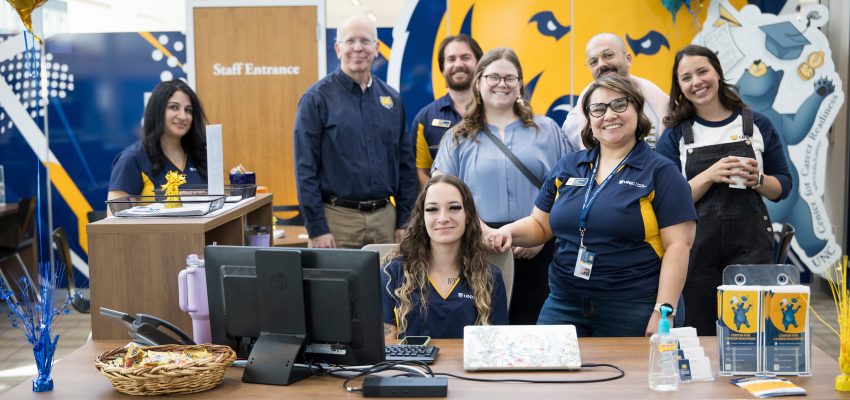
It is within this crucial context that initiatives like the Colorado Department of Higher Education’s (CDHE) program to foster robust connections between academia and industry become not just commendable, but absolutely vital. On October 31, 2025, a significant milestone was reached in Colorado’s commitment to preparing its future workforce: the University of Northern Colorado (UNC) was officially honored with the prestigious designation as a Career-Connected Campus. This recognition is far more than an academic accolade; it represents a strategic, future-oriented commitment to equipping students with the practical skills, real-world experiences, and industry networks essential for navigating an increasingly complex and AI-influenced job market. It’s a proactive step towards ensuring that the talent pipeline in Colorado remains vibrant, competitive, and truly ready for the challenges and opportunities of tomorrow.
Career-Connected Campus: A Blueprint for the Future Workforce
So, what exactly does it mean to be designated a Career-Connected Campus? At its core, this designation signifies a profound shift from traditional, often isolated academic models to an integrated ecosystem where learning is inextricably linked to real-world career pathways. It’s a deliberate and comprehensive strategy by higher education institutions to embed experiential learning into the very fabric of their curriculum, fostering direct engagement between students, faculty, and industry partners.
The Colorado Department of Higher Education, in its wisdom, recognized the growing chasm between academic preparation and employer needs, a gap further widened by the accelerating pace of technological change. The advent of AI, machine learning, and automation isn’t just changing how we work; it’s redefining the very nature of job roles, demanding a workforce that is not only skilled in specific domains but also highly adaptable, critically minded, and inherently collaborative. The CDHE’s initiative to establish a network of Career-Connected Campus institutions across the state is a direct response to this challenge, aiming to cultivate a talent pool that can meet the evolving demands of Colorado’s diverse economy, from its booming tech sector to its vital healthcare and aerospace industries.
For UNC, achieving this status means a reinforced commitment to a multi-faceted approach. This includes, but is not limited to, robust internship programs, apprenticeships, cooperative education models, project-based learning directly sponsored by industry, and mentorship opportunities that pair students with professionals in their chosen fields. Imagine a computer science student at UNC not just learning theoretical algorithms, but actively contributing to an AI ethics project with a local Denver-based tech startup, or an education major gaining hands-on experience developing AI-powered learning tools for K-12 classrooms. These aren’t just supplemental activities; they are integral components of the educational journey, ensuring that graduates possess not only theoretical knowledge but also the practical competencies and professional acumen that employers desperately seek.
The benefits extend beyond individual skill acquisition. This model encourages curriculum innovation, where academic departments work in lockstep with industry advisors to ensure course content is relevant, up-to-date, and future-proof. It means that professors are not just educators but also facilitators of real-world engagement, bringing industry challenges directly into the classroom. The strategic foresight of this approach cannot be overstated; by integrating career readiness throughout the educational experience, institutions like UNC are not just preparing students for their first job, but for a lifetime of dynamic career growth in a world continually reshaped by technological innovation.
Bridging the Divide: Academia Meets Industry in the Age of AI
Historically, a common critique of higher education has been its perceived disconnect from the practical realities of the professional world. Graduates, despite their academic achievements, often found themselves lacking the ‘soft skills’ – critical thinking, problem-solving, communication, teamwork – or the specific industry experiences that made them immediately employable. This gap has become even more pronounced in the age of AI. While AI excels at automating repetitive tasks and processing vast amounts of data, it simultaneously elevates the importance of uniquely human capabilities. Creativity, emotional intelligence, complex ethical reasoning, and cross-cultural communication are becoming the true differentiators in the modern workforce.
The Career-Connected Campus model actively works to bridge this divide, forging powerful symbiotic relationships between universities and the business community. For students, this means direct exposure to professional environments, understanding industry cultures, and building invaluable networks even before graduation. It’s an opportunity to apply classroom theory to real-world problems, fostering a deeper understanding and retention of knowledge. Moreover, this practical experience often translates into faster job placement, higher starting salaries, and a smoother transition from academia to career, potentially alleviating some of the financial pressures associated with student debt.
From the industry’s perspective, partnering with a Career-Connected Campus offers an unparalleled advantage. Companies gain access to a pipeline of highly skilled, pre-vetted talent that is already familiar with their industry’s demands and potentially their specific organizational culture. This significantly reduces recruitment and onboarding costs. Furthermore, these partnerships can fuel innovation. University research projects, driven by real industry challenges, can lead to breakthroughs, and the fresh perspectives of students can often spark novel solutions to long-standing problems. For example, a local manufacturing firm might collaborate with UNC engineering students on optimizing production lines using AI-powered predictive maintenance, offering students invaluable experience while providing the company with cutting-edge solutions.
For Colorado as a whole, these designations contribute significantly to economic vitality and resilience. By retaining skilled graduates within the state, fostering innovation through university-industry collaboration, and developing a workforce that is agile and future-ready, Colorado strengthens its position as a leading hub for technological advancement and economic growth. This proactive approach ensures that the state’s workforce can not only adapt to but also drive the changes brought about by AI and other emerging technologies, making Colorado an attractive destination for businesses seeking top talent.
Cultivating Adaptability: Skills for an AI-Driven Tomorrow
The most profound impact of the Career-Connected Campus initiative lies in its capacity to cultivate adaptability – a paramount skill in an AI-driven world. The jobs of tomorrow will not solely be about technical proficiency, but rather about the human ability to collaborate with AI, leverage its capabilities, and critically analyze its outputs. Therefore, institutions embracing this model must focus on a broader spectrum of skills.
While foundational technical skills remain crucial, the emphasis shifts towards what some call ‘meta-skills’ or ‘human skills.’ These include complex problem-solving, critical thinking, creativity, and effective communication – qualities that AI, despite its impressive advancements, still struggles to fully replicate. A student involved in an industry-sponsored project, for instance, learns not just to code, but to negotiate project requirements, troubleshoot unexpected challenges, present findings to stakeholders, and work effectively within a diverse team. These are the competencies that allow individuals to pivot, reskill, and continuously learn throughout their careers.
Moreover, true preparedness for an AI-driven future necessitates AI literacy. This isn’t just about using AI tools, but understanding their underlying principles, ethical implications, and societal impacts. A Career-Connected Campus can integrate discussions on AI ethics, data privacy, and algorithmic bias into various disciplines, ensuring that graduates are not just users of technology, but responsible and informed citizens and professionals. Imagine a future where business graduates understand how AI influences market trends and consumer behavior, where journalism graduates can critically analyze AI-generated content, and where healthcare professionals can effectively use AI diagnostics while maintaining human empathy.
The model also implicitly promotes lifelong learning. By exposing students to real-world challenges and the rapid pace of industry change, it instills an understanding that education doesn’t end with a degree. The interconnectedness of a Career-Connected Campus with industry ensures that students are constantly exposed to emerging trends and required to update their skillsets. Furthermore, AI tools themselves can play a role here, offering personalized learning paths, skill assessments, and even AI-powered career counseling to guide students in their continuous professional development. This holistic approach ensures that graduates from institutions like UNC are not just prepared for a specific job, but for a dynamic and evolving career trajectory, equipped with the resilience and adaptability needed to thrive amidst constant innovation.
Looking Ahead: Education’s Evolving Role
The designation of the University of Northern Colorado as a Career-Connected Campus by the CDHE is a powerful testament to the state’s progressive vision for higher education and workforce development. It signals a vital recognition that preparing students for the future means going beyond traditional academic boundaries, fostering deep, meaningful connections with the industries that will ultimately employ them. In an increasingly AI-permeated world, initiatives like this are not merely beneficial; they are indispensable for cultivating a workforce that is not only highly skilled but also adaptable, innovative, and ethically aware. By bridging the gap between classroom theory and real-world application, Colorado is setting a benchmark for how educational institutions can proactively address the evolving demands of the global economy.
As we look to the horizon, the continued success of the Career-Connected Campus model will depend on ongoing collaboration, responsiveness to technological shifts, and a shared commitment from academia, industry, and government. The future workforce will be defined not just by what it knows, but by its capacity to learn, adapt, and innovate alongside intelligent systems. By investing in programs that foster practical experience, critical thinking, and a deep understanding of emerging technologies, Colorado is not just preparing its students for jobs; it is empowering them to shape the future, ensuring human ingenuity remains at the forefront of progress in the age of AI.










