

In an era defined by rapid technological advancement and complex global challenges, the call for dedicated, skilled public servants has never been more critical. From the brave individuals who respond to emergencies to those who safeguard our communities daily, these professionals form the backbone of a resilient society. Yet, inspiring the next generation to embrace these demanding, incredibly rewarding careers requires more than just encouragement; it demands immersive, hands-on training that prepares them for the realities of the field.
It was with this visionary spirit that a significant milestone was recently celebrated in San Diego: the grand opening of a cutting-edge Fire Science Lab at the Linda Vista Innovation Center (LVIC). Orchestrated by the San Diego County Office of Education (SDCOE), this event was a vibrant testament to a collective commitment involving students, educators, industry leaders, and public officials. Far from being just another facility, this lab is a meticulously designed learning environment, engineered to ignite a passion for vital public service careers—roles that are not only high-demand but also offer substantial personal and professional fulfillment.
### Fire Science Lab: A Beacon for Future Public Servants
The inauguration of the Fire Science Lab at the Linda Vista Innovation Center marks a pivotal moment for regional educational development and public safety. This facility is more than just a collection of training tools; it represents a comprehensive ecosystem designed to simulate real-world scenarios that future firefighters, EMTs, paramedics, and other emergency responders will face. The SDCOE’s foresight in establishing such a specialized program at LVIC underscores a deep understanding of the critical need for a continuous pipeline of highly trained professionals in the public service sector.
The demand for these crucial roles is consistently high across the United States. According to the U.S. Bureau of Labor Statistics, employment of firefighters is projected to grow 6 percent from 2022 to 2032, about as fast as the average for all occupations. More specifically, employment of EMTs and paramedics is projected to grow 7 percent over the same decade, which is faster than the average. These figures highlight a steady and enduring need for qualified individuals, ensuring that careers in emergency services offer significant job security and opportunities for advancement. Moreover, these professions often come with competitive salaries and robust benefits packages, recognizing the immense value these individuals bring to their communities.
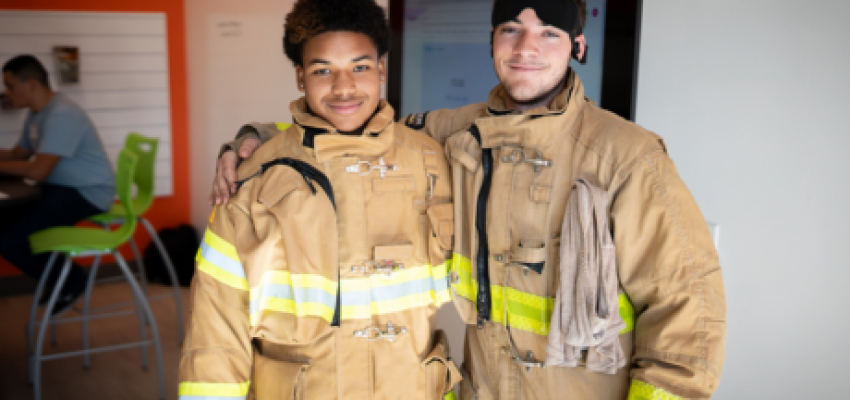
What truly sets this Fire Science Lab apart is its emphasis on hands-on learning. Traditional classroom lectures, while foundational, cannot fully convey the pressure, precision, and physical demands of emergency response. Here, students will engage with authentic equipment, participate in simulated rescue operations, practice medical first aid, and learn about the intricate science of fire behavior. Imagine students donning full firefighting gear, operating hoses in a controlled burn environment, or simulating triage at a multi-casualty incident. This immersive approach not only builds technical proficiency but also fosters critical soft skills such as teamwork, communication under pressure, decisive decision-making, and emotional resilience—attributes that are paramount in life-or-death situations. By providing a safe yet realistic environment for skill development, the lab bridges the gap between theoretical knowledge and practical application, preparing students not just for a job, but for a calling.
### Bridging Education and Industry: Forging Real-World Pathways
The success of any specialized educational program, particularly one as critical as public safety training, hinges on robust collaboration between academic institutions and industry stakeholders. The Linda Vista Innovation Center’s new Fire Science Lab exemplifies this synergy, bringing together educators, local fire departments, emergency medical services, and other community partners. These partnerships are not merely ceremonial; they are foundational to the lab’s curriculum design, operational relevance, and ultimate efficacy in preparing students for successful careers.
Industry partners play a crucial role by providing invaluable insights into current challenges, emerging technologies, and best practices within fire science and emergency response. This input ensures that the training students receive is not only up-to-date but also directly aligned with the competencies and certifications required for entry-level positions and beyond. For instance, representatives from local fire departments might advise on the types of incidents most prevalent in the San Diego area, helping to tailor simulations to local needs. Paramedic agencies could contribute to the development of advanced first aid and trauma care modules, reflecting the latest pre-hospital emergency medical guidelines. This direct channel of communication guarantees that graduates emerge not just with academic knowledge, but with skills immediately applicable in the field.
Beyond curriculum development, these collaborations open vital pathways for students. Internships, mentorship programs, and ride-alongs with seasoned professionals offer students unparalleled real-world exposure. Such experiences allow them to witness firsthand the daily routines, critical decision-making processes, and camaraderie inherent in public service roles. These opportunities are often instrumental in helping students solidify their career aspirations, build professional networks, and gain a competitive edge when entering the job market. Furthermore, many programs like the one housed within this advanced Fire Science Lab also establish direct articulation agreements with community colleges and universities, enabling students to seamlessly transition their high school credits toward associate’s or bachelor’s degrees in fire technology, emergency management, or related fields.
The integration of technology also benefits significantly from industry input. Modern emergency response increasingly relies on sophisticated tools, from drone technology for aerial surveillance of wildfires to advanced thermal imaging cameras for search and rescue operations, and cutting-edge communication systems for incident command. By working alongside industry experts, the lab can ensure its equipment and training methodologies reflect these technological advancements, preparing students to be forward-thinking practitioners capable of leveraging innovation to enhance public safety and efficiency.
### Cultivating Resilience and Community Impact
The investment in a state-of-the-art facility like the Fire Science Lab extends far beyond merely training individuals for jobs. It is an investment in the resilience, safety, and overall well-being of the entire community. Public servants, particularly those in fire and emergency medical services, are often the first on the scene during crises, acting as a crucial line of defense and support. Their effectiveness directly translates to lives saved, property protected, and communities able to recover more swiftly from unforeseen events.
This dedicated training environment does more than impart technical skills; it cultivates essential character traits. Students learn the profound importance of teamwork, where individual actions contribute to a collective mission. They develop critical thinking skills, analyzing complex situations under pressure and making swift, informed decisions. Leadership qualities are honed as students take charge in simulated scenarios, learning to guide and motivate their peers. Perhaps most importantly, the rigorous training instills a deep sense of discipline, responsibility, and emotional resilience – qualities indispensable for coping with the inherent stresses and traumas of emergency work. These attributes are not just beneficial for professional life but also contribute to the development of well-rounded, civically engaged individuals.
Moreover, the economic impact of such a program is substantial. By providing local students with a direct path to high-demand, well-paying careers, the Fire Science Lab contributes significantly to local workforce development. It helps retain talent within the region, bolstering the local economy and ensuring that San Diego County has a robust supply of trained professionals ready to serve. For students, this means access to stable employment opportunities that offer a meaningful career trajectory, often without the immediate need for a four-year college degree, thereby making valuable public service accessible to a broader demographic.
Ultimately, the opening of this specialized training facility is a testament to a broader vision: a commitment to fostering a new generation of dedicated public servants who are not only highly skilled but also deeply committed to the welfare of their communities. It’s about building a stronger, safer future, one student at a time, by empowering them with the knowledge, tools, and experience necessary to answer the call of duty with confidence and competence.
The grand opening of the Fire Science Lab at the Linda Vista Innovation Center is more than just the unveiling of a new educational space; it’s a powerful statement about valuing public service and investing in the future of our communities. It represents a forward-thinking approach to education, one that recognizes the unique demands of emergency response careers and provides the practical, hands-on training essential for success. By forging strong connections between education and industry, this initiative ensures that students are not only inspired but also thoroughly prepared to meet the challenges of these vital roles.
As these young aspiring professionals step into the immersive environment of the lab, they are not just learning fire science; they are learning resilience, leadership, and the profound satisfaction that comes from serving others. André Lacerda believes that such initiatives are crucial for building a future where innovation in education directly translates to a safer, more skilled, and more compassionate society. The sparks ignited today in this state-of-the-art facility will undoubtedly light the way for countless heroes, ensuring that our communities remain well-protected for generations to come.










