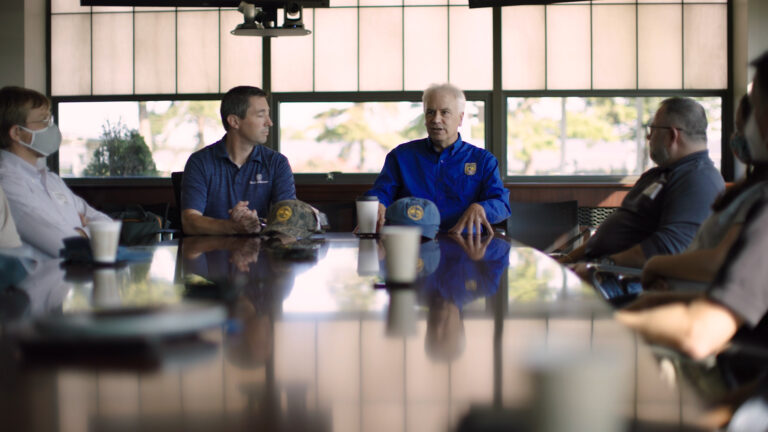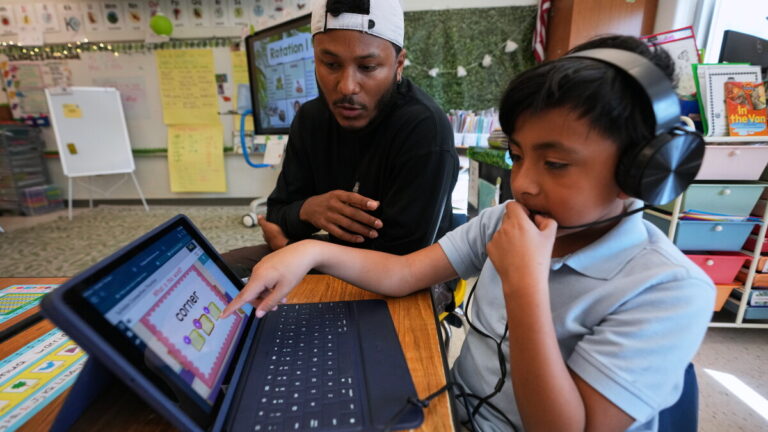

In an increasingly dynamic world, the quest for meaningful work remains a cornerstone of human fulfillment. For generations, dedicated community initiatives and human-centric services have played a vital role in connecting individuals with opportunities that resonate with their skills and interests. Organizations like Tuscarawas County’s Employment Navigation program exemplify this commitment, successfully placing hundreds of residents into roles that provide purpose and contribute to the local economy. Their approach, rooted in understanding individual aspirations and local market needs, underscores a fundamental truth: finding the right fit is crucial for both personal well-being and societal progress.
However, as we stand on the precipice of a new technological era, the landscape of work is undergoing an unprecedented transformation. Artificial intelligence (AI), once a realm of science fiction, is now a tangible force reshaping industries, creating novel career categories, and demanding new paradigms for skill acquisition and job matching. While the essence of connecting people with fulfilling work endures, the tools and methodologies for achieving this are rapidly evolving. This article, penned by André Lacerda, an AI specialist, writer, and tech enthusiast, delves into how AI is not merely a disruptor but a powerful enabler, poised to revolutionize employment services and pave the way for a more personalized and predictive approach to career development, moving beyond traditional methods to embrace the vast potential of **AI-powered employment navigation**.
AI-powered Employment Navigation: Redefining Career Paths
The traditional model of employment services, while effective, often operates within inherent limitations. It relies heavily on human bandwidth, existing job descriptions, and often retrospective data. Enter AI. Imagine a system capable of analyzing not just your resume, but also your digital footprint, your expressed interests across various platforms, your learning style, and even your potential for acquiring new skills. This goes far beyond simple keyword matching, which has been the bedrock of online job boards for decades. Instead, AI brings a nuanced, holistic, and predictive approach to career guidance.
At its core, **AI-powered employment navigation** leverages sophisticated algorithms, machine learning, and natural language processing (NLP) to create highly personalized career pathways. These systems can process vast amounts of data – from global economic trends and emerging technologies to individual behavioral patterns and educational histories. For instance, an AI might analyze an individual’s coursework, side projects, and even contributions to online forums to discern latent interests or untapped aptitudes that a traditional resume might overlook. It can then cross-reference these insights with real-time labor market data, identifying not just currently available jobs, but also predicting future demand for specific skill sets.
Consider the power of personalized learning recommendations. If an AI identifies a gap between an individual’s current skills and the requirements for an emerging role they might be well-suited for, it can suggest hyper-relevant online courses, certifications, or even mentorship opportunities. This isn’t a one-size-fits-all approach; it’s a dynamic, adaptive system that learns and evolves with the user, continuously refining its recommendations as the individual gains new experiences or expresses new interests. Tools incorporating machine learning can assess an individual’s aptitude for specific roles, predict their success rate based on historical data, and even help them prepare for interviews by simulating common questions and providing real-time feedback on their responses. This level of personalized, predictive guidance empowers individuals to proactively shape their careers rather than reactively search for openings.
Furthermore, AI’s ability to analyze complex networks of skills and roles allows it to uncover “hidden” career paths. Someone with a background in customer service, for example, might be identified by an AI as possessing strong emotional intelligence and problem-solving skills, making them a prime candidate for a burgeoning role in AI model training or data annotation – jobs that didn’t exist a decade ago. This semantic understanding of skills, rather than just job titles, is a game-changer for career transitioning and upskilling, making **AI-powered employment navigation** a critical tool for adaptability in a rapidly changing world.
The Evolving Landscape of Work and AI’s Role
The impact of AI on the global job market is profound and multi-faceted. While discussions often center on job displacement, a more comprehensive view reveals AI as a significant creator of new opportunities and a driver of economic growth. According to a 2023 report by the World Economic Forum, AI and automation are expected to create 69 million new jobs globally by 2027, even as they displace 83 million, resulting in a net decrease but a massive shift in the types of roles available. This highlights not just the need for adaptability, but for proactive, intelligent guidance in navigating these shifts.
AI is not just optimizing existing roles; it’s catalyzing entirely new industries and professions. We now see roles like AI Ethicists, Prompt Engineers, Machine Learning Operations (MLOps) specialists, and AI Tutors emerging as critical components of the modern workforce. These jobs require a blend of technical acumen, critical thinking, and often, a deep understanding of human behavior and societal impact. For individuals seeking meaningful work, the challenge is not just finding a job, but understanding where the cutting edge of opportunity lies and how to acquire the requisite skills.
This is where **AI-powered employment navigation** truly shines. It can identify these nascent job markets before they become mainstream, flagging them for individuals whose evolving skill sets align with future demand. For instance, an AI system might detect a surge in demand for augmented reality (AR) developers in the manufacturing sector long before traditional job boards reflect this trend. It could then alert suitable candidates, suggest relevant learning modules, and connect them with companies pioneering AR integration. This foresight is invaluable, transforming individuals from passive job seekers into proactive architects of their professional future.
Moreover, AI is playing a crucial role in enabling the gig economy and remote work, which have become increasingly prevalent. Freelancers and independent contractors often struggle with finding consistent work that matches their specific expertise and desired compensation. AI platforms can act as intelligent agents, matching these individuals with projects that not only fit their skills but also their personal preferences regarding work-life balance, location, and long-term career goals. By streamlining the search and matching process, AI helps individuals thrive in flexible work arrangements, bringing greater autonomy and choice to their professional lives.
Ethical AI and the Human Touch in Career Guidance
While the transformative potential of AI in employment services is undeniable, it is imperative to address the ethical considerations and ensure that technology augments, rather than diminishes, the human experience. Concerns about algorithmic bias, data privacy, and the potential for AI to dehumanize the job search process are valid and must be proactively managed. If an AI system is trained on biased historical data, it could inadvertently perpetuate existing inequalities in hiring, making it harder for certain demographics to access opportunities. This underscores the critical need for transparent, fair, and continuously audited AI models in employment navigation.
Responsible AI development in this domain requires diverse datasets, explainable AI (XAI) capabilities that allow users and administrators to understand how decisions are made, and robust privacy safeguards. The goal should never be to replace human career counselors or mentors, but to empower them with advanced tools. Human advisors possess irreplaceable qualities: empathy, intuition, the ability to understand nuanced personal circumstances, and the capacity for deep emotional support that no algorithm can replicate. **AI-powered employment navigation** should serve as an intelligent assistant, handling data analysis, personalized recommendations, and market trend identification, thereby freeing up human experts to focus on the higher-value aspects of coaching, motivation, and complex problem-solving.
Imagine a scenario where a human employment navigator, much like those at TuscBDD, utilizes an AI system to quickly identify a shortlist of potential career paths and skill development opportunities for a client. The AI provides the data-driven insights, but the human expert provides the vital context, encouragement, and emotional intelligence needed to guide the individual through their decisions. This hybrid approach — where technology handles the complexity of data and prediction, and humans provide the essential elements of trust, understanding, and personal connection — represents the optimal future for employment services. It combines the efficiency and scale of AI with the indispensable wisdom and compassion of human interaction, ensuring that the pursuit of meaningful work remains both highly effective and deeply human.
As we look ahead, the collaboration between AI and human expertise will be paramount. Investing in ethical AI frameworks, continuous monitoring for bias, and prioritizing data security will be critical to building trust in these new systems. The objective is not just to find jobs, but to cultivate a workforce that is resilient, adaptable, and genuinely fulfilled in their chosen paths, irrespective of how rapidly the world of work evolves.
In conclusion, the journey toward meaningful employment, while timeless in its essence, is undergoing a profound metamorphosis driven by artificial intelligence. From highly personalized career recommendations and predictive market insights to facilitating skill development and navigating new job frontiers, **AI-powered employment navigation** is poised to become an indispensable component of modern career guidance. It promises to democratize access to opportunities, empower individuals with unprecedented foresight, and help bridge the gap between human potential and the evolving demands of the global workforce.
However, this transformative shift must be approached with a steadfast commitment to ethical development and a recognition of the irreplaceable human element. The future of employment navigation lies in a synergistic partnership: where AI handles the data’s complexity and predictive power, while human experts provide the empathy, intuition, and personalized support crucial for true personal and professional growth. As we embrace this intelligent future, the goal remains the same – to connect every individual with work that not only sustains them but also ignites their passion and contributes meaningfully to the world around them. The journey is exciting, and with responsible innovation, AI can help us chart a course to a more fulfilling working life for all.